Plate Nº 11 · recorded October 10, 2026
Science Policy & FundingReported finding
After Trump's Reelection, U.S. Scientists Found Jobs in the U.K.
A number of U.S.-based scientists have taken positions at British institutions following Donald Trump's reelection, continuing a trend of researchers seeking stability abroad.
By James Calloway2 min read327 words
In brief
- Donald Trump won the U.S. presidential election in November 2024.
- Some U.S.-based scientists subsequently found jobs in the United Kingdom, NPR reports.
- The reported trend is based on individual cases, not aggregate workforce statistics.
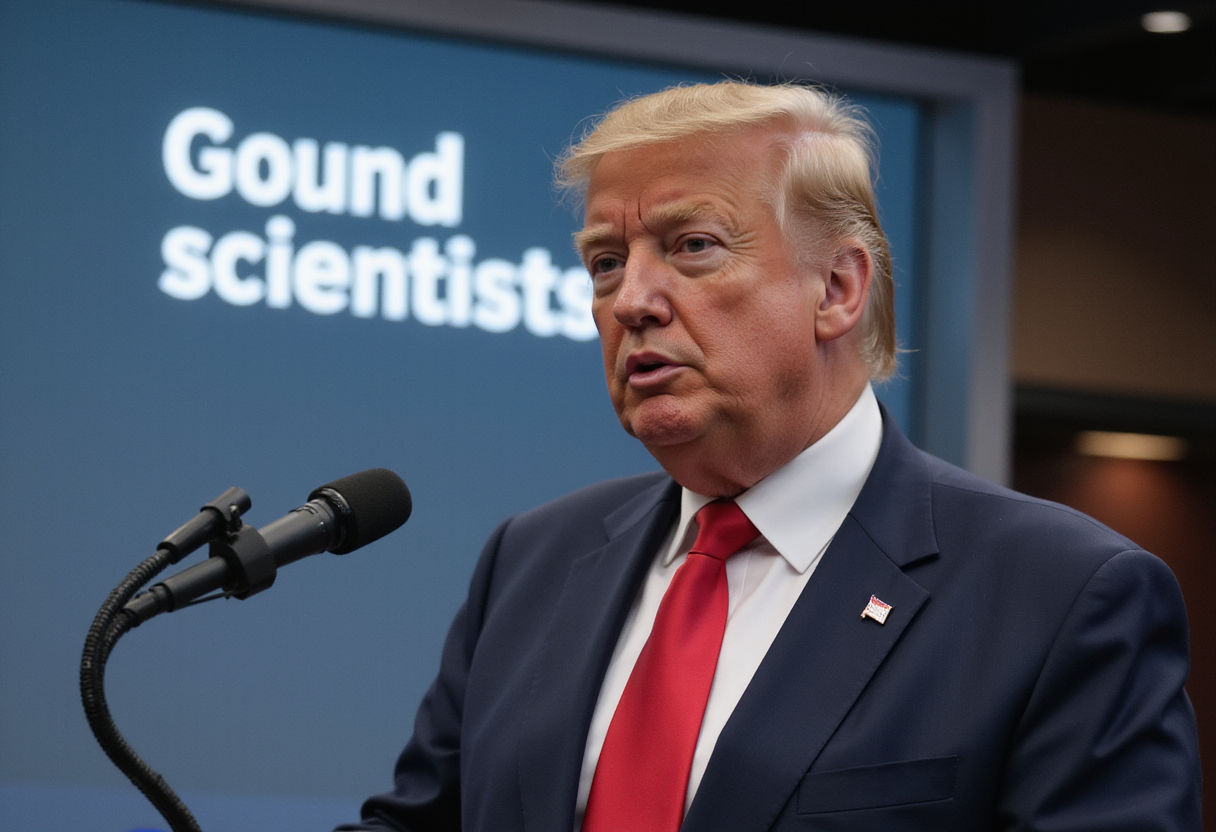
After Donald Trump won reelection in November 2024, a number of U.S.-based scientists began looking for work overseas — and some of them found it in the United Kingdom, according to a report from NPR.
The report highlights individual researchers who decided, after the election result, that their professional futures looked more secure outside the United States. For several of them, the U.K. became the destination of choice.
Why does an election push scientists abroad?
Researchers often depend heavily on federal funding, and scientific agencies in the U.S. have historically been sensitive to shifts in political priorities. When a new administration takes office, scientists working in fields such as climate, health and environmental research can face uncertainty over grants, staffing and the direction of federal agencies.
That uncertainty, NPR reports, is what drove some American scientists to explore openings at universities and research institutions in the U.K., where they felt their work would face fewer political headwinds.
What does this mean for the U.S. research community?
The movement of scientists out of the country, even in modest numbers, raises questions about whether the United States can retain research talent. Individual departures are anecdotal at this stage, and it is too early to say whether they represent the start of a broader brain drain or a limited response to one political moment.
The NPR report focuses on personal career decisions rather than aggregate statistics, so readers should treat the trend described as preliminary and based on a handful of cases rather than a measured shift in the scientific workforce.
What happens next?
Whether more U.S. researchers follow this path will likely depend on how research funding and federal science policy evolve under the new administration. British institutions, for their part, appear willing to receive applications from experienced American scientists.
SciBeat will continue to follow this story as more evidence emerges about the scale and durability of scientist migration between the two countries.
via Google News: Science Funding (Source)
More from James Calloway
Show full bio
Staff writer covering marketplaces and e-commerce at SciBeat.
205 articles
Nearby plates
- US science faces 'brain drain' as top talent looks abroad
- U.S. Science Funding Cuts Could Trigger a Brain Drain, Report Warns
- Survey of NIH-Funded Scientists Points to a Shaky U.S. Research Enterprise
- Scientists Overwhelmingly Oppose Rule Change on Grant Oversight
- NSF Lags in Grant Awards as Trump Again Proposes Deep Science Cuts