Recorded November 23, 2026
Health & Medicine ResearchReported finding
Australian rallies linked to 16–21% drop in recorded sexual assaults
A Curtin-led discussion paper estimates that Australian areas hosting 2021 March 4 Justice rallies saw 16%–21% fewer recorded sexual assaults over 6–12 months, though it has not been peer-reviewed.
By James Calloway4 min read739 words
In brief
- More than 110,000 people joined March 4 Justice rallies across Australia on March 4, 2021.
- Rally areas had 16%–21% fewer recorded sexual assaults than comparison areas over the following 6–12 months.
- The study estimated around 5,300 fewer sexual assaults, including cases never reported to police.
- Standard lifetime-cost estimates put the resulting social saving at about $1.2 billion.
- The 2026 discussion paper has not been peer-reviewed, and attitude effects weakened over time.
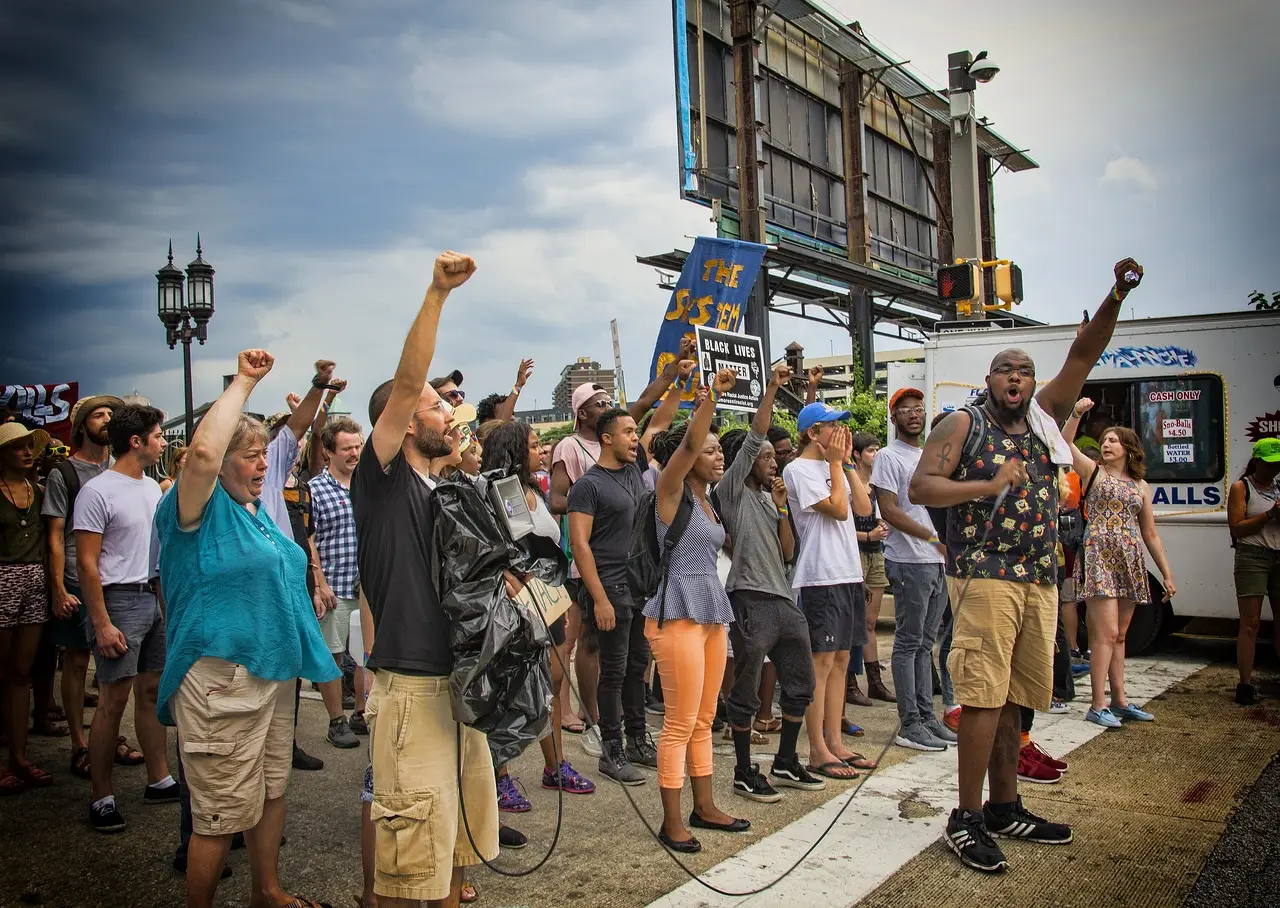
A Curtin University-led study estimates that Australian areas hosting the 2021 March 4 Justice rallies saw 16% to 21% fewer recorded sexual assaults over the following 6 to 12 months than comparison areas. The result comes from a discussion paper that has not yet been peer-reviewed.
More than 110,000 people took to the streets across Australia on March 4, 2021, calling for action on violence against women. The research team examined places that hosted rallies against other areas, looking at recorded assaults and changes in men's attitudes.
Researchers also found shifts in men's attitudes. Men in rally areas were more likely to believe survivors and less likely to hold views that blamed or dismissed them. Those effects weakened over time.
A fading attitude shift does not guarantee a lasting reduction in harm, and the research points toward sustained effort rather than a one-day fix.
How attitude change might fit
The proposed pathway runs through public attention and social attitudes. Protests can make violence against women harder to ignore and influence how people think about it. The finding that men in rally areas were more likely to believe survivors fits that explanation, but it does not by itself show why recorded assaults fell.
That is a plausible mechanism. It is not proof.
Curtin author Professor Astghik Mavisakalyan, chief investigator at the ARC Center of Excellence for the Elimination of Violence Against Women, said: “The findings show public protests can do more than raise awareness—they can influence how people think about violence against women and help drive real change. But these effects aren't guaranteed to last. Changing attitudes and reducing violence require ongoing commitment from governments, communities and individuals, not just a single day of action.”
Her warning sets the study's proper scale. It offers evidence for civic mobilization as one influence, not a complete explanation for why sexual violence occurs or how best to prevent it.
What the evidence leaves unresolved
Peer review means independent specialists check a paper's methods, analysis and claims before a journal publishes it. This discussion paper has not completed that scrutiny.
The Curtin summary gives no confidence interval—a range showing plausible precision—nor sample sizes, tests of whether the pattern could arise by chance, details of the area comparison, or evidence about whether reporting to police changed.
That omission may not erase the pattern, but it limits how confidently readers can state its size. Nor does the summary establish whether changing attitudes caused the decline, rather than merely accompanying it.
What the larger estimates mean
Curtin co-author Dr. Quynh Do, a research fellow at the ARC Center of Excellence for the Elimination of Violence Against Women, said: “In practical terms, our estimates suggest there were around 5,300 fewer sexual assaults, including those that were never reported to police. Based on standard estimates of the lifetime cost to society for each victim, this represents a social saving of about $1.2 billion.”
The 5,300 figure extends beyond police records because it includes assaults that victims never reported. The $1.2 billion applies standard estimates of lifetime cost to society for each victim. It represents estimated savings to society, not a measured reduction in government spending, and the summary gives no uncertainty range for either calculation.
What does this change for violence prevention?
The findings were highlighted as the 16 Days of Activism against Gender-Based Violence campaign began on Nov. 25. For organizers and policymakers, the answer is narrower than a one-event solution.
The evidence supports treating a public rally as one possible component of violence prevention. The researchers found that attitude effects faded, and Mavisakalyan says reducing violence requires continuing commitment from governments, communities and individuals.
A community cannot infer from this study that one rally, followed by silence, will produce a durable reduction. That limit is not a footnote. It is the finding's main warning.
The linked paper, “Can Civic Mobilization Reduce Sexual Violence? Evidence from March 4 Justice Demonstrations in Australia,” is by Quynh Nga Do and colleagues. The listing names the Global Labor Organization (GLO), Essen (2026), and gives the handle hdl.handle.net/10419/344198.
So the defensible conclusion is narrow: the 2021 Australian rallies were linked to lower recorded sexual-assault rates, and changing attitudes may be one route. The size and durability of that effect still require peer review and clearer methodological reporting.
via phys.org/rss-feed/ (Source)
More from James Calloway
Show full bio
Staff writer covering regulation, policy and their impact on general science news at SciBeat.
583 articles
Nearby plates
- Weapons in Partner Violence Deepen Psychological Harm, Study Finds
- Climate action linked to more distress and more hope in young people
- News on Discord and Twitch Linked to Radical Views in Young Europeans
- No Widening Gender Gap in European Values, 400,000-Person Study Finds
- COP31: Women Lose 34% More Income Per Degree of Warming