Plate Nº 92 · recorded November 13, 2026
Health & Medicine ResearchReported finding
Blood Test Spots Small Breast Tumors With 95% Accuracy in Early Study
An experimental blood test detected early breast tumors, some under 2 cm, with 95% accuracy and predicted recurrence at 81% in an early Israeli study published in Nature.
By Elena Vasquez3 min read639 words
In brief
- The test identified early breast cancer with 95% accuracy, including tumors no larger than 2 centimeters.
- Blood patterns predicted cancer recurrence with 81% accuracy.
- Findings were published in Nature in November 2026.
- The study analyzed tumors from 12 women and blood samples from 77 women with breast cancer and 30 without.
- The test's performance was not strongly affected by breast density.
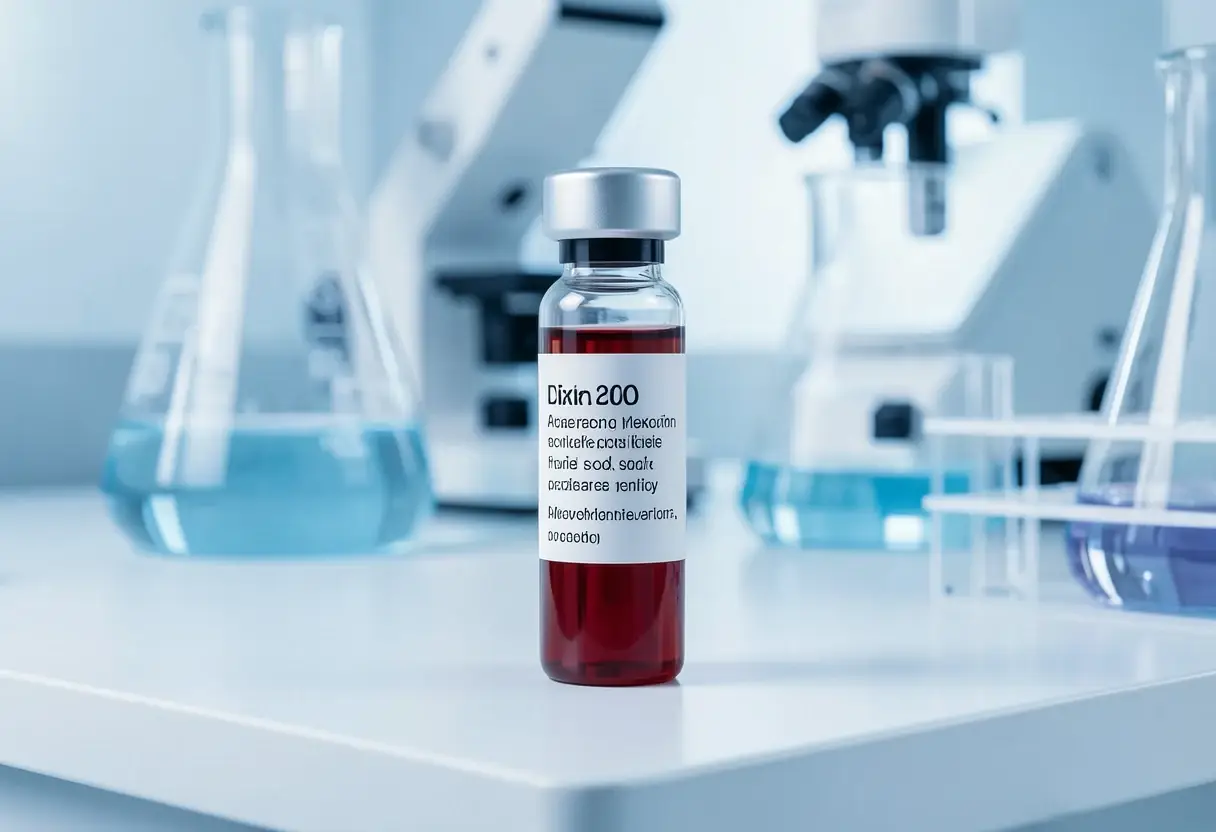
An experimental blood test identified early breast cancer with 95% accuracy in a new study, including tumors no larger than two centimeters. Researchers at the Hebrew University of Jerusalem and the Weizmann Institute of Science led the work, with doctors at Kaplan Medical Center and other hospitals, publishing their findings in Nature in November 2026.
The test also showed a second, potentially life-changing skill: blood patterns helped separate patients whose cancer later returned from those who stayed free of recurrence, with 81% accuracy. That could eventually guide doctors in deciding who needs closer follow-up after treatment.
But the researchers themselves urge caution. The study groups were small and selected, and the test is not ready for routine screening.
How does the test work?
It reads tiny pieces of material that cells release into the blood as they die. These fragments carry chemical marks — modifications that control which genetic instructions a cell actually uses. Every cell carries similar genes, but the marks decide which ones are switched on.
Because those marks reveal how cancer cells behave, the test can pick up cancer signals even when very little cancer material is present in the blood.
That's a key difference from today's standard. Breast cancer is usually found through mammograms, which use X-rays to spot unusual changes in breast tissue. Screening saves lives, but some cancers are hard to see — especially in women with dense breast tissue, where the image gives tumors more places to hide.
A blood test wouldn't need to find a tumor in an image at all. It's a fundamentally different detection route.
What did the researchers actually do?
The team worked in two stages:
- First, they examined tumors removed from 12 women to map the chemical marks that control gene use.
- Second, they studied blood samples from 77 women with breast cancer and 30 women without it, then used computer models to classify the samples.
Those models flagged early breast cancer at 95% accuracy, catching tumors measuring no more than two centimeters — small enough that mammograms sometimes miss them.
The researchers also checked a larger collection of patient samples. The test performed across different breast cancer types, and breast density did not strongly affect the results. That last point matters, because dense tissue is one of mammography's biggest blind spots.
Why does the recurrence finding matter?
Inside tumors that doctors label relatively low risk, the team found signs of unusually aggressive cancer cells. Standard assessments can overlook them.
Blood patterns tied to those aggressive cells predicted which patients would later see their cancer return — the 81% accuracy figure. If that holds up in larger studies, the test could help spare low-risk patients from overtreatment while flagging others for tighter monitoring.
That's the hope. It is not yet the evidence.
Is the test ready for doctors to use?
No. The study has real limitations, and the researchers say so plainly.
The patient groups were limited in size, and the samples came from selected groups — not from large populations of healthy people. That means the study can't show how often the test would miss cancer or raise false alarms when deployed at scale. Those numbers, from independent studies, must come first.
For now, mammograms and established medical advice remain essential. If you're due for screening, keep the appointment.
The blood test is a promising research direction, not a product. It points toward a future where a simple draw could complement mammography — especially for women with dense breasts — and where survivors could learn their recurrence risk from a vial rather than guesswork. Getting there will take years of further trials.
The takeaway: a blood test spotted small breast tumors at 95% accuracy and predicted recurrence at 81% in early Israeli research — encouraging numbers that still need large, independent confirmation.
via knowridge.com (Source)
More from Elena Vasquez
Show full bio
Correspondent covering money, funding and market shifts around general science news at SciBeat.
411 articles
Nearby plates
- Breast cancer screening overdiagnosis may be far lower than long feared
- 31 Blood Markers May Flag Lung Cancer Risk a Decade Early
- Blood Test Finds Cancer Targets in 46% of Metastatic Patients
- Urine RNA test detects bladder cancer with 95% accuracy in 683-sample study
- Personalized Guidance Helps Families Act on Cancer Risk Genes