Recorded November 27, 2026
Earth & ClimateReported finding
Brazil Has Lost Up to 75 Days of Rainy Season Since 1993
Brazil's rainy season has shrunk by up to 75 days since 1993, and 82% of soy areas exporting to China now see more days above 35°C, a new study finds.
By James Calloway3 min read638 words
In brief
- Rainy seasons have shortened by up to 75 days in parts of the Amazon since 1993.
- 82% of soybean areas in municipalities exporting to China face more days above 35°C.
- About 1.4 million hectares of soy and pasture land face overlapping climate pressures.
- The study analyzed climate trends from 1993 to 2023 across the Amazon and Cerrado.
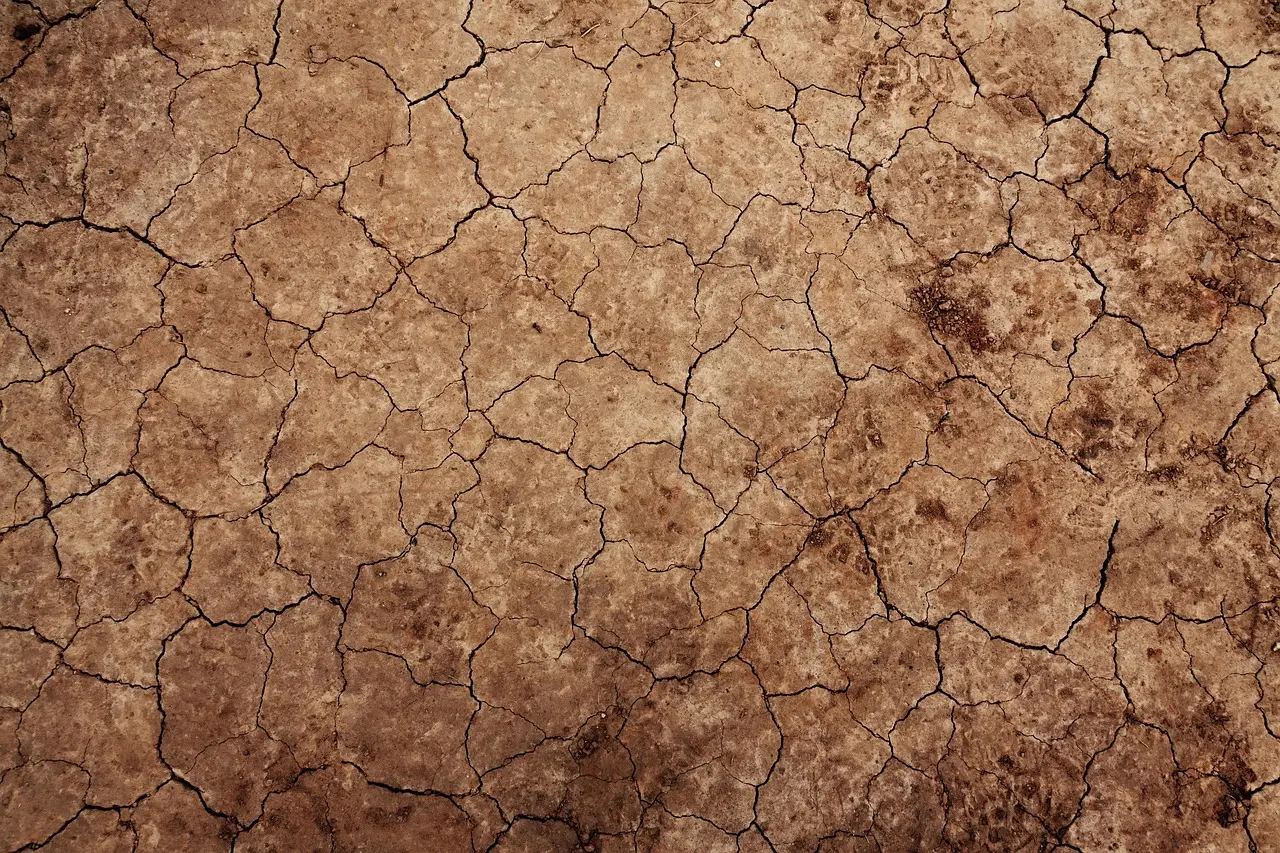
Parts of Brazil have lost up to 75 days of rainy season over the past three decades, according to a new study that maps climate stress across millions of hectares of farmland. In parts of the Cerrado, the rainy season has shortened by 45 days since 1993. That's not a projection. It's a measured trend.
The research, led by the World Resources Institute Brasil and co-authored by John Loomis of The University of Manchester's Global Development Institute, analyzed climate trends between 1993 and 2023 across the Amazon and Cerrado regions. The study is published by the World Resources Institute, under the lead authorship of Ana Beatriz dos Santos and colleagues.
The numbers deserve attention, but so does the fine print. The researchers describe an association between the loss of native vegetation and changing climate conditions — not a simple one-cause chain. Forests and other natural landscapes cool the land and return moisture to the atmosphere. Remove them, the argument goes, and rainfall and temperature shift. That mechanism is well established in broad terms, though the study stops short of full attribution.
How bad is it on the ground?
Bad, and getting measurable. The key findings:
- Rainy seasons have shortened by up to 75 days in parts of the Amazon and 45 days in parts of the Cerrado since 1993.
- 82% of soybean-growing areas and 62.9% of pasture areas in Brazilian municipalities exporting to China are seeing more frequent days above 35°C (95°F).
- Around 1.4 million hectares (3.5 million acres) of soybean and pasture land face overlapping climate pressures, especially in the Cerrado and the southern Amazon.
Why does a shorter rainy season matter so much? Brazilian agriculture depends heavily on rainfall rather than irrigation. Squeeze the wet window and you squeeze the time farmers have to plant and grow crops. Extreme heat, meanwhile, can damage soybean plants, drive up demand for water and shade, and cut the availability of pasture for cattle.
What does this change for global food supply?
Quite a lot, potentially. China is a major buyer of Brazilian soy and beef, and the researchers mapped their climate trends against agricultural areas in the municipalities that export these commodities. Brazilian soy feeds animals worldwide; Brazilian beef supplies international food markets. Disruption to production could ripple into food prices, agricultural businesses, and supply chains far beyond South America.
The researchers mapped vulnerability, it's worth noting — not guaranteed collapse. Where production breaks first, and how badly, depends on farming choices, market responses, and weather the study cannot predict.
Loomis put it plainly: "Brazil's natural landscapes play an important role in maintaining the rainfall and temperatures that agriculture depends on. Our findings highlight how changes across the Amazon and Cerrado are associated with increasingly challenging conditions for food production."
Note the hedging in that second sentence. It is the careful wording of a researcher, and it should temper anyone tempted to read the study as a forecast of doom.
What can actually be done?
The study suggests a practical use for its maps: businesses, investors, and governments could identify vulnerable production areas and direct support toward more resilient farming. The measures on the table include:
- Protecting and restoring native vegetation.
- Improving monitoring of agricultural supply chains.
- Investing in reliable water access, shade for livestock, and pasture recovery.
The researchers also argue for stronger cooperation between Brazil and China, including better environmental data-sharing and investment in sustainable agricultural production, to safeguard the long-term reliability of supplies.
Those are recommendations, not commitments. The study itself doesn't say who will pay, or when.
The full paper, "Safeguarding Brazilian soy and beef supply chains: vegetation loss, climate risks, and implications for trade with China," appears in a World Resources Institute publication (2026), DOI: 10.46830/wriwp.25.00172.
via phys.org/rss-feed/ (Source)
More from James Calloway
Show full bio
Staff writer covering regulation, policy and their impact on general science news at SciBeat.
625 articles
Nearby plates
- Severe droughts could push a quarter of cactus species toward critical decline
- Protecting Standing Amazon Forests Beats Restoration, Study Finds
- Smoke Over Manaus: Record El Niño Puts the Amazon on a Collision Course
- Hot Droughts Triple Extreme Downpour Frequency, Study Finds
- Antarctica's Winter Clouds Helped Push Earth to Its Hottest Day