Plate Nº 84 · recorded October 10, 2026
Health & Medicine ResearchReported finding
CBL-514 Injection Eliminates Fat Cells, Phase 2 Trial Shows
CBL-514 injection killed fat cells on demand in phase 2 trials, with 69.6% of treated participants losing at least 150 mL of belly fat versus none on placebo.
By Elena Vasquez3 min read664 words
In brief
- 69.6% of CBL-514 recipients lost at least 150 mL of subcutaneous fat at 8 weeks vs 0% on placebo
- Visceral fat fell 12.01% in the CBL-514 group vs rising 5.68% in placebo at 4 weeks post-treatment
- Two phase 3 trials are now recruiting; first results expected by the end of 2026
- CBL-514 was developed by Caliway Biopharmaceuticals of New Taipei City, Taiwan
- In rats, adding CBL-514 to tirzepatide limited weight regain after the GLP-1 drug was stopped
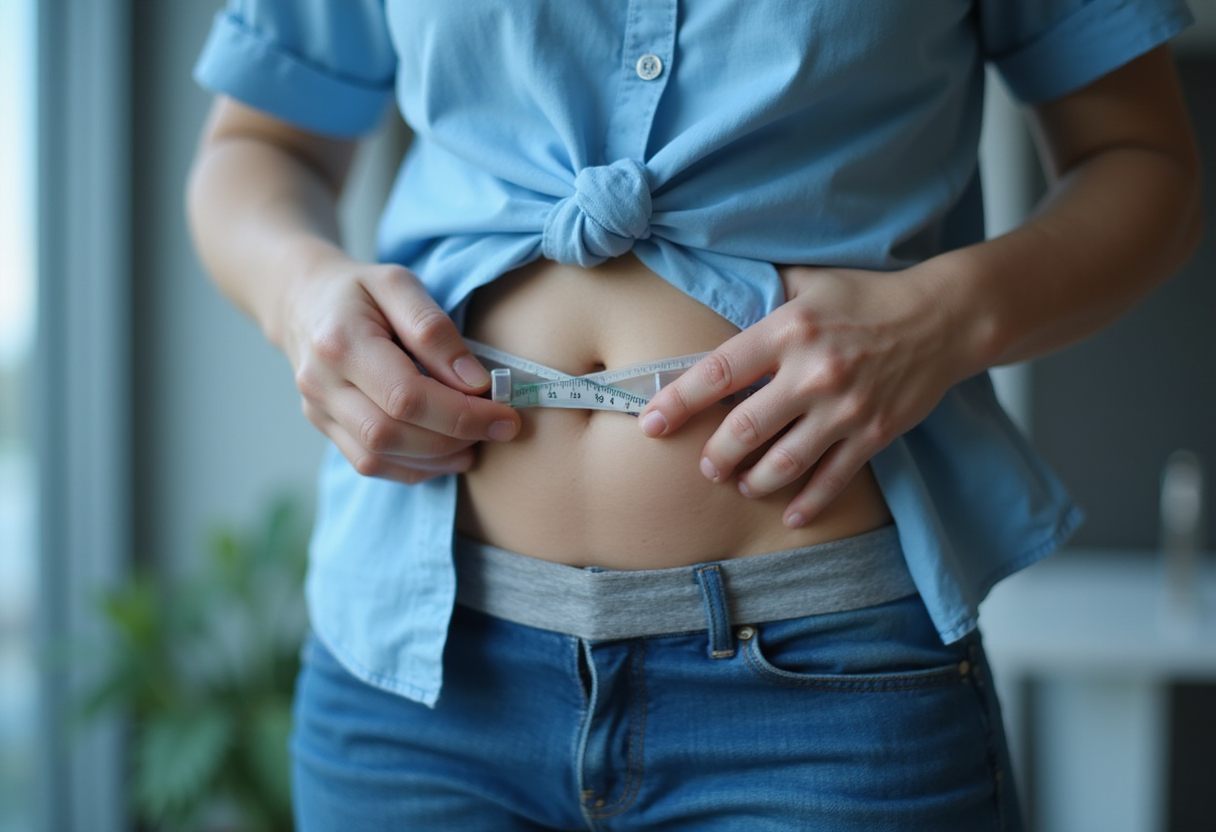
Nearly seven out of ten people treated with a new injection called CBL-514 shed at least 150 mL of belly fat in eight weeks, according to phase 2 clinical trial results set for presentation at the European Association for the Study of Diabetes (EASD) meeting in Milan (Sept. 28–Oct. 2). None of the placebo recipients matched that threshold.
The drug, developed by Caliway Biopharmaceuticals of New Taipei City, Taiwan, forces fat cells to self-destruct through a process called apoptosis, while leaving other cells untouched. Researchers believe it could also help patients sustain weight loss after stopping GLP-1 receptor agonist drugs such as tirzepatide.
What did the phase 2 trials show?
In two studies called CBL-0204 and CBL-0205, 69.6% of participants who received CBL-514 achieved at least a 150 mL reduction in subcutaneous fat—the pinchable layer just beneath the skin. Zero percent of placebo recipients hit that mark.
The trial enrolled 40 adults with body-mass index (BMI) scores between 22 and 30 (median ages roughly 36 to 42). Researchers injected up to 600 mg of CBL-514 (n=23) or placebo (n=17) into the lower abdomen every three weeks for up to 12 weeks. Injections tapered as fat thickness shrank.
Does it also reduce visceral fat?
A new analysis zeroes in on visceral adipose tissue (VAT)—the deeper fat wrapped around internal organs. Visceral fat drives insulin resistance, type 2 diabetes and cardiovascular disease.
Researchers used MRI scans from a subset of trial participants. At baseline, VAT volume was similar in both groups: 563.85 mL for CBL-514 and 659.81 mL for placebo on average.
Four weeks after the final injection, the CBL-514 group's VAT had dropped 12.01% from baseline, while the placebo group's rose 5.68%. The 17.69-percentage-point gap between groups was statistically meaningful.
At the later follow-up—eight to 12 weeks after treatment—VAT in the CBL-514 group sat 10.45% below baseline; the placebo group's had climbed 11.76%. That produced a 22.21-percentage-point difference.
What about combining it with GLP-1 drugs?
GLP-1 receptor agonists like tirzepatide drive powerful weight loss, but many patients regain pounds when they stop. In rat studies, CBL-514 added to tirzepatide produced greater weight loss—and animals regained less weight after tirzepatide was withdrawn.
The proposed mechanism: killing fat cells shrinks the body's capacity to store fat, slowing future regain.
Is it safe?
CBL-514 was generally well tolerated. Most side effects were mild to moderate injection-site reactions—pain, swelling, and redness—that resolved on their own. No serious adverse events were reported in the analyzed data set.
How does it compare to cosmetic surgery?
CBL-514 differs from liposuction and tummy tucks in a key way: it targets visceral fat, too. Those procedures address only the subcutaneous layer and require going under the knife.
What's next?
Recruitment has begun for the first of two phase 3 randomized placebo-controlled trials. They will test CBL-514 for nonsurgical abdominal fat reduction, with first results expected by the end of next year.
Dr. W. Timothy Garvey of the University of Alabama at Birmingham, who is presenting the work, called the approach "highly innovative" with "remarkable results in early human trials."
Garvey added: "We expect that patients will be pleased by the cosmetic effects, such as the flatter stomach that can come with subcutaneous fat loss. But it is the reduction in body weight, loss of visceral fat and the improvements in blood pressure, cholesterol and the like that should be associated with this that will be important for health."
Important caveats remain. The human data come from small phase 2 trials, and the weight-regain hypothesis is supported only by animal studies so far. Garvey stressed that research is still needed to confirm whether CBL-514 truly helps people keep weight off long after their last injection.
via Medical Xpress (Source)
More from Elena Vasquez
Nearby plates
- Amylin Drug Petrelintide Delivers Over 10% Weight Loss
- Cleveland Clinic Examines What Happens After GLP-1 Discontinuation
- Phase 2 trial tests apitegromab to protect muscle during tirzepatide weight loss
- Semaglutide and Tirzepatide: Heart Outcomes Compared in Real-World Study
- Experimental Drug Combo Cuts Body Weight by Up to 23.3% in Diabetes Trial