Plate Nº 34 · recorded October 3, 2026
Health & Medicine ResearchReported finding
Climate Change Is Harming Indigenous Children Worldwide, 53-Study Review Finds
A first-of-its-kind review of 53 studies finds climate change is already harming Indigenous children's health — from malnutrition and infection to grief, anxiety and loss of cultural connection.
By James Calloway4 min read806 words
In brief
- Researchers from The Kids Research Institute Australia, UWA and Flinders University reviewed 53 studies worldwide, publishing the first global synthesis on climate change and Indigenous children's health in Globalization and Health.
- The strongest and most consistent finding linked climate-related environmental change to disrupted psychosocial and cultural well-being, including stress, anxiety, depression, trauma and grief.
- Almost half of the reviewed studies did not report findings specifically for Indigenous children, and existing evidence was concentrated in a few countries and communities.
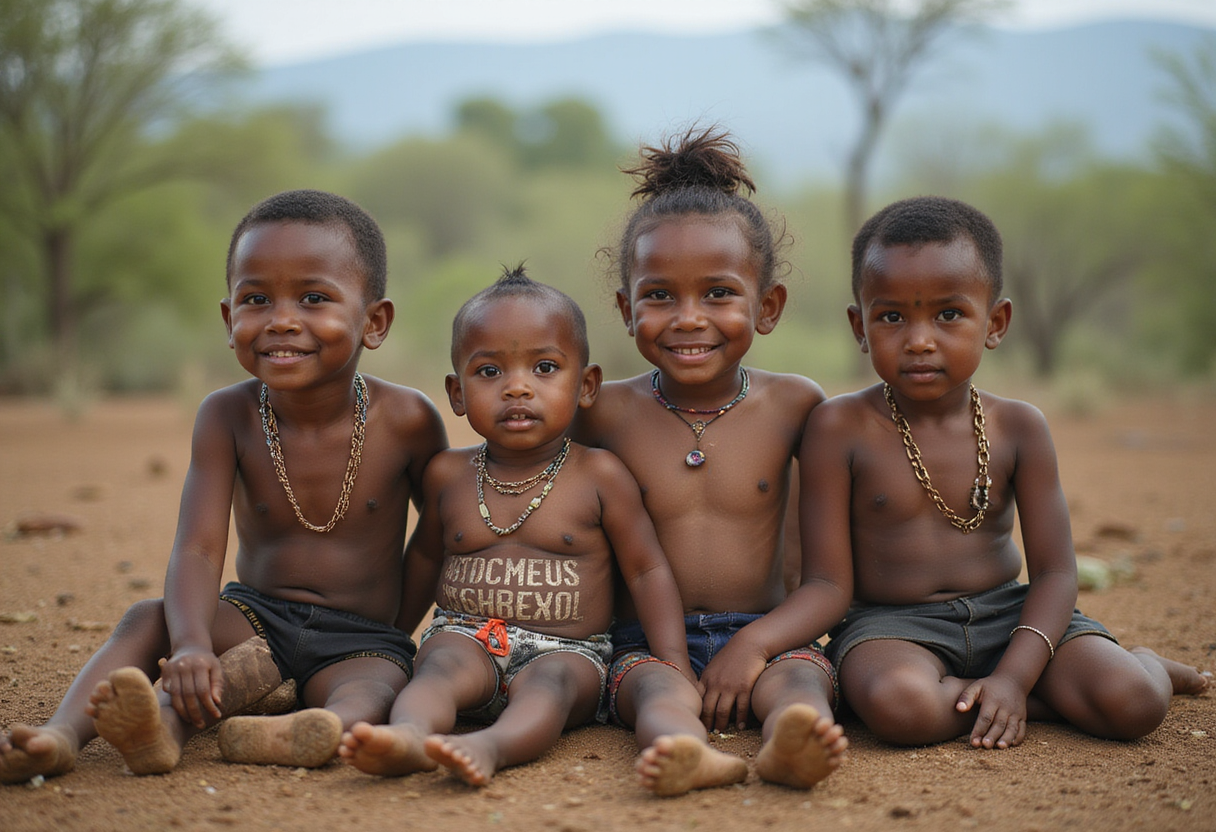
Indigenous children on every inhabited continent are already feeling the health effects of climate change, according to a new review of 53 studies from around the world. The impacts range from malnutrition and infectious diseases to anxiety, grief and disrupted cultural identity — and in some cases, problems that begin before birth.
Researchers at The Kids Research Institute Australia, The University of Western Australia and Flinders University conducted the review, published in the journal Globalization and Health. They describe it as the first study to pull together global evidence on how climate change affects the health and well-being of Indigenous children specifically.
Lead author Jaime Turnbull, of The Kids Research Institute Australia, said the findings show climate change is both an environmental issue and a child health issue, with Indigenous children facing distinct and overlapping vulnerabilities.
"Importantly, these impacts do not occur in isolation," Turnbull said. "Climate change affects Indigenous children's relationships with Country, culture, family and community, which are fundamental to their health and well-being."
What the studies showed
The team sorted the evidence into six major climate-related exposures: heat stress; changing seasonal and oceanic patterns; hydroclimatic variability, meaning swings between floods and droughts; air pollution; climate-related disasters; and other climate-related environmental risks.
Those exposures connected to five main health outcomes: psychosocial and cultural well-being, malnutrition, infectious diseases, perinatal health (the period just before and after birth), and overall illness and death.
The clearest and most consistent finding concerned mental and cultural well-being. Across the studies, environmental changes weakened children's connections to land, cultural identity, language, traditional knowledge and cultural practices. Those disruptions went hand in hand with stress, anxiety, depression, trauma and grief.
In other words, when a warming world alters the land and water around a community, it can also chip away at the relationships and routines that hold that community together — a mechanism that standard health metrics often miss.
Co-author Aunty Dr. Mara West, a Yamatji elder at The Kids, said the findings reinforce the need to understand Indigenous health holistically.
"For Indigenous communities, health is deeply connected to culture, Country, family and community," West said. "When climate change affects the environment, it can also affect the cultural practices and relationships that help keep children strong and healthy."
"The findings underscore why Indigenous knowledges and Indigenous leadership must be central to climate responses," she said.
Children as part of the solution
The researchers caution against framing Indigenous children only as victims of climate change. Young people, they argue, should also be recognized as contributors to solutions.
The review found that meaningful involvement of younger generations in Indigenous-led climate action can strengthen cultural identity, self-determination, the transfer of knowledge between generations, and community resilience — the capacity of a community to absorb and recover from shocks.
"Better outcomes start with Indigenous-led, child-centered action," West said. "Indigenous children and young people have an important role to play in shaping climate responses. Supporting their participation helps strengthen resilience today and for future generations."
Gaps in the evidence
Despite growing global concern about climate-related health harms, the review revealed a thin and patchy evidence base. Co-authors Peter Le Souëf, a professor of pediatrics at UWA, and Corey Bradshaw, a professor of ecology at Flinders University, noted that Indigenous children remain underrepresented in climate-health research. Almost half of the 53 studies did not report findings specifically for Indigenous children, and the existing evidence clustered in a handful of countries and communities.
That concentration matters. Findings from a few well-studied regions may not apply elsewhere, and communities facing the sharpest climate risks may be the ones researchers have studied least.
Co-author Dr. Melinda Judge, of The Kids and UWA's Department of Mathematics and Statistics, said closing these gaps will require more geographically diverse research that involves Indigenous youth in a meaningful way. Such research, she said, could support climate action that strengthens cultural identity, self-determination, knowledge sharing and community resilience.
Turnbull added that both research and policy need to reflect the realities, priorities and strengths of Indigenous children, families and communities.
"Recognizing Indigenous peoples' sovereignty, knowledges and lived experiences, and ensuring Indigenous communities genuinely lead and shape solutions, are essential if we are to achieve equitable and effective outcomes for children and families," Turnbull said.
The bottom line
The review is a synthesis of existing studies rather than new field data, so it cannot by itself establish cause and effect, and its picture is incomplete where research is sparse. Still, the pattern across 53 studies from diverse settings is consistent: climate pressures are already reaching Indigenous children, through their bodies, their food and water, and their cultural lives.
The study appears in Globalization and Health (DOI: 10.1186/s12992-026-01235-7), authored by Jaime J. Turnbull and colleagues.
via Medical Xpress (Source)
More from James Calloway
Nearby plates
- Climate Change Is Already Harming Skin Health, Global Study Finds
- For Older Adults, Disaster Risk Builds Long Before the Storm
- Weapons in Partner Violence Deepen Psychological Harm, Study Finds
- Climate Change and Mosquitoes: Why Malaria Falls While Dengue Climbs
- Tracking 4,581 Animals Reveals a Hidden Human Effect on Wildlife