Plate Nº 56 · recorded October 10, 2026
Science Policy & FundingReported finding
Congress Set to Lock In Science Budgets, Rejecting Trump-Era Cuts
Congress is moving to finalize federal science budgets that reject steep cuts proposed earlier in the process, according to the American Institute of Physics. Specific funding details remain unpublished.
By Nathan Brooks3 min read517 words
In brief
- The federal fiscal year runs from October 1 through September 30.
- Congress uses 12 appropriations subcommittees to draft federal spending bills.
- The National Science Foundation, the Department of Energy Office of Science, and NASA are the principal science agencies funded through annual appropriations.
- Continuing resolutions have become common in recent budget cycles when individual spending bills stall.
- The American Institute of Physics is a federation of physical-science societies that monitors federal science policy.
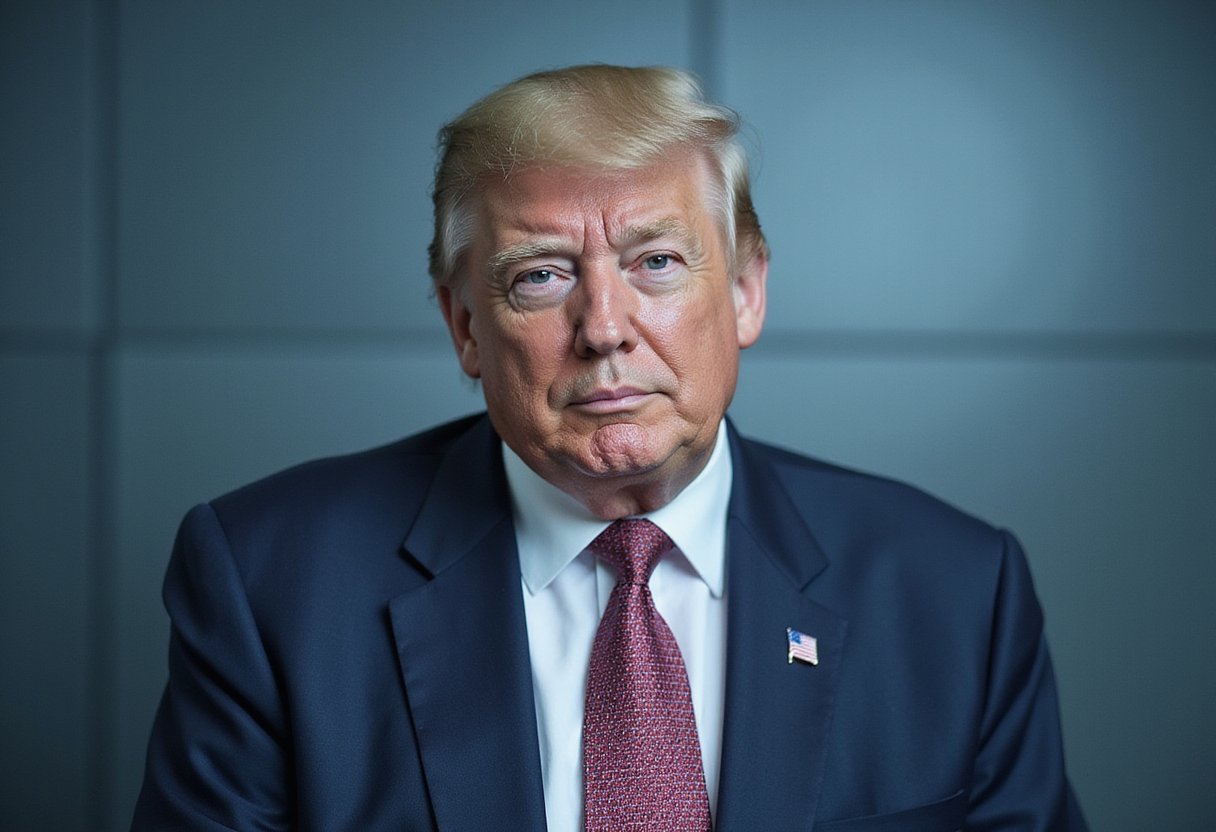
Congress is preparing to finalize federal science budgets that reject a slate of steep cuts proposed earlier in the process, according to the American Institute of Physics (AIP).
The headline from AIP, a federation of physical-science societies that tracks federal research policy, signals that the final appropriations packages preserve funding for major research agencies. Specific dollar figures and agency-by-agency allocations are not detailed in the AIP summary; the organization typically publishes line-item funding tables once Congress releases the final bill text.
Which agencies are affected?
Researchers depend on a small set of federal agencies for most of their grants, instruments, and lab operations. The agencies funded through the science portions of the appropriations process include:
- The National Science Foundation (NSF)
- The Department of Energy Office of Science
- NASA
- The National Institute of Standards and Technology (NIST)
- The research arm of the National Institutes of Health (NIH)
If the budgets are approved as AIP indicates, grant programs at these agencies will continue without the disruption that deep reductions would have caused. Research universities, national laboratories, and individual investigators rely on these agencies for the bulk of their federal support, and many multi-year grants depend on stable yearly appropriations.
How does the budget process work?
The federal fiscal year runs from October 1 through September 30. Each spring, the president's budget request kicks off the appropriations cycle. Congress divides spending decisions among 12 subcommittees, each drafting bills that fund a cluster of agencies through the House and Senate Appropriations Committees.
When the White House proposes significant cuts to research, lawmakers often adjust the request — sometimes matching it, sometimes exceeding it. Bipartisan support for science funding has historically protected agencies with broad economic footprints, particularly those that fund research in nearly every U.S. state.
What remains unclear?
AIP's report points to a directional outcome but leaves several practical questions unanswered. A full read of the appropriations text will be needed to confirm:
- Total dollar amounts for each science agency
- Whether any policy riders are attached to the bills
- The schedule for final House and Senate floor votes
- The specific programs that would have been eliminated or reduced
Continuing resolutions, which act as temporary extensions of the prior year's funding, remain common. The path from committee approval to final law can still take weeks or months, particularly in a divided Congress.
Why does this matter for research?
Federal dollars fund particle physics at DOE national labs, telescope missions at NASA, climate and weather research at NOAA, and the grant cycles that keep university science departments staffed. Cuts on the scale initially proposed would have forced laboratories to lay off staff, slowed construction of new instruments, and reduced new research grants.
Preserving current funding levels keeps those programs operating at planned capacity. Researchers with multi-year grant commitments will continue to draw on those awards without renegotiation, and early-career scientists whose grants depend on annual appropriations would avoid the funding gaps that have plagued previous budget cycles.
AIP is expected to publish detailed funding tables once Congress releases the final appropriations text.
via Google News: Science Funding (Source)
More from Nathan Brooks
Nearby plates
- FY2027 Budget Request Proposes Billions in Science Funding Cuts
- Congress Pushes Back on Trump's Proposed Science Budget Cuts
- Trump Administration Finds New Ways to Withhold Federal Science Funding
- Congress Poised to Reject Trump's Major Cuts to NSF, NASA, DOE Science
- NSF Lags in Grant Awards as Trump Again Proposes Deep Science Cuts