Plate Nº 39 · recorded September 29, 2026
Neuroscience & MindReported finding
Cooler Brain Tissue After Death May Boost Neuroscience Research
Imperial College London researchers suggest that promptly cooling donated brain tissue after death could preserve molecular data and improve neuroscience studies.
By Marcus Bennett3 min read586 words
In brief
- Imperial College London researchers say cooler storage of brain tissue after death could improve research quality.
- Post-mortem brain tissue degrades quickly at higher temperatures, degrading proteins and gene-activity data.
- The improvement relies on handling protocols and cold-chain coordination rather than new technology.
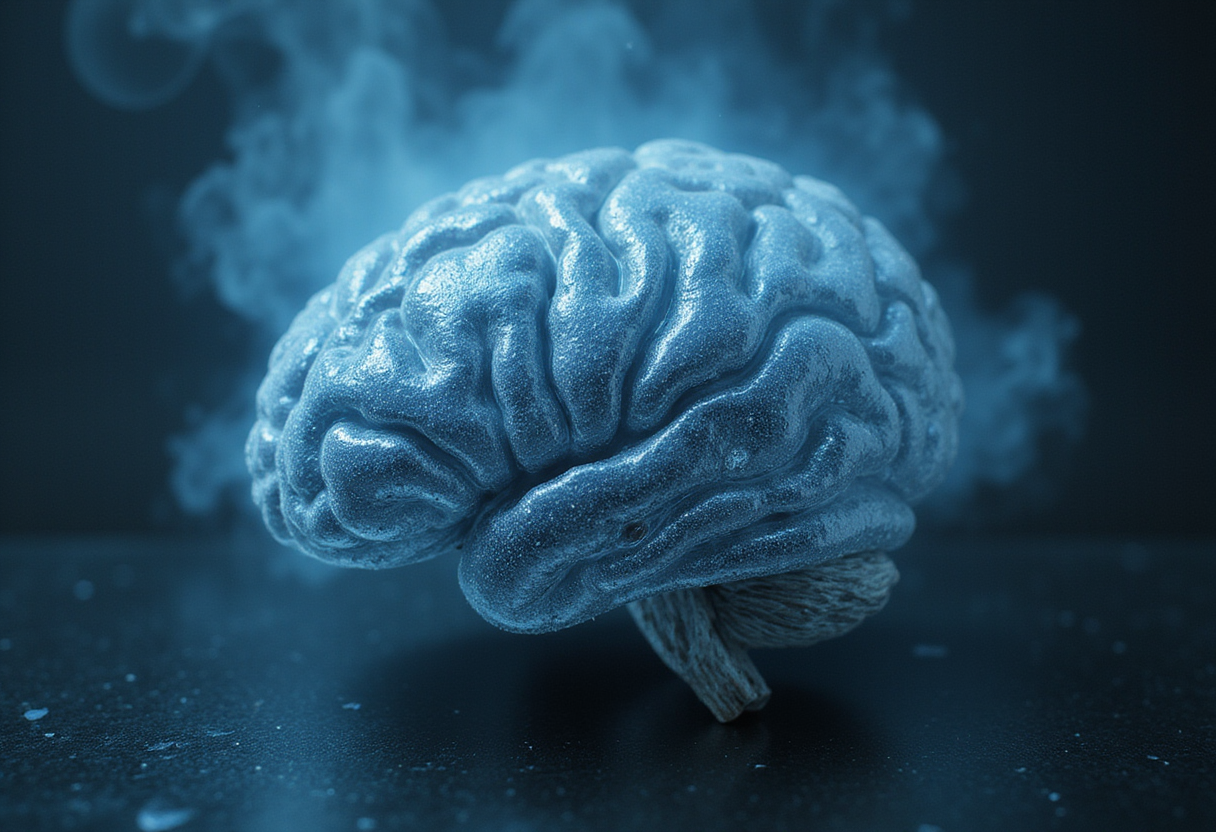
Keeping human brain tissue cooler in the hours after death could materially improve the quality of samples available for neuroscience research, according to researchers at Imperial College London.
The proposal sounds simple, but its implications are significant. Much of what scientists know about the human brain — how its cells behave, how diseases such as Alzheimer's and Parkinson's develop, and how potential drugs act on human tissue — comes from experiments on brain samples donated after death. Those experiments are only as good as the tissue itself.
Here lies the problem. Once a person dies, brain cells begin to change. Proteins degrade, genes switch off or break down, and the delicate molecular machinery that researchers want to study starts to fall apart. The warmer the tissue stays, the faster these changes unfold. A sample that sits at room temperature for hours can lose much of the biological information it carried in life.
The Imperial College London team's message is that temperature matters more than many tissue-handling routines currently reflect. By cooling brain tissue promptly after death and keeping it cool until it reaches the laboratory, researchers could slow that molecular decay substantially. Cold does not stop degradation entirely, but it presses pause on many of the chemical reactions that destroy useful data.
Why this matters for research
Neuroscience depends heavily on post-mortem tissue because living human brains cannot usually be biopsied for research. That makes every donated sample precious. When tissue quality is poor, experiments produce noisy or misleading results, and scientists may need more samples to reach reliable conclusions — or abandon a line of inquiry altogether.
Better-preserved tissue offers several practical gains. Measurements of gene activity, which show which genes were switched on in specific cells, become more trustworthy. Studies of protein levels and cellular structures reflect the living brain more closely. Researchers studying psychiatric and neurological conditions could draw firmer conclusions from fewer donations.
For families who consent to donation on a loved one's behalf, the stakes are personal. A donation that yields high-quality tissue honors that gift with genuinely useful science.
A change in practice, not new technology
Notably, the improvement the researchers describe does not require new instruments or expensive equipment. It requires coordination: cooling tissue quickly, maintaining the cold chain during transport, and ensuring that everyone involved — from hospital staff to brain banks to couriers — follows the same procedure.
That kind of logistical change is often harder to implement than a technical one. Different institutions may follow different protocols, and the window between death and tissue collection varies depending on circumstances that researchers cannot fully control. The study's findings are preliminary in the sense that translating them into widespread practice will require updated guidelines and adoption across many sites.
The caveats
Some limitations deserve attention. Cooling slows decay but cannot reverse damage that occurs in the interval before refrigeration begins. Very low temperatures can also introduce their own artefacts, so the goal is careful temperature management rather than simply freezing everything. And findings about how tissue quality affects downstream measurements will need to be validated across different laboratories and experimental methods before new standards become universal.
Still, the core conclusion is practical and encouraging. A modest change in how we handle donated brain tissue — keeping it colder, sooner — could stretch the value of every donation and sharpen the picture scientists can build of the human brain in health and disease.
For a field that depends entirely on donated tissue, that is a meaningful gain.
via Google News: Neuroscience (Source)
More from Marcus Bennett
Nearby plates
- New Roadmap Aims to Make Brain Resilience Research More Inclusive
- Scientists Create Mice with Part-Human Brains
- Anti-Aging Drug Boosts Brain Blood Flow in People at Higher Alzheimer's Risk
- Brain Structure Changes May Signal Alzheimer's Years Before Plaques
- Pink Noise Bursts May Boost the Brain's Nightly Wash Cycle