Plate Nº 20 · recorded November 17, 2026
Health & Medicine ResearchReported finding
Earlier Bedtime Linked to More Weight Loss in Prediabetes
In an eight-week NYU trial of 196 adults with prediabetes, an hour-earlier bedtime linked with 1.3 pounds of extra weight loss, though neither program changed glucose.
By Nathan Brooks3 min read645 words
In brief
- An eight-week NYU trial enrolled 196 adults aged 21 to 64 with prediabetes who slept under 6.5 hours.
- Two randomly assigned arms compared a lifestyle program with the same program plus sleep coaching.
- Falling asleep one hour earlier was associated with 1.3 pounds (0.6 kg) of additional weight loss.
- The bedtime-weight association remained after researchers accounted for sleep duration.
- Both groups lost weight and improved sleep, but neither changed glucose levels over eight weeks.
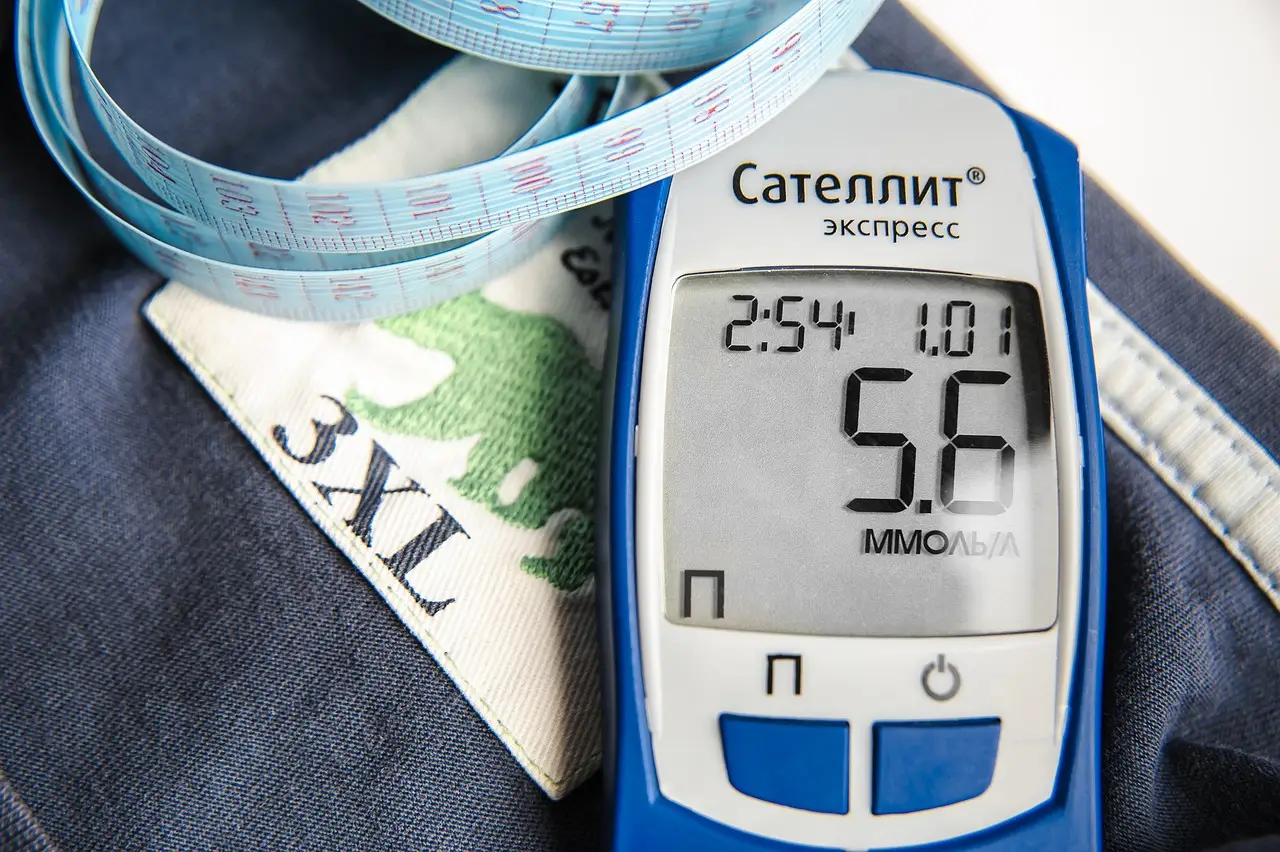
Falling asleep one hour earlier was associated with 1.3 pounds (0.6 kilograms) of additional weight loss over eight weeks among adults with prediabetes, an NYU trial found. Prediabetes means blood sugar is higher than usual but below the range used to diagnose diabetes. That average does not predict how much any one person would lose by changing bedtime.
The association remained after researchers accounted for how long participants slept, suggesting bedtime deserves study alongside sleep duration. It did not establish that an earlier bedtime directly caused the extra weight loss. NYU’s study summary put the practical finding plainly: “sleep timing can change during a diabetes prevention program.”
What did the eight-week trial test?
Researchers at NYU Rory Meyers College of Nursing enrolled 196 adults aged 21 to 64. All had prediabetes and slept less than six and a half hours a night.
The researchers randomly assigned participants to one of two programs:
- Lifestyle program alone: Weekly video sessions covered nutrition, physical activity and managing stress.
- The same program plus sleep coaching: Participants received those weekly sessions and learned to strengthen the connection between bed and sleep. They also gradually moved bedtime earlier.
The trial appeared in Nursing Research. Participants wore wrist monitors to track sleep and glucose monitors to measure blood sugar throughout the day. Researchers compared their readings before and after the program.
The two arms shared the same weekly lifestyle content; sleep coaching was the added difference. That design tested whether coaching could shift sleep timing within a diabetes-prevention program, not whether a prescribed bedtime directly caused weight loss.
What changed after eight weeks?
- Weight: Both groups lost weight. Across both groups, falling asleep one hour earlier was associated with about 1.3 pounds, or 0.6 kilograms, of additional weight loss.
- Sleep: Both groups improved their sleep. The coaching group shifted sleep earlier and reported larger improvements in sleep quality and daytime sleepiness.
- Glucose: Neither program changed glucose levels during the eight-week study.
Coaching did move sleep earlier within the lifestyle program, but the study produced no direct evidence of better blood sugar control.
The 1.3-pound estimate came from a combined analysis across both arms, not from groups randomly assigned to exact bedtimes. People who managed to shift their schedules could also have made other changes. The result therefore supports an average association between earlier sleep and greater weight loss, rather than a precise prescription for an individual.
Why might earlier sleep link with weight loss?
The trial randomized people to coaching, but it did not randomly assign everyone to an exact bedtime. That distinction matters because the link could partly reflect other changes made by people who managed to shift their schedule.
Two possible mechanisms remain unproven:
- Less late-night eating: An earlier bedtime can leave fewer opportunities to eat late at night.
- Daily changes in food response: The body’s response to food changes across the day, but the trial did not establish which pathway explained the weight pattern.
Neither mechanism was established by the measurements. The link also cannot tell researchers whether moving bedtime earlier would make a particular person lose weight.
Could sleep coaching improve diabetes prevention?
Programs that help people eat well and move more can reduce the risk of type 2 diabetes, and this study asked whether adding sleep coaching might improve such a program.
The eight-week trial did not show better glucose control, so it did not establish a diabetes-prevention benefit from sleep coaching. Its weight finding offers a lead for longer, more targeted studies, not a treatment recommendation.
Work or caregiving schedules can make an earlier bedtime difficult. Future studies could test whether changing sleep timing itself affects weight and blood sugar, and whether any benefit continues after coaching ends. Researchers also have reason to track when people sleep alongside how long they sleep.
via knowridge.com (Source)
More from Nathan Brooks
Show full bio
Market editor covering companies, deals and strategy in general science news at SciBeat.
456 articles
Nearby plates
- Sleep and Weight: An Extra Hour a Night Cut 270 Calories a Day
- Strict blood sugar targets may quietly erode daily well-being
- Surgery Beat Standard Care on Diabetes Remission: 58% vs 3%
- Fasting Before Blood Tests: Only 10 of 121 Tests Really Need It
- Weekly Injection Cuts Sleep Apnea Episodes by Up to 34 an Hour