Plate Nº 76 · recorded November 2, 2026
Health & Medicine ResearchReported finding
Electric Implant Cuts Blood Sugar Without Drugs — In Mice, So Far
An ETH Zurich implant converted excess glucose into a urine-expelled compound in mice, controlling blood sugar and spurring weight loss over six weeks — but no human tests yet.
By James Calloway4 min read700 words
In brief
- Implant controlled blood sugar and caused weight loss in diabetic mice over six weeks of testing
- Study published in Science on November 2, 2026, by ETH Zurich researchers led by Martin Fussenegger
- Wireless power delivered at 13.56 MHz, a frequency reserved for industrial, scientific and medical use
- Bench test used a 5-liter glucose solution, roughly an adult human's blood volume
- The device has not been tested in humans
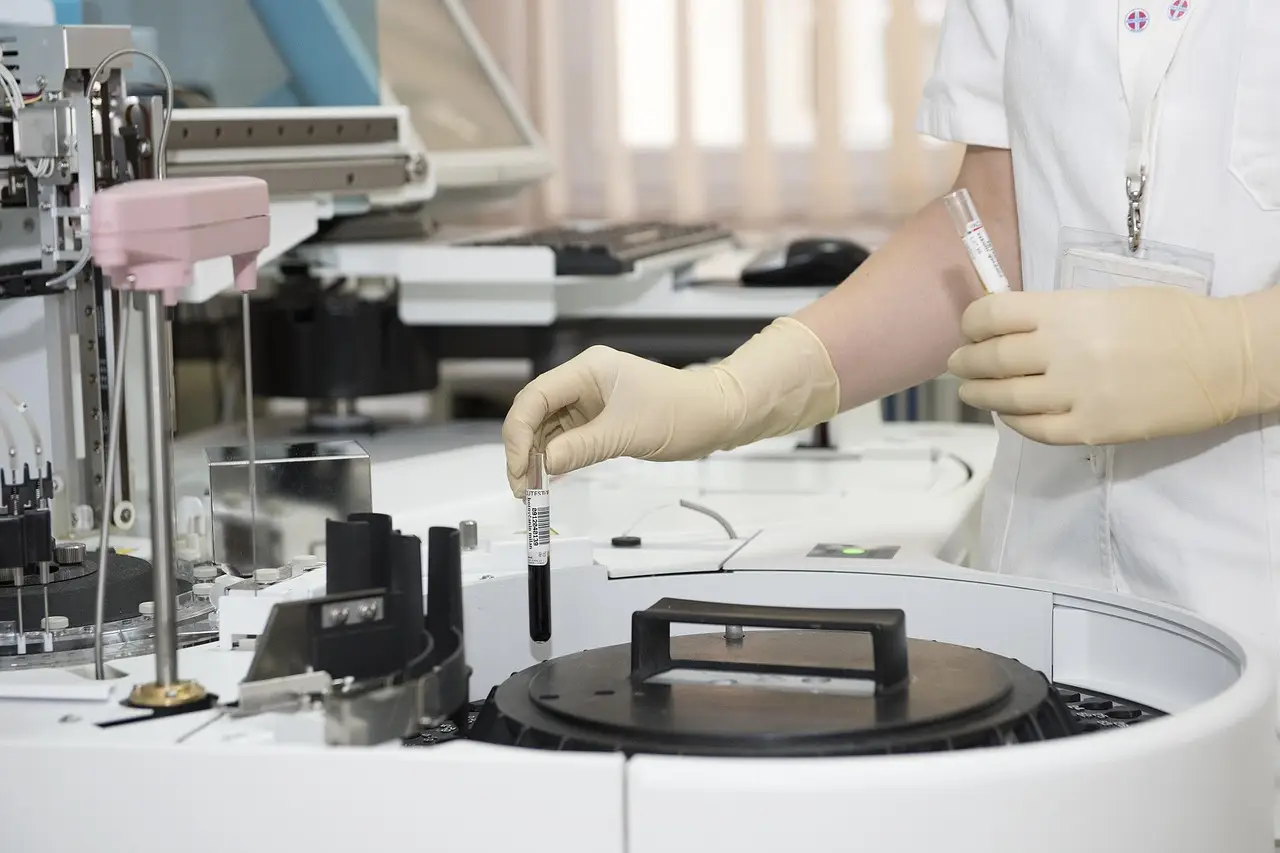
An experimental implant lowered blood sugar and induced weight loss in diabetic mice over six weeks, using nothing but electricity and a gold-platinum catalyst — no insulin, no drugs. The device, described in Science on November 2, 2026, has never been tested in a human being. That caveat deserves to sit in the first paragraph, not the last.
Researchers at ETH Zurich in Basel, led by biosystems professor Martin Fussenegger, built the implant to attack a problem insulin cannot solve: surplus energy. Insulin lets muscle cells absorb glucose from the blood, but the body still has to do something with it. Unused glucose ends up stored as fat, which helps explain why some treated patients keep gaining weight.
How does the implant actually work?
The core is a piece of graphite felt studded with tiny gold clusters, themselves coated with even smaller platinum particles. Apply current, and this nanoscale surface converts excess glucose into gluconate — a compound the body simply flushes out in urine. No living cells, no enzymes, no biological components at all.
That's a deliberate break from the group's earlier designs, which used engineered genetic networks. Biological parts brought problems with immune compatibility, long-term stability, manufacturing, and regulatory approval. An all-inorganic catalyst sidesteps at least some of that burden. Whether regulators agree remains untested.
The control loop works like this:
- A conventional glucose sensor, similar to arm-worn monitors many patients already use, reads tissue glucose continuously.
- When levels climb too high — say, after a meal — the sensor talks to a smartphone or smartwatch over Bluetooth.
- That device activates the implant, powering it wirelessly at 13.56 MHz, a frequency internationally reserved for industrial, scientific, and medical use.
- Once glucose returns to range, the implant shuts off automatically. This closed-loop design is meant to prevent dangerous lows.
The electronics sit inside a 3D-printed housing, and the catalyst responds in real time to changing blood sugar.
What did the tests show?
Before touching an animal, the team ran a bench experiment with a 5-liter reservoir of glucose-rich nutrient solution — roughly the blood volume of an adult human. The catalyst converted glucose at that scale, a meaningful proof of capacity.
Then came the mice. Implanted diabetic animals showed precisely regulated blood sugar and, notably, weight loss — the excess glucose left the body instead of feeding fat storage. Over six weeks, the implant ran reliably and was well tolerated.
"The system operates at a very low voltage, and our experiments showed no evidence of tissue damage from either electrical or thermal effects," Fussenegger said. The materials also showed good biocompatibility in testing. Fine. But six weeks in mice is a thin evidentiary base for a device intended to run for years inside a person.
What does this change for patients?
Right now, nothing. Human testing hasn't begun, and the researchers' stated next step is turning the lab prototype into a medical device ready for further development and eventual clinical trials. That road is long, and most implants stumble somewhere along it.
Still, the concept is a genuine departure. "For decades, we have treated diabetes by telling the body how to manage glucose. We are now showing that we can take control of glucose directly, using electronics rather than drugs," Fussenegger said. "And the catalyst only activates when glucose levels are too high."
The team also points to practical advantages. Wireless power transmission and external controllers are commercially mature, so they wouldn't build every part from scratch. A cell-free catalyst may dodge some headaches of biological therapies. And the system plugs naturally into digital health networks — the so-called Internet of Things, where devices exchange information and respond automatically.
The study, published in Science (DOI: 10.1126/science.ady8560), was authored by Debasis Maity, Preetam Guha Ray, Peter Buchmann, Ghislaine Charpin-El Hamri, and Fussenegger.
If human trials someday confirm the mouse results, smart electronic devices could join — or partly replace — the diabetes drug cabinet. That's a big if, and honesty requires saying so. But a drug-free implant that drains excess sugar through urine, and might trim fat in the bargain, is the kind of claim worth watching closely.
via ethz.ch (Original)
More from James Calloway
Show full bio
Staff writer covering regulation, policy and their impact on general science news at SciBeat.
267 articles