Recorded November 25, 2026
Science Policy & FundingReported finding
EU law hits record 47,600 pages, 118% above 2010 level
The EU Bureaucracy Index puts in-force EU regulations and directives at 47,600 standard pages in 2025, up 118% from 2010, with sanctions and environmental rules driving the increase.
By Elena Vasquez4 min read752 words
In brief
- EU regulations and directives in force totaled about 47,600 standard pages at the end of 2025, up 118% from 2010.
- With annexes, in-force EU law covered about 90,800 standard pages, 85% more than in 2010.
- Foreign and security policy added nearly 12,900 standard pages since 2010, mostly through Council sanctions rules.
- The share of articles in acts jointly adopted by Parliament and Council rose from 10% in 2000 to 81% in 2025.
- German federal statutes rose from 24,765 standard pages in 2010 to 40,270 in 2025.
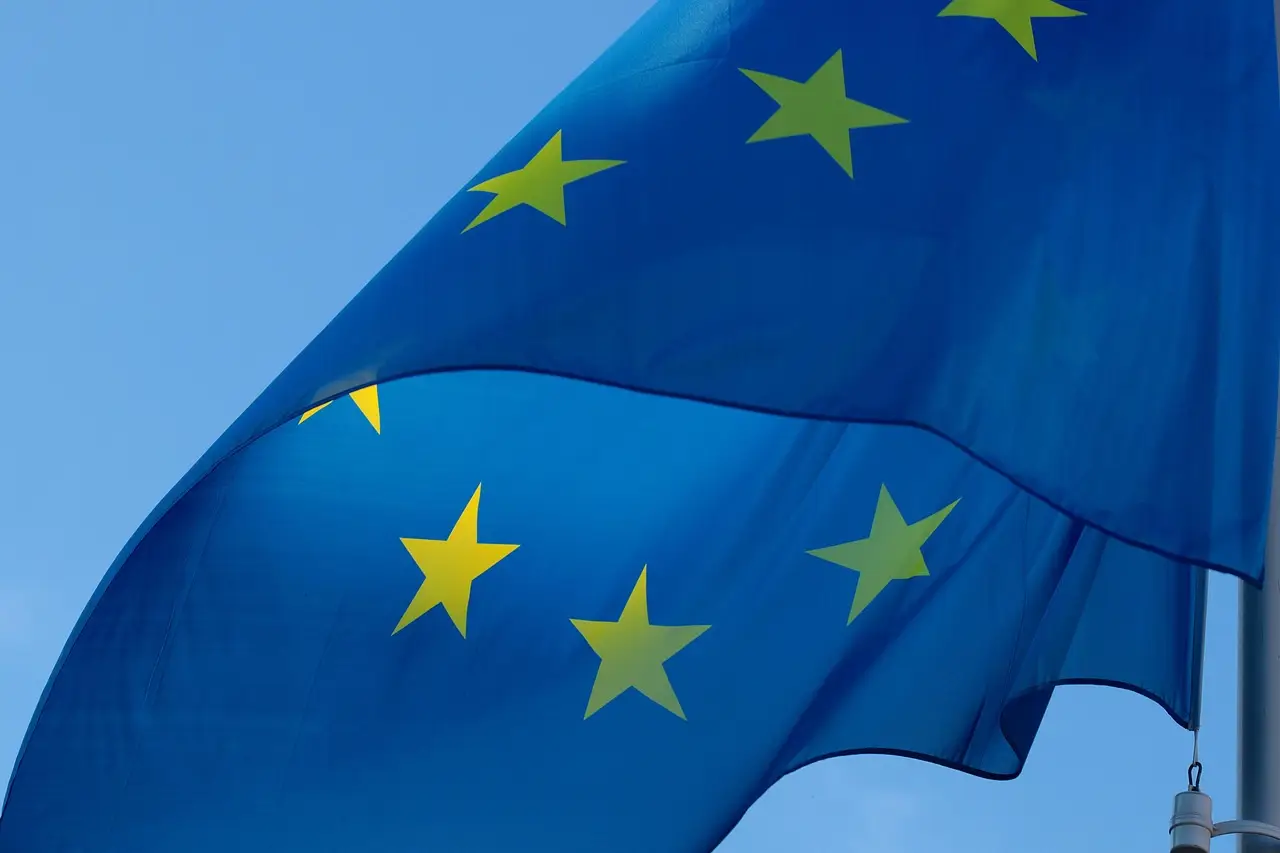
EU law in force reached a record 47,600 standard pages at the end of 2025, 118% more than in 2010, according to a new EU Bureaucracy Index compiled by Stefan Wagner of the University of Vienna with ESMT Berlin.
The index shows that EU regulatory text more than doubled over 15 years and continued to grow during 2025. Sanctions regulations and new rule sets covering the environment, consumer protection and health drove the largest increases.
Wagner's index adds European-level data to ESMT's Bureaucracy Index for German federal law, which ESMT published in March 2026. The project measures volume, not the number of legal acts.
Takeaway: The central finding concerns the sheer volume of EU rules in force, not a simple count of regulations.
What does the index actually measure?
For each year, the researchers count every regulation and directive still in force on December 31. They include acts adopted jointly by the European Parliament and the Council, or by the Council alone. They use each act's consolidated version, which combines its operative text and amendments, and exclude legal acts issued by the European Commission.
The index uses standard pages of 1,500 characters. That common unit allows a direct comparison between EU and German federal law. Researchers drew the data from Cellar, the Publications Office of the European Union's database that underpins EUR-Lex.
Adding annexes—lists, limit values and technical specifications—to the articles raises the EU total to about 90,800 standard pages, 85% more than in 2010.
Takeaway: A standardized page count captures the scale of rules on the books, while excluding the Commission's separate legal acts.
Where did the growth come from?
Eighteen of 20 policy areas grew between 2010 and 2025. Foreign and security policy recorded the largest increase, adding almost 12,900 standard pages. Almost all of that expansion came from Council sanctions regulations, including lists of people, companies and goods.
Environment, consumer protection and health ranked second. Their combined volume more than doubled, rising from about 4,300 standard pages to 9,800. Outside sanctions law, no policy area added as many pages. New rules on medical devices, renewable energy and industrial emissions drove much of the increase. The Environmental Noise Directive alone expanded by roughly 700 standard pages because of new calculation methods.
Even after researchers removed sanctions law, EU law grew 60% from 2010.
The index also shows a shift in lawmaking. Joint Parliament-Council acts supplied 10% of articles in 2000, compared with 81% in 2025.
Takeaway: Broad expansion across most policy areas, not sanctions alone, accounts for much of the 15-year increase.
How does EU law compare with German federal law?
Companies operating in Germany encounter both EU and federal obligations, and both systems added rules. ESMT's federal index also reached a record high: German statutes in force grew from 24,765 standard pages in 2010 to 40,270 in 2025.
The articles in EU regulations and directives alone now amount to roughly the same number of standard pages as all German federal statutes combined. Count EU annexes, and EU law becomes more than twice as extensive. It also grows significantly faster.
“EU law is growing almost twice as fast as German federal law,” Wagner said. He added: “Anyone who wants to reduce bureaucracy must also take the European level into account. Many of the obligations that companies in Germany complain about originate in Brussels. A national relief program alone will not solve the problem.”
Commercial law produced the largest increase in the German series. It added 1,542 standard pages between 2022 and 2026, a 16.5% rise and more growth than in any earlier period covered by the analysis.
Takeaway: German companies face two expanding layers of law, and the EU layer now roughly matches federal statutes before annexes.
What can the index show, and what can it not?
The index does not judge whether individual regulations make sense. It measures only the volume of law in force. That distinction matters because sanctions law has a political purpose, while extensive lists of people, companies and goods drive up the totals.
The figures therefore cannot by themselves settle which rules should be repealed or simplified. They do identify where regulatory text increased most sharply over 15 years, giving lawmakers a basis for targeted debate about reducing the European bureaucracy burden.
Takeaway: The index locates the growth of EU law; it does not grade the wisdom of the rules.
via phys.org/rss-feed/ (Source)
More from Elena Vasquez
Show full bio
Correspondent covering money, funding and market shifts around general science news at SciBeat.
622 articles
Nearby plates
- Hungary moves to overhaul universities blocked from Horizon Europe
- Global Climate Rules Keep Advancing, Oxford Monitor Finds
- EU Opens Consultation on Sustainability Reporting Assurance Standards
- Two EU committees back broad restrictions on 'forever chemicals'
- Germany's EU budget pushback puts research funding at risk