Recorded November 23, 2026
Health & Medicine ResearchReported finding
Every 10 Decibels of Road Noise Tied to 6% Higher Diabetes Risk
A study of 142,000 adults in Sweden and Denmark links every 10-decibel rise in road noise to a 6% higher risk of type 2 diabetes, with associations even below 50 decibels.
By Nathan Brooks3 min read544 words
In brief
- Each 10-decibel rise in road traffic noise was linked to a 6% higher type 2 diabetes risk.
- The study pooled eight Scandinavian cohorts covering more than 142,000 adults.
- 12,761 participants developed type 2 diabetes over a median follow-up of just over 20 years.
- Associations appeared even at road-noise levels below 50 decibels.
- Published in Environmental Health Perspectives in 2026; led by Jessica Edstorp with Karolinska Institutet.
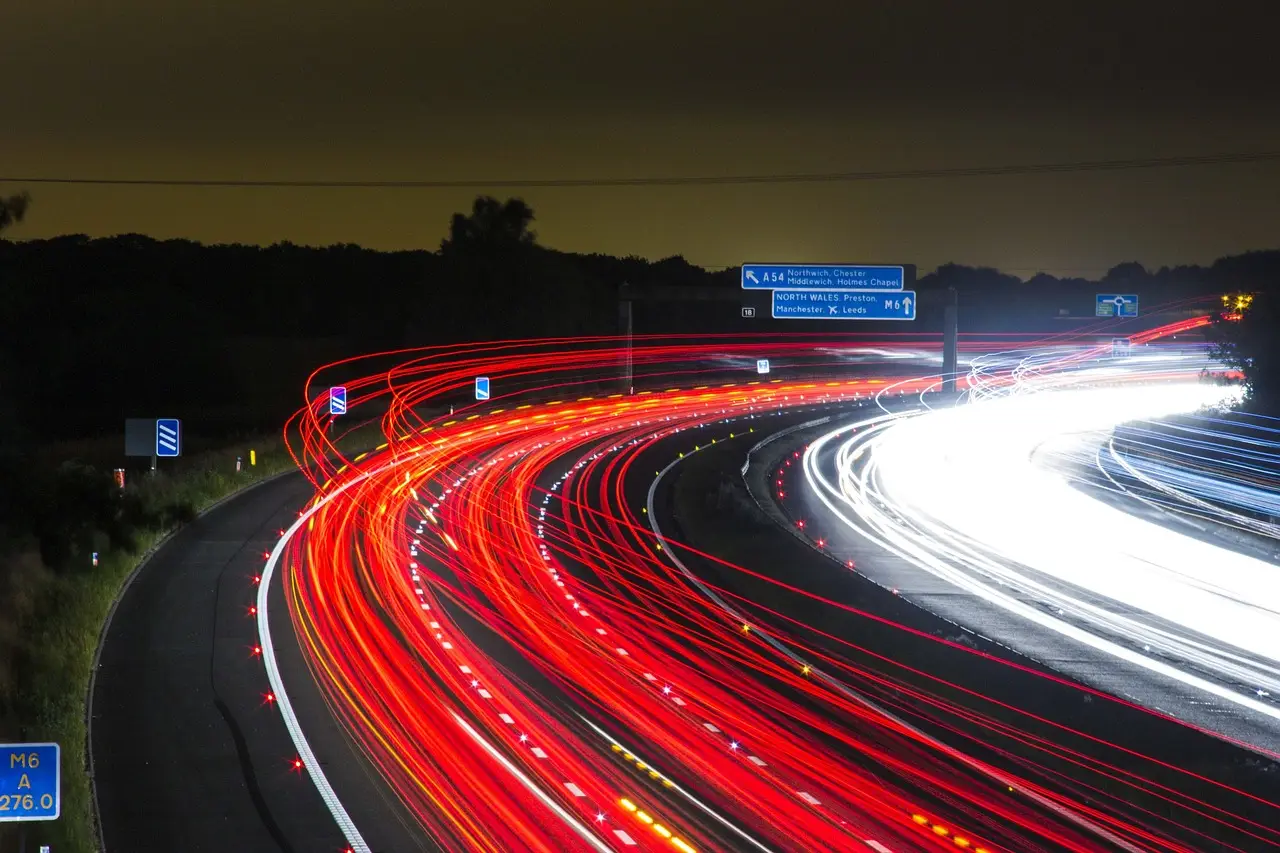
A 10-decibel rise in long-term road traffic noise was associated with a 6% higher risk of developing type 2 diabetes, according to a 2026 study published in Environmental Health Perspectives. Railway noise showed a weaker but similar pattern: a comparable increase carried a 4% higher risk.
The research team, led by Jessica Edstorp and involving Karolinska Institutet, pooled eight population studies from Sweden and Denmark. Together they covered more than 142,000 adults, whose residential histories let researchers estimate each person's exposure to road, rail and aircraft noise.
Over a median follow-up of slightly more than two decades, 12,761 participants received a type 2 diabetes diagnosis. That is roughly one in eleven people in the pooled studies.
What is type 2 diabetes, and why does noise matter?
Type 2 diabetes develops when the body can no longer keep blood sugar within a healthy range. It raises the chance of heart disease, kidney problems and other complications, which makes prevention a public-health priority.
Noise is usually treated as an annoyance, but the study's premise is that it may matter biologically too. Chronic sound from traffic can interfere with sleep and with how the body responds to stress, and those disruptions could plausibly feed into metabolic health over years.
The finding speaks to a broader question: can the environment around a home influence disease risk, even when a person has little control over it?
How strong is the evidence?
The associations appeared even at road-noise levels below 50 decibels — quieter than a typical conversation. And the team adjusted its calculations for smoking, physical activity, education, income and air pollution, so the link isn't simply a stand-in for other differences between neighborhoods.
The effect wasn't uniform across everyone, though:
- People with overweight or obesity showed a clearer relationship between road noise and diabetes than those of normal weight.
- The link was strongest in the group with the greatest exposure to tiny airborne pollution particles.
For aircraft noise, the researchers did not find convincing evidence of a similar pattern. But fewer participants lived under flight paths, so that result is less certain — and it should not be read as proof that aircraft sound is harmless.
Does noise actually cause diabetes?
Not proven yet, and the study itself says so. Noise exposure was estimated from residential histories rather than measured directly, and unmeasured influences could still have shaped the results.
More research is needed before anyone can claim that reducing noise alone will lower diabetes rates. What the study does establish is a consistent, dose-like association across two countries and two decades of follow-up.
If the link holds up, the practical implications are familiar ones: quieter streets, better building design and cleaner transport could support health alongside existing diabetes-prevention efforts. That would slot noise reduction into the same prevention toolkit as diet, exercise and air-quality policy — one more environmental lever, not a cure.
For now, the honest read is narrower. Living near busy roads correlates with a modestly higher diabetes risk, the pattern survives adjustment for major confounders, and it grows with noise dose. Establishing causation, and testing whether soundproofing or quieter traffic actually reduces diagnoses, is work for the studies that come next.
via knowridge.com (Source)
More from Nathan Brooks
Show full bio
Market editor covering companies, deals and strategy in general science news at SciBeat.
563 articles
Nearby plates
- Traffic Noise Tied to Higher Heart Risk Even With Good Sleep
- AI Detects Type 2 Diabetes from 20 Seconds of Speech in Largest Study
- Moving Out of Poverty Cuts Type 2 Diabetes Risk by Up to 57%
- Coffee May Lower Diabetes Risk While Caffeine Raises Blood Sugar
- Strict blood sugar targets may quietly erode daily well-being