Plate Nº 62 · recorded November 12, 2026
Biology & EvolutionReported finding
Frozen sperm produces first embryos in endangered Okinawa rail
Osaka Metropolitan University scientists used frozen-thawed sperm to produce the first confirmed embryo in an Okinawa rail—a first for the endangered flightless bird, though the chick failed to hatch.
By James Calloway3 min read698 words
In brief
- The Okinawa rail population once fell to as low as 820 individuals.
- Frozen-thawed sperm produced a confirmed embryo for the first time in the species.
- The chick died on day 21 of incubation, failing to pip through the eggshell.
- The study, led by Takehito Kaneko, was published in Scientific Reports (2026).
- The custom freezing medium uses N-methylacetamide as a cryoprotectant.
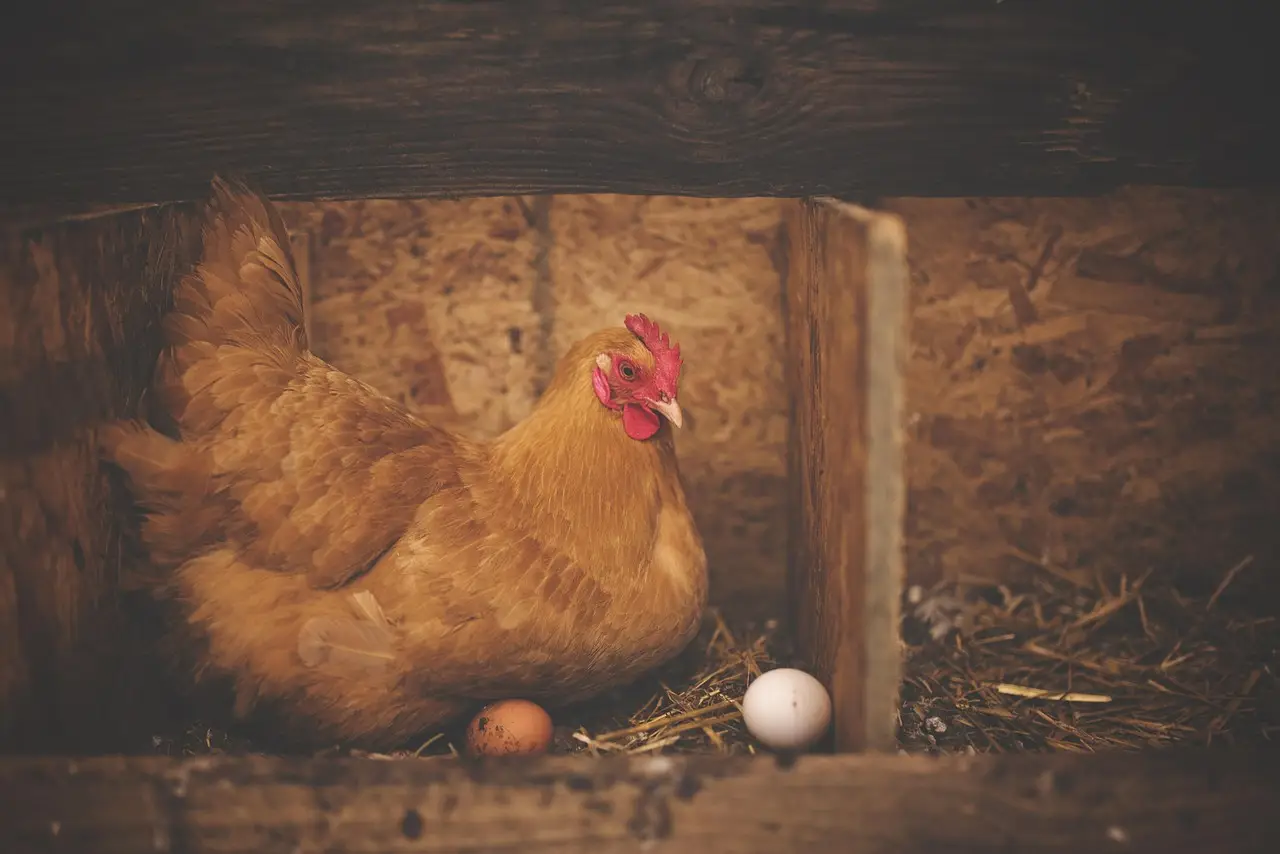
For the first time, frozen sperm from an endangered Okinawa rail has produced a confirmed embryo after artificial insemination—though the chick died on day 21 of incubation, unable to crack through its own shell.
That mixed result is the headline of a new study published in Scientific Reports by a team led by Takehito Kaneko of the Graduate School of Veterinary Science at Osaka Metropolitan University. The work marks the first time these reproductive technologies have worked, even partially, in this species.
The Okinawa rail (Hypotaenidia okinawae) is a flightless bird found nowhere on Earth except the Yanbaru forest region of Okinawa Island in Japan. Its history is grim. Introduced predators, notably the mongoose, plus traffic accidents, drove the population down to as few as 820 individuals. Only recently have numbers begun to recover.
Why freeze sperm at all?
Habitat preservation remains the backbone of the species' survival plan, but it isn't enough on its own. Sperm cryopreservation—in plain English, freezing sperm for long-term storage—and artificial insemination are becoming necessary tools for the rail's long-term conservation.
Here's the catch: these techniques have only been successfully applied in a limited number of wild species. Before this study, nobody had pulled it off in Okinawa rails.
The research group collected sperm at a captive breeding facility and used a freezing medium their own team developed. Kaneko said: "The freezing medium for cryopreserving the sperm was developed by our team. It contains N-methylacetamide as a cryoprotectant, which has previously been used to artificially inseminate other bird species, like chickens."
A cryoprotectant, for those without a biology degree, is a chemical that shields cells from damage during freezing and thawing.
What actually happened in the lab?
The team reports a chain of partial successes:
- Thawed sperm retained sufficient motility—the ability to swim—and membrane integrity after cryopreservation.
- Researchers artificially inseminated a female rail with that thawed sperm.
- Embryonic development was confirmed.
- A paternity test verified that fertilization came from the frozen-thawed sperm.
- Analysis of the unhatched offspring showed development had progressed to the stage immediately before hatching.
Then the story stalls. On day 21 of incubation, the chick failed to break through the eggshell, a process known as pipping, and died.
The researchers frame this as less catastrophic than it sounds. Kaneko explained: "Although the embryo ultimately failed to hatch because it was unable to pip successfully, this isn't uncommon. The key thing is that our method enabled the reliable preservation of sperm obtained from an endangered bird, for which opportunities for collection are often limited, and that it was successfully used in artificial insemination."
That point deserves weight. For endangered birds, chances to collect sperm are rare and unpredictable. A method that preserves whatever you manage to obtain turns a fleeting opportunity into a durable resource.
What does this change for conservation?
Right now, honestly? One embryo, one failed hatch. The study demonstrates proof of concept, not a population rescue. We don't know from this single case whether repeat inseminations would reliably produce hatched chicks, or how the technique performs across different females or sperm batches.
The team's ambitions, though, stretch beyond one species. Kaneko said: "We expect that the techniques developed in this study can be applied to captive breeding programs for other endangered bird species in Japan and elsewhere, thereby making a significant contribution to conservation efforts."
Expect is the operative word—and a hedge worth remembering. Extending a lab technique from chickens to rails is one step; extending it across other endangered species, each with their own reproductive quirks, is another entirely.
Still, the building blocks are now in place: a custom freezing medium, verified sperm survival after thawing, confirmed fertilization, and an embryo that reached the doorstep of hatching. For a bird that once dipped to 820 individuals, that's a foothold, not a victory. The next study will need to show a live chick.
The paper is authored by Takehito Kaneko et al., titled "First successful of embryo development after artificial insemination using frozen sperm in Okinawa rail (Hypotaenidia okinawae)," published in Scientific Reports (2026), DOI: 10.1038/s41598-026-67828-9.
via phys.org/rss-feed/ (Source)
More from James Calloway
Show full bio
Staff writer covering regulation, policy and their impact on general science news at SciBeat.
346 articles
Nearby plates
- Mouse sperm cryo-ET dataset opens 1,413 tomograms to reuse
- Tardigrade Protein Helps Frozen Mouse Blood Cells Survive Better Than Glycerol
- Healthy Calves Born Without 'Essential' Pregnancy Protein
- Hydra loses immortality under cold, tied to taurine loss
- New megapode found in Liang Bua, the Homo floresiensis cave