Plate Nº 40 · recorded October 10, 2026
Biology & EvolutionReported finding
Gut Bacteria Can Spread Across Continents Within Decades
Vienna-led research in Nature shows gut bacterial populations can cross continents within decades and reveals hidden lineages tied to cancer, IBD and diabetes.
By Priya Raman4 min read759 words
In brief
- The study, led by the University of Vienna, was published in Nature on September 7, 2026 (DOI: 10.1038/s41586-026-10476-w).
- Some gut bacterial populations expanded across continents within only a few decades — a pattern previously seen mainly in pathogens.
- Hidden bacterial lineages were associated with advanced age, inflammatory bowel disease, colorectal cancer and type 2 diabetes.
- The team analyzed thousands of bacterial isolates plus metagenomic data from people in multiple countries and age and health groups.
- The method, 'reverse ecology,' uses genomic data to infer how bacteria adapted to specific niches inside the gut.
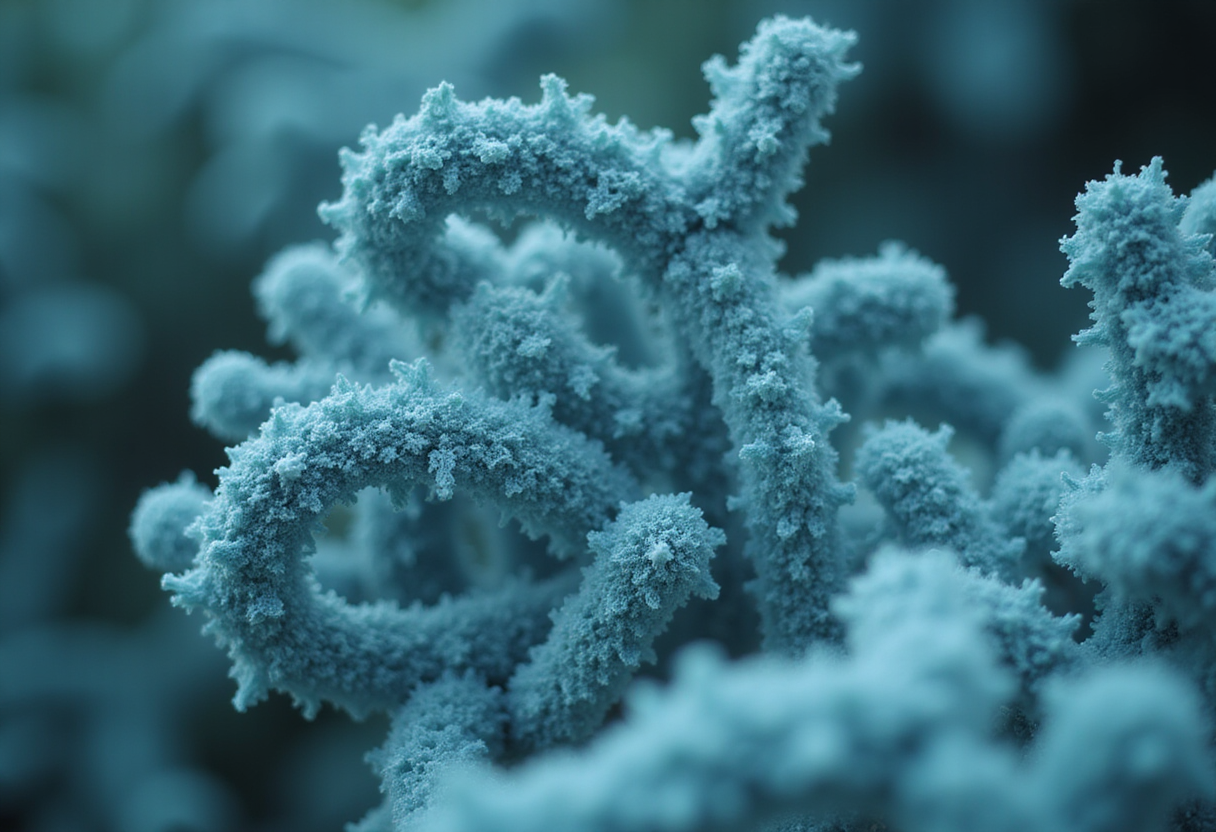
Some gut bacterial populations can sweep across continents in just a few decades, according to a study published in Nature on September 7, 2026, by researchers led by the University of Vienna. That speed of spread, previously documented mainly in pathogens, now appears to apply to ordinary gut bacteria too.
The finding changes how scientists think about the gut microbiome — the trillions of microorganisms living in the human digestive tract that influence digestion, immune function and metabolism. The study also revealed hidden bacterial lineages associated with advanced age, inflammatory bowel disease, colorectal cancer and type 2 diabetes.
What did the researchers actually find?
The team analyzed thousands of bacterial isolates from the human gut, together with large metagenomic datasets — complete genetic inventories of microbial communities — sampled from people in multiple countries and across different age and health groups.
Using an approach called "reverse ecology," which reads genomic information to infer how organisms adapted to specific environments, the researchers showed that many well-known gut bacterial species are not single uniform entities. Instead, each species can contain several evolutionarily distinct populations, each adapted to different conditions inside the gut.
One key clue came from so-called "genome-wide selective sweeps." These occur when one individual gains a beneficial mutation that outcompetes its close relatives, so its descendants come to dominate the population. A sweep reduces genetic diversity within the winning group while making it clearly distinguishable from its neighbors in both ancestry and function.
"If you don't just count species but take evolutionary adaptation into account, you can identify the biologically relevant units in the microbiome much more accurately," said lead author Xiaoqian Annie Yu of the Centre for Microbiology and Environmental Systems Science (CeMESS) at the University of Vienna. "Even within the same bacterial species, some populations occur more frequently than others in certain diseases. When all are considered together, this often remains hidden."
Why does the species level fall short?
Most microbiome research groups bacteria by species or by broad genetic similarity. Those categories are convenient, but they can blur crucial differences between populations that have adapted to different environments within the body.
That imprecision makes it hard to tell which bacteria genuinely track a disease, which are present by coincidence, and which might even be protective. By reclassifying bacteria according to evidence of adaptation and specialization, the Vienna-led team identified groups that correlate more sharply with specific conditions, including aging and chronic disease.
How contagious is the microbiome?
The most striking result concerns transmission. The analysis uncovered evidence that particularly competitive bacterial populations can expand across vast geographic distances — in some cases spanning continents within only a few decades.
Until now, scientists had observed such rapid intercontinental spread mainly among pathogens. Finding it in common gut bacteria suggests the microbiome is more dynamic and more transmissible than assumed.
"Our findings show that gut bacteria are also more dynamic than previously thought. Well-adapted strains can spread internationally and occupy new ecological niches," said study leader Martin F. Polz of the University of Vienna.
The implication is that the gut microbiome is shaped not only by diet, medication and lifestyle. Transmission between people may be an equally important force in determining which bacterial populations take hold and spread.
What could this mean for medicine?
The discovery could refine how researchers link gut bacteria to disease. Instead of treating an entire bacterial species as one unit, scientists may eventually target the specific populations most relevant to health.
That added precision could improve the search for microbiome biomarkers — measurable indicators of disease risk or progression. Over time, it may also support more targeted therapies that encourage beneficial strains while suppressing populations associated with harmful effects.
The researchers now plan to identify which genes separate these bacterial populations from one another, and what biological functions those genetic differences produce.
What are the limitations?
The findings are preliminary in several respects. The associations between specific bacterial populations and conditions such as colorectal cancer or type 2 diabetes come from observational data, so they do not prove that these microbes cause disease. The study also does not identify the routes — or the pace — of person-to-person transmission in detail. Whether targeting particular populations can actually improve treatments remains a question for future research.
Still, the study, published as "Genome-wide sweeps create ecological units in the human gut microbiome" in Nature (DOI: 10.1038/s41586-026-10476-w), marks a significant shift: the most meaningful unit of microbiome analysis may not be the species, but the adapted population within it.
via univie.ac.at (Original)
More from Priya Raman
Show full bio
Senior reporter covering industry trends and analytics at SciBeat.
207 articles
Nearby plates
- Gut Microbes Traveled With Humans Out of Africa, Genome Study Finds
- Diet Alone Can't Explain Why Gut Microbes Differ Worldwide
- IBD food reactions may stem from gut bacteria loss, study finds
- Mayo Clinic Study Maps Gut Microbes Across 1,364 Cancer Patients
- Starving E. coli Swap DNA 100 Times Faster Than They Mutate