Plate Nº 80 · recorded October 2, 2026
Health & Medicine ResearchReported finding
Lab-Grown Pituitary Tissue Restores Hormones in Primate First
Japanese researchers transplanted human stem cell-derived pituitary tissue into a monkey, restoring ACTH and cortisol signals for six weeks in a first-of-its-kind result.
By Priya Raman3 min read618 words
In brief
- Lab-grown human pituitary organoids survived and produced ACTH in a primate for the first time.
- In mice, transplanted organoids produced ACTH for over six months and extended lifespan without tumor formation.
- The primate experiment involved a single macaque, with tissue functioning for six weeks before cross-species immune rejection limited it.
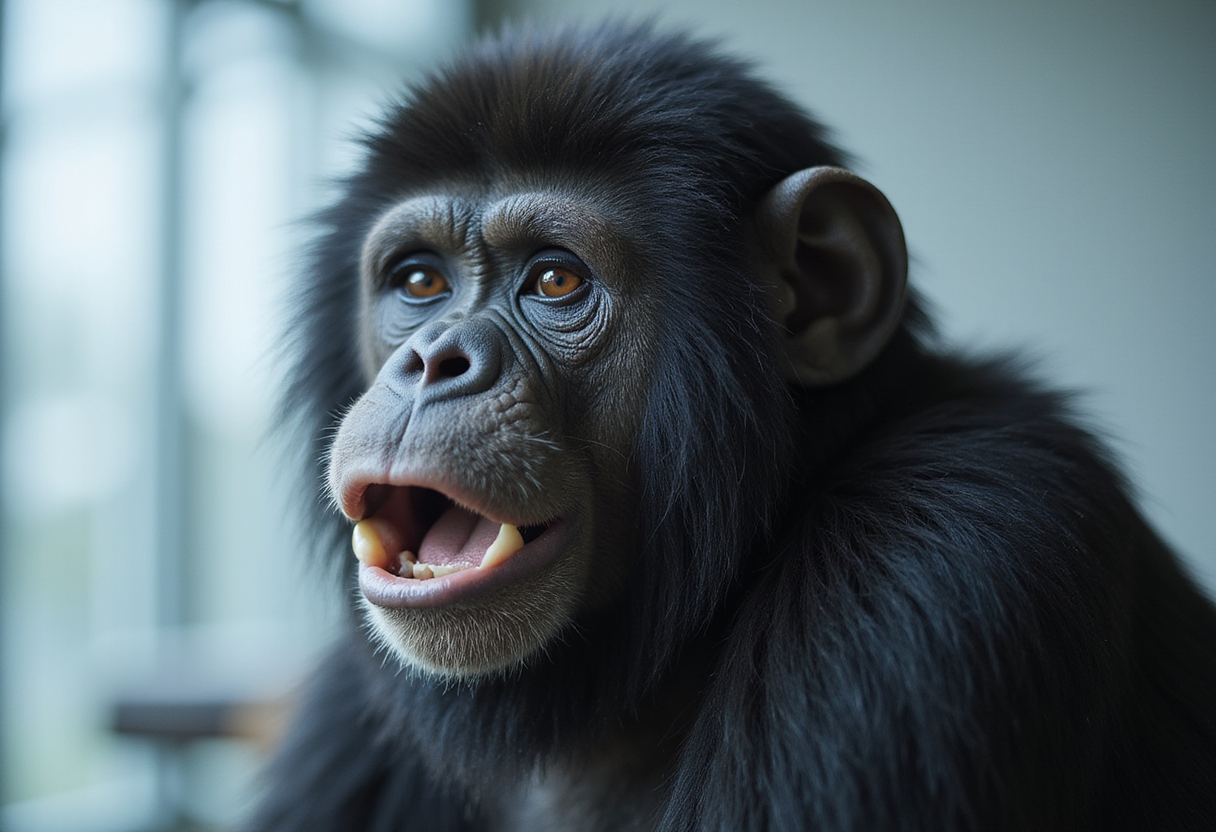
Researchers in Japan have, for the first time, transplanted pituitary tissue grown from human stem cells into a primate and restored critical hormone signals. The transplanted tissue survived, produced a key hormone, and raised cortisol levels in the blood of a monkey whose own pituitary gland had been surgically removed.
The team, led by scientists at Nagoya University, published its findings in the journal Stem Cell Research & Therapy. The study may open a new path toward treating lifelong hormone disorders, though the researchers themselves stress that the work is early-stage and based on a single animal.
Why the pituitary gland matters
The pituitary is a small gland at the base of the brain that releases hormones into the bloodstream, controlling stress responses, growth and metabolism. One of its products is ACTH (adrenocorticotropic hormone), a chemical signal that tells the adrenal glands to release cortisol. Cortisol helps the body manage stress, blood pressure and blood sugar.
When the pituitary gland is damaged or removed, patients lose this signaling chain. The resulting condition, called hypopituitarism, leaves the body unable to respond properly to stress, which can become dangerous. The standard treatment is daily hormone pills for life, but pills cannot mimic the body's natural fluctuations: the demand for cortisol shifts with stress levels and time of day. As a result, patients on this regimen face a higher risk of sudden death.
Testing in mice first
To look for a better option, the researchers grew organoids — small lab-made clusters of tissue that act like miniature organs — from human stem cells. These organoids contained cells capable of producing ACTH. The team first transplanted them into mice whose pituitary glands had been removed.
"The organoids were transplanted just under the skin, in fat or muscle tissue. They produced ACTH for more than six months and clearly extended the lifespans of these mice compared to those that did not receive the transplant. No unwanted tumors or unusual cell growth were observed," said first author Tatsuma Kondo, a guest researcher at Nagoya University's Graduate School of Medicine.
A step toward humans
The researchers then moved closer to human application by transplanting the organoids into a macaque monkey without a pituitary gland. Because the tissue came from a different species, they used immune-suppressing drugs — the same kind already used in transplants of human insulin-producing cells for diabetes — to prevent rejection.
The transplant worked for six weeks. During that time, ACTH and cortisol levels in the monkey's blood rose, and significant weight loss caused by the hormone deficiency slowed. Three months later, tissue samples still contained surviving transplanted cells, although strong immune rejection, which is common in cross-species transplants, limited how well the graft functioned over time.
Stem cell therapies carry a known risk: transplanted cells can migrate from the implant site and grow uncontrollably elsewhere in the body. The researchers checked the monkey's lungs and liver for signs of stray organoid tissue and found none.
Early days
The findings are promising but preliminary. The primate experiment involved a single animal, and the tissue functioned for six weeks — far shorter than the more than six months seen in mice, largely because of cross-species immune rejection. Human-to-human transplants, if they ever happen, would face a weaker form of that problem.
"We tested this approach in a single primate and are planning further studies to improve how long the tissue lasts and test safer immune-suppressing methods," Kondo said.
The study, titled "Functional analysis of adrenocorticotropic-hormone-producing pituitary cells derived from human pluripotent stem cells in murine and primate models of hypopituitarism," appears in Stem Cell Research & Therapy (2026), DOI: 10.1186/s13287-026-05098-y.
via Medical Xpress (Source)
More from Priya Raman
Show full bio
Senior reporter covering industry trends and analytics at SciBeat.
57 articles
Nearby plates
- Why the Same Chemical Harms One Species and Spares Another
- Experimental Drug Combo Cuts Body Weight by Up to 23.3% in Diabetes Trial
- Scientists Find the Stem Cell That Builds Tendons and Ligaments
- Drug That Flips Cell 'Energy Saver' Switch Extends Animal Lifespans
- Japanese Hospital Performs World-First Surgery With iPS Heart Cells