Plate Nº 72 · recorded October 20, 2026
Health & Medicine ResearchReported finding
Nous-209 Vaccine Trial Targets Cancer Before It Starts in Lynch Syndrome
A Nature phase 1b/2 trial tests Nous-209, a neoantigen vaccine designed to prevent cancer in Lynch syndrome carriers before tumours appear — early, not yet definitive, evidence.
By Marcus Bennett3 min read669 words
In brief
- Nature published a phase 1b/2 trial of Nous-209, a neoantigen vaccine for cancer prevention in Lynch syndrome carriers.
- Nous-209 targets frameshift neoantigens produced by the faulty DNA mismatch repair that defines Lynch syndrome.
- The trial vaccinated healthy carriers rather than cancer patients, aiming at prevention rather than treatment.
- Phase 1b/2 results can show safety and immune responses but cannot demonstrate that the vaccine prevents cancer.
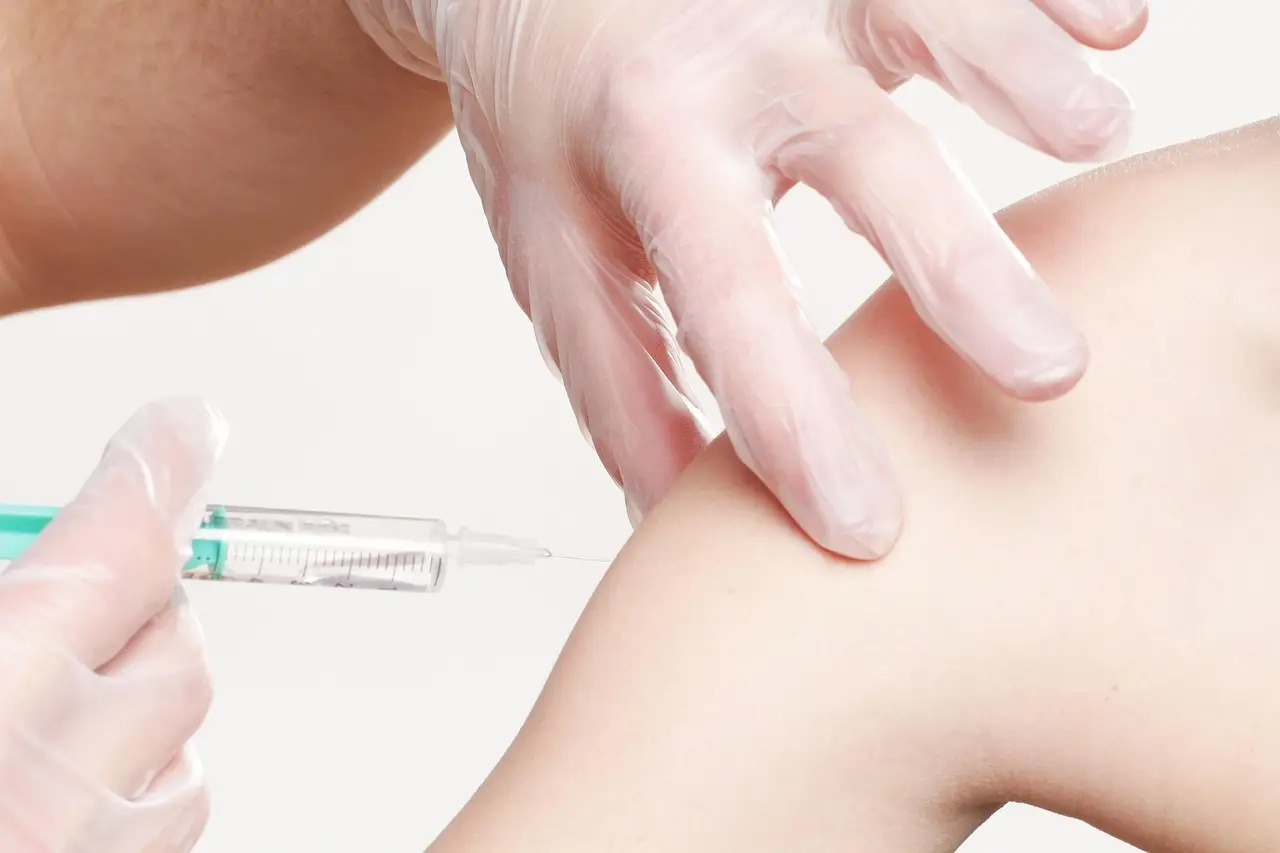
A phase 1b/2 trial published in Nature has reported results for Nous-209, a neoantigen vaccine designed to prevent cancer in people who carry Lynch syndrome, an inherited condition that sharply raises lifetime cancer risk.
The trial marks one of the first serious attempts to move vaccination against cancer from treatment into prevention — giving the shot to healthy people before any tumour appears. For clinicians who manage Lynch syndrome families, that shift is the whole story.
What is Lynch syndrome?
Lynch syndrome is an inherited disorder caused by faults in the body's DNA mismatch repair system — the cellular machinery that fixes copying errors when cells divide. When that repair fails, errors accumulate, and carriers face elevated risks of colorectal, endometrial and several other cancers across their lifetimes.
Standard care today is surveillance: regular colonoscopies and other screening to catch tumours early. Prevention, as opposed to early detection, has remained out of reach.
What is Nous-209 and how does it work?
Nous-209 is a neoantigen vaccine. Unlike classic vaccines, which train the immune system against viruses, neoantigen vaccines train it against markers that arise from a tumour's own mutations.
The logic fits Lynch syndrome precisely. Because mismatch repair is broken in these carriers, their tumours tend to carry a heavy load of predictable mutations. The vaccine aims to teach the immune system to recognise fragments of those mutations — called frameshift neoantigens — so that abnormal cells can be destroyed before they grow into cancer.
In plain terms: the vaccine tries to arm the immune system in advance against the mistakes it already knows these tumours will make.
What did the trial test?
The published study, titled "Nous-209 neoantigen vaccine for cancer prevention in Lynch syndrome carriers: a phase 1b/2 trial," evaluated the vaccine's feasibility, safety and immune activity in Lynch syndrome carriers who did not yet have cancer.
Phase 1b/2 trials exist to answer two early questions: is the experimental product safe, and does it do something biologically plausible — here, whether vaccination triggers immune responses against the targeted neoantigens. They do not, by design, prove that the vaccine prevents cancer. That question requires much larger, longer phase 3 trials that track cancer incidence over years.
Readers should treat the findings accordingly. Any immune responses or safety signals reported in the Nature paper are preliminary evidence of biological activity, not evidence of clinical benefit.
Why this matters for practitioners
For gastroenterologists, genetic counsellors and oncologists who follow Lynch syndrome families, the trial changes the conversation even before it changes practice.
- It reframes the goal of management from early detection toward true prevention.
- It tests a strategy — off-the-shelf neoantigen vaccination — that would not require a custom vaccine built for each patient, unlike personalised cancer vaccines now in trials for existing tumours.
- It builds on years of mouse work showing that mismatch repair deficiency creates targetable, recurrent neoantigens.
If a shared vaccine like Nous-209 eventually works, the practical model for Lynch syndrome care could shift from lifelong surveillance alone toward surveillance plus preventive immunisation. That day remains distant, and the current data do not justify clinical use outside research settings.
What the trial does not yet show
Three limits deserve emphasis.
- Cancer prevention itself was not demonstrated in a trial of this size and phase; only safety and immune readouts fall within its scope.
- Long-term durability of any vaccine-induced immune responses remains unknown.
- Results in healthy carriers may not generalise across the full Lynch syndrome population, which spans multiple gene variants and ages.
Cancer incidence data, the endpoint that would matter most to patients and payers, will require dedicated late-stage trials that have not yet read out.
The takeaway
A Nature-published phase 1b/2 trial has now tested whether a shared neoantigen vaccine can safely train the immune systems of Lynch syndrome carriers against the mutations their future cancers would carry — an early, unproven but conceptually decisive step toward preventing hereditary cancer rather than merely catching it early.
via Google News: Clinical Trials (Source)
More from Marcus Bennett
Show full bio
News editor covering regulation, policy and their impact on general science news at SciBeat.
268 articles
Nearby plates
- Moderna melanoma vaccine shows promise in Nature.com report
- mRNA Cancer Vaccine Plus Keytruda Boosts Melanoma Survival
- MSK Reports Lasting Early Results for Pancreatic Cancer Vaccine
- Personalized Guidance Helps Families Act on Cancer Risk Genes
- Two Gatekeeper Proteins Guide Immune Cells' Risky DNA Mutations