Plate Nº 29 · recorded October 8, 2026
Health & Medicine ResearchReported finding
Olive Oil Before Carbs Blunts Blood Sugar Spike — in Mice
Mice fed olive oil 15 minutes before glucose showed a smaller early blood sugar rise, slower stomach emptying and higher gut hormone release, a Kyoto-led study in Diabetes found.
By Marcus Bennett3 min read674 words
In brief
- Olive oil given 15 minutes before glucose cut the early blood glucose rise and slowed gastric emptying in mice.
- The study, led by Daisuke Yabe of Kyoto University, appears in the journal Diabetes (2026), DOI: 10.2337/db26-0531.
- Benefits persisted in mice with type 2 diabetes and severe insulin deficiency.
- Only combined blockade of glucagon and GLP-1 signaling — not either alone — weakened the effect.
- All findings are from mice; human meal-sequencing trials have not yet tested this mechanism.
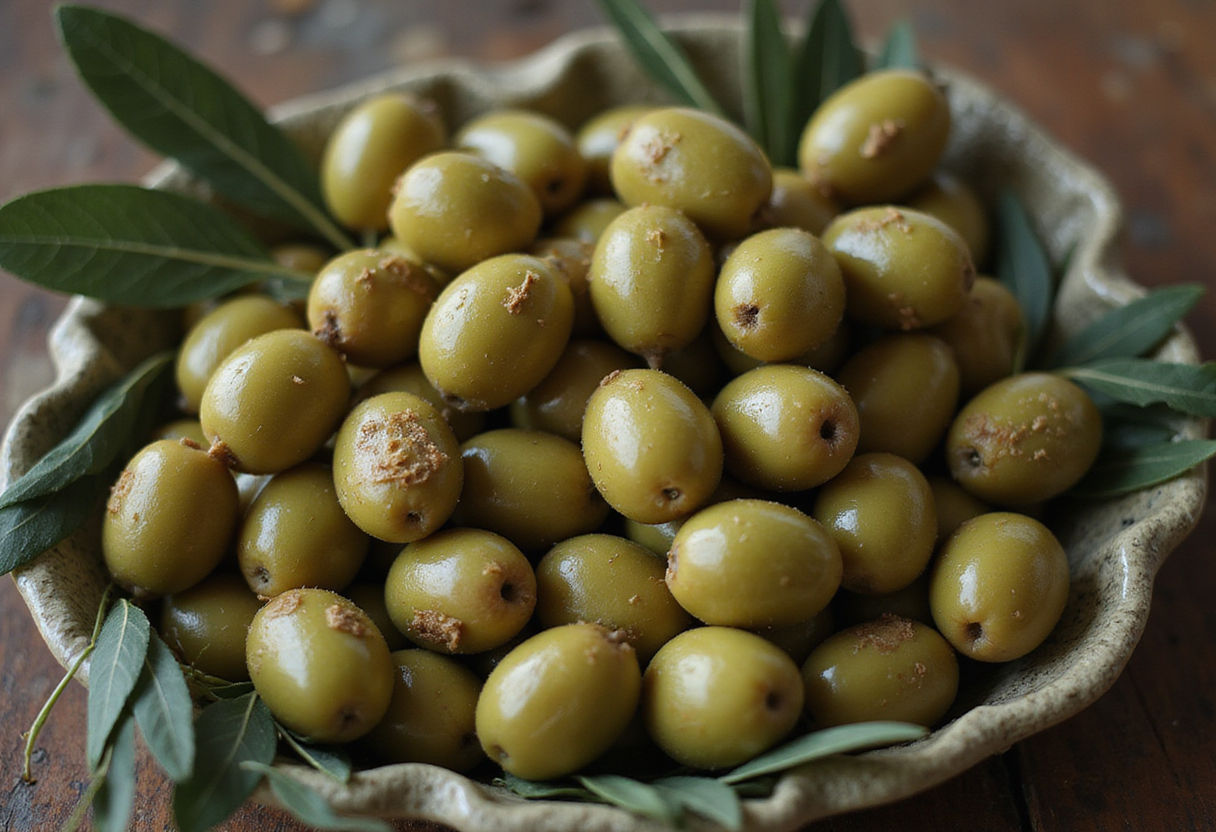
Eating olive oil 15 minutes before glucose — rather than after it — reduced the early rise in blood sugar and slowed stomach emptying in mice, according to a new study published in the journal Diabetes (DOI: 10.2337/db26-0531).
The finding matters because sharp postmeal spikes in blood glucose are a key treatment target in diabetes. Earlier clinical studies had already hinted that eating vegetables, protein or fat before carbohydrates can soften those spikes, making meal sequencing an attractive, low-burden dietary strategy. But the underlying biology — which hormones and nerves actually drive the effect — has remained unclear.
An international research team led by Daisuke Yabe of Kyoto University set out to fill that gap by testing how the timing of fat intake influences glucose levels, hormone secretion and gastric emptying.
"Our group has long been interested in practical dietary approaches that people can continue in everyday life," Yabe said. "Meal sequencing is appealing because it merely changes how a meal is eaten rather than requiring people to avoid entire food groups."
How did the researchers test meal order?
The team fasted mice overnight and then split them into three groups:
- Water followed by glucose
- Olive oil followed by glucose 15 minutes later
- Glucose followed by olive oil 15 minutes later
After feeding, the researchers measured blood glucose along with several hormones that regulate it: insulin, glucagon, GIP and GLP-1. GLP-1 belongs to a family of gut hormones called incretins, which signal the body to lower blood glucose after a meal. To gauge how quickly the stomach emptied, the scientists gave the mice acetaminophen and tracked its appearance in the blood — a standard proxy for gastric emptying rate.
The team then repeated the experiments in mice with type 2 diabetes, in mice lacking the GLP-1 receptor, and in animals whose glucagon or GLP-1 signaling had been chemically blocked. They also ligated — surgically tied off — the subdiaphragmatic vagus nerve, the main neural line between the gut and the brain, and they tested dietary fats other than olive oil to make sure the response was not unique to one oil.
What did the fat-first approach do?
Fat before glucose produced three coordinated effects: it reduced the early surge in blood glucose, slowed gastric emptying, and boosted early secretion of glucagon, GIP and GLP-1. Crucially, mice with type 2 diabetes and severe insulin deficiency showed the same benefits.
The hormone-blockade experiments revealed a subtler picture. Blocking glucagon signaling alone did not weaken the glucose-lowering effect of the olive oil preload. Blocking GLP-1 alone did not either. Only combined inhibition of both pathways blunted it — meaning the two hormone systems appear to back each other up, working in a partially redundant way.
One result ran against textbook expectations. Glucagon is best known for raising blood glucose, yet the study found that glucagon signaling actually contributes to the glucose-lowering response when fat precedes sugar. The vagus nerve ligation experiments suggested that these gut-brain nerve pathways also play a role in producing the effect.
Why is this only a first step?
The results come entirely from mice, so they cannot be applied directly to human diets yet. Rodent metabolism, meal sizes and eating patterns differ from ours, and a 15-minute gap between oil and glucose is easier to control in a lab cage than at a dinner table. Whether the same glucagon–GLP-1 cooperation and vagal signaling operate in people eating mixed meals remains an open question.
Still, by supplying a physiological explanation for why nutrient order shapes postmeal glucose, the study strengthens the rationale for formal meal-sequencing trials in humans — both in people with diabetes and without it.
"Our findings suggest that the order in which nutrients reach the gut can engage a coordinated hormone-nerve response that changes how quickly the stomach delivers glucose to the intestine," Yabe said.
In short: the order on the plate may matter as much as what is on it — but confirming that in people is the next experiment.
via Medical Xpress (Source)
More from Marcus Bennett
Nearby plates
- Very Low Carb Diets Show Health Benefits in Children with Type 1 Diabetes
- Diet and Exercise Reverse Early-Onset Type 2 Diabetes in Half of Cases
- Two-Year Trial Finds Diet Drinks Match Water for Weight Management
- Heart-Healthy Eating Shifts Focus from Nutrients to Whole Diet
- Mediterranean-Style Diets Show Brain Benefits—But Only in Snapshot