Plate Nº 68 · recorded October 10, 2026
Health & Medicine ResearchReported finding
Pomegranate Compound Boosts Heart Function by Up to 80% in Study
King's College London researchers found urolithin A, made after eating pomegranates, improved heart function by up to 80% in animal models of a hard-to-treat heart failure.
By Marcus Bennett4 min read830 words
In brief
- Urolithin A improved measures of heart function by up to 80% in animal models of heart failure.
- The study, published in Science Advances on September 28, 2026, was funded by the British Heart Foundation.
- Heart failure with preserved ejection fraction affects nearly half a million people in the UK and accounts for roughly half of all heart failure cases.
- The compound activates the protein PKGIα, a newly identified therapeutic target for heart relaxation.
- All benefits so far were seen in animals and engineered human tissue; clinical trials in people are still needed.
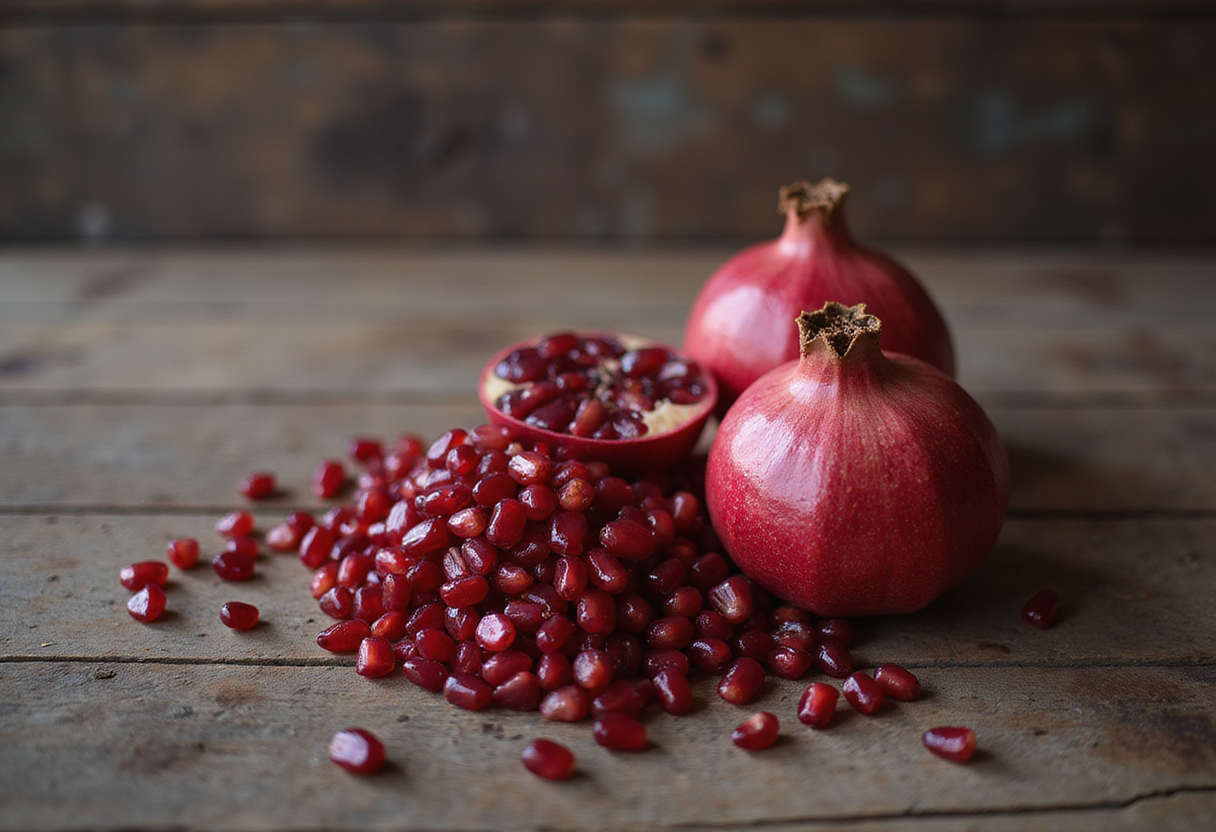
A natural compound the body produces after eating pomegranates improved measures of heart function by as much as 80% in laboratory models of a difficult-to-treat form of heart failure, researchers at King's College London reported in Science Advances on September 28, 2026.
The compound, called urolithin A, helped stiff heart tissue relax, reduced harmful scarring, and limited abnormal enlargement of the heart in animal models. It also improved relaxation in engineered human heart tissue grown from stem cells.
The British Heart Foundation funded the work.
What condition does the study target?
The research focuses on heart failure with preserved ejection fraction, or HFpEF. In this condition, the heart can still pump blood effectively, but it becomes too stiff to relax properly between beats. That stiffness makes it harder for the heart to fill with blood.
Nearly half a million people in the UK live with this form of heart failure, and it accounts for roughly half of all heart failure cases. Symptoms include shortness of breath, fatigue, reduced ability to exercise, and a poorer overall quality of life.
Treatment options remain limited. Aging, high blood pressure, and diabetes can all contribute to the disease, and it varies considerably between patients. Because the heart continues to pump normally, many traditional heart failure drugs work poorly. Clinicians instead tend to manage the underlying conditions and recommend lifestyle changes such as weight loss and better blood sugar control.
Dr. Joseph Burgoyne, the study's senior author at King's College London, said: "This type of heart failure is becoming increasingly common as populations age and rates of obesity and diabetes rise. Despite its growing burden, treatment options remain limited because the disease is complex and varies considerably between patients."
How does urolithin A affect the heart?
Urolithin A is produced in the body after eating foods including pomegranates, walnuts, and some berries. Scientists have grown interested in it recently because of its links to healthy aging and mitochondrial function — the process cells use to generate energy.
For the first time, the researchers showed that urolithin A activates a protein called PKGIα. This protein plays an important role in blood vessel function and the relaxation of heart muscle. The compound acts on a specific amino acid within the protein, triggering a pathway associated with cardiovascular benefits.
In animal models, treatment with urolithin A improved measures of heart function by up to 80% compared with untreated models. In laboratory experiments, the compound:
- increased the heart tissue's ability to relax;
- reduced fibrosis, the harmful scarring that interferes with normal heart function;
- limited enlargement of heart muscle cells, helping them maintain more normal function.
Did the compound work in human tissue?
The team also tested urolithin A in engineered human heart tissue created from human stem cells. This laboratory model closely mimics the structure and function of real human heart muscle.
Urolithin A significantly improved relaxation in the engineered tissue. That result suggests, but does not prove, that the effects seen in animals could translate to human hearts.
Unlike many compounds explored as experimental treatments, urolithin A has already been studied in humans and has shown a favorable safety profile — a practical advantage if it moves toward clinical use.
Burgoyne said: "This type of heart failure remains one of the most challenging forms of heart disease to treat. Our findings identify a completely new therapeutic target and show that urolithin A can activate this pathway to improve heart relaxation and reduce disease severity. This raises the exciting possibility of developing new treatments that improve clinical outcomes and quality of life for people living with the condition."
Should you eat more pomegranates?
Not on the basis of this study. Burgoyne cautioned: "While there isn't enough evidence to suggest that people should eat pomegranates to treat heart failure, these findings raise the possibility that dietary approaches that enhance urolithin A production may help alleviate this condition."
Professor James Leiper, Director of Research at the British Heart Foundation, echoed that caution: "While these findings are promising, the benefits have so far been seen in animals and engineered human tissue, so clinical trials involving people are needed to test if this approach is effective for patients. In the meantime, a healthy, balanced diet remains one of the best ways to look after your heart. Eating plenty of fruit and vegetables is linked to better heart health, but it's important to remember that no single food can prevent or treat heart disease on its own."
What happens next?
More research is required before the findings can become treatments. The study's key limitations are clear: the 80% improvement appeared in animal models, and the human evidence comes from engineered tissue, not from patients.
Even so, the results point to two things cardiovascular medicine currently lacks for HFpEF — a promising new therapeutic target in PKGIα, and a naturally derived compound already shown to be safe in humans. Clinical trials in people will decide whether the promise holds.
via dx.doi.org (Original)
More from Marcus Bennett
Nearby plates
- Blocking One Enzyme Cut Heart Scarring in Mice — Even a Week After Attack
- Heart Failure Deaths Double in Younger and Middle-Aged Americans
- Japanese Hospital Performs World-First Surgery With iPS Heart Cells
- AstraZeneca and Ionis Heart Drug Fails Major Study
- Newly discovered cell type helps shape heart blood vessel growth