Plate Nº 92 · recorded October 16, 2026
PhysicsReported finding
Princeton Lab Claims a Cheaper Path to Igniting Star Power
PPPL scientists claim a shortcut that could slash the energy needed for fusion ignition. The claim is striking — and the published details, so far, are thin.
By James Calloway3 min read624 words
In brief
- Scientists at DOE's Princeton Plasma Physics Laboratory (PPPL) identified a potentially much more efficient route to nuclear fusion.
- The approach could dramatically cut the energy required to reach ignition — the point where fusion yields more energy than it consumes.
- No energy figures, named experiments, or publication details appear in the material released so far.
- Fusion replicates the process that powers the Sun by merging hydrogen nuclei in superheated plasma.
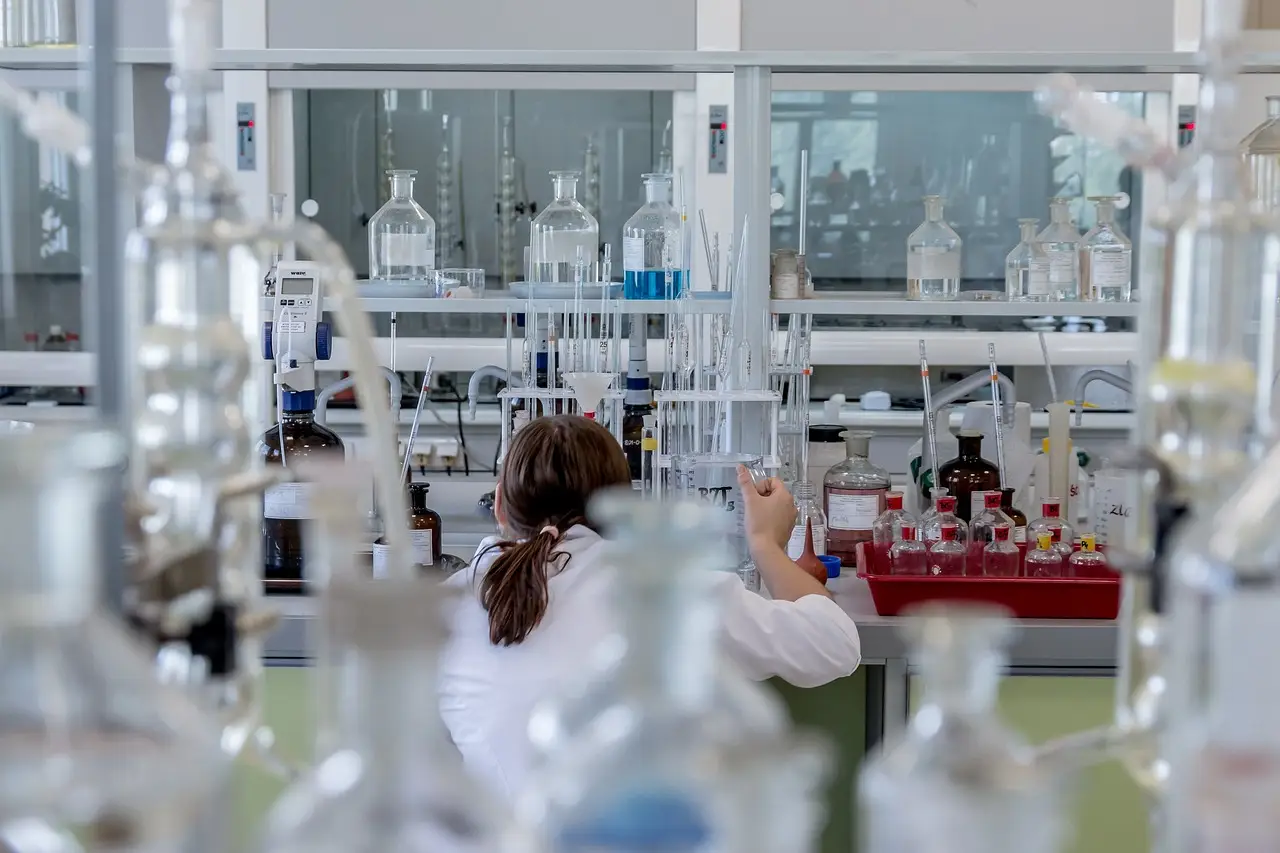
Scientists at the U.S. Department of Energy's Princeton Plasma Physics Laboratory (PPPL) say they may have found a surprisingly efficient shortcut to nuclear fusion — the process that powers the Sun — one that could dramatically cut the energy needed to ignite it.
That's the claim. The announcement is real, the lab is real, and the ambition is familiar. What's missing, at least in the material released so far, is the number that matters most: how much less energy, measured against what baseline, verified by whom. Hold that thought. We'll get to it.
What is fusion, and why the shortcut matters
Fusion is the reaction that keeps the Sun burning. Hydrogen nuclei slam together at extreme temperatures, fuse into heavier elements, and release enormous energy. On Earth, engineers want to replicate that in reactors, using superheated electrically charged gas called plasma.
The catch has always been the ledger. Getting plasma hot enough and stable enough to sustain fusion currently costs more energy than the reaction gives back. Every credible "shortcut" claim is really a claim about improving that balance sheet.
The PPPL team says their newly identified approach could be a much more efficient route to what physicists call ignition — the point where a fusion reaction becomes self-sustaining and produces more energy than it consumes.
What does this actually change?
Here's the practical question, and the honest answer is: not much yet, for you or for the grid. No reactor design has been rebuilt. No timeline has been announced. What exists is a research finding — potentially a significant one — from one of the world's leading plasma physics institutions, which is operated by the DOE.
That pedigree counts for something. PPPL has spent decades in the trenches of fusion science, and it doesn't put its name on casual speculation. But pedigree isn't proof.
What the announcement doesn't say
This is where the skeptic's notebook comes out. The public description of the work, as distributed so far, is brief. It names no specific experiment, no energy measurements, no peer-reviewed publication, and no independent replication.
Until those details appear, several questions stay open:
- How large is the efficiency gain, exactly?
- Does it apply to tokamaks — the donut-shaped reactors PPPL classically studies — stellarators, laser-based systems, or something else entirely?
- Has the result been tested in hardware, or only in simulation and theory?
- When and where will the full findings be published?
None of this means the claim is wrong. It means the claim is early. Fusion has a long history of promising shortcuts that shrank under scrutiny, and an equally long history of genuine incremental wins that never made headlines. Time sorts them out.
A pattern worth knowing
The fusion field has been quietly accelerating. National labs and private companies alike have racked up real milestones in recent years, from record-energy fusion shots to longer-lived plasma confinement. Each advance narrowed the gap between what goes in and what comes out.
A finding from PPPL on reducing the energy needed for ignition fits that pattern. It could be another brick in a very tall wall. Or, if the efficiency gain is as large as "dramatically cut" suggests, it could be a load-bearing beam.
We can't tell which yet. The released material doesn't say.
The bottom line
PPPL researchers believe they've spotted a more efficient path to the reaction that lights the Sun. The claim deserves attention precisely because of who's making it. It deserves patience because of what hasn't been shown.
Watch for the follow-up: a published paper, named experiments, hard numbers. Fusion has burned optimists before. The Sun doesn't hurry, and neither should the evidence.
via google.com (Original)
More from James Calloway
Show full bio
Staff writer covering regulation, policy and their impact on general science news at SciBeat.
238 articles
Nearby plates
- Heating Before Squeezing May Cut Fusion Energy Needs
- Princeton AI Predicts Fusion Plasma Instabilities 200 Milliseconds Early
- Real-Time Oxygen Sensing Exposes Hidden Losses in Solar Water Splitting
- Iodide Coating on Platinum Boosts Solar Hydrogen Output
- DOE Budget Proposal Boosts Supercomputers, Cuts Research Funding