Plate Nº 57 · recorded October 18, 2026
Health & Medicine ResearchReported finding
Red Meat Sugar Linked to 63% Higher Type 2 Diabetes Risk
Adults with the highest intake of Neu5Gc, a sugar in beef and lamb, faced a 63% higher type 2 diabetes risk in a French study of 89,953 people tracked for 7.2 years.
By Marcus Bennett4 min read837 words
In brief
- Highest Neu5Gc intake linked to 63% higher type 2 diabetes risk; second-highest group showed 41% higher risk.
- Study followed 89,953 French adults for a median of 7.2 years, recording 966 new diabetes cases.
- Obesity explained only about 13% of the observed association.
- Findings presented October 18, 2026, at the EASD Annual Meeting in Milan.
- Dairy-derived Neu5Gc showed no association with increased diabetes risk.
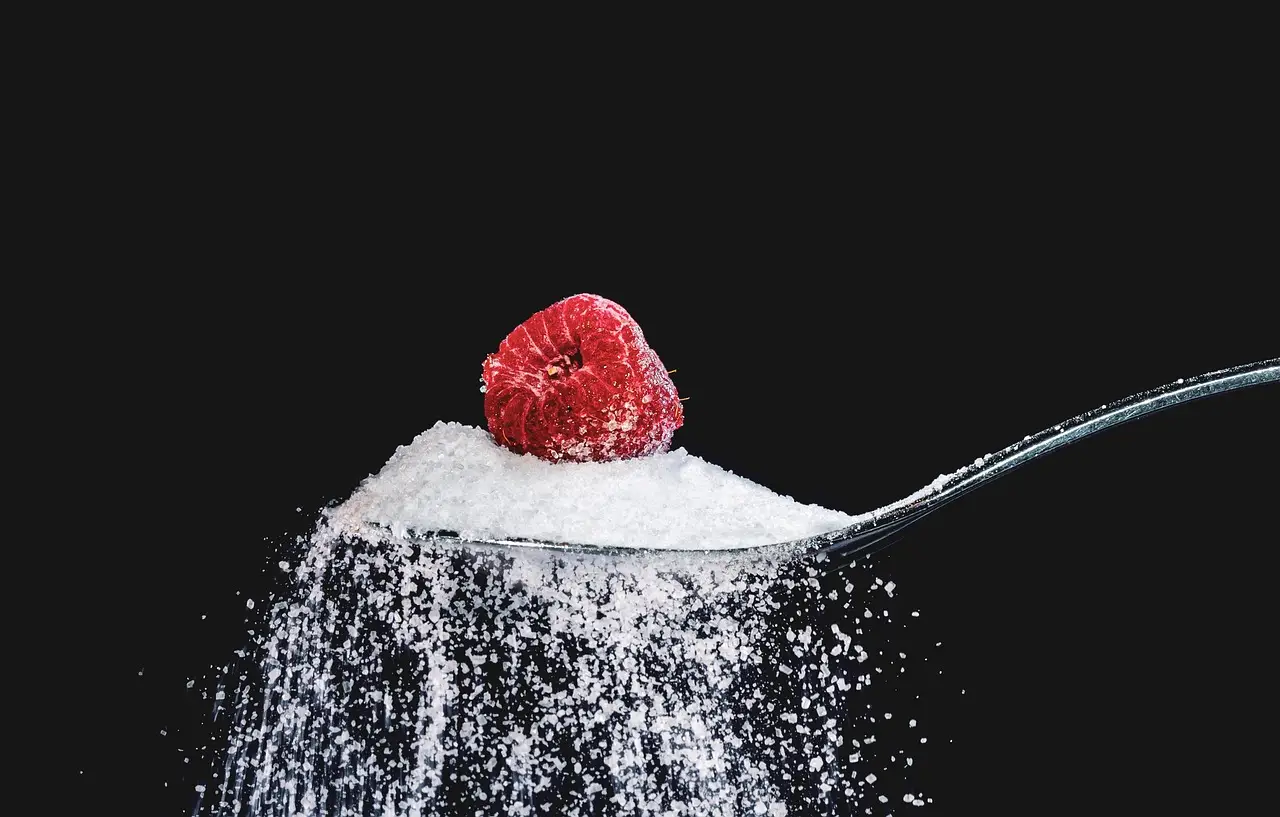
Adults who consumed the most Neu5Gc, a sugar naturally present in beef and lamb, had a 63% higher risk of developing type 2 diabetes than those who consumed the least, according to preliminary findings presented at the European Association for the Study of Diabetes (EASD) Annual Meeting in Milan on October 18, 2026.
The observational study tracked 89,953 adults in France for a median of 7.2 years and recorded 966 new cases of type 2 diabetes. Researchers suspect the sugar may trigger chronic inflammation, offering a possible explanation for the known link between red meat and diabetes that goes beyond weight gain.
What did the study actually find?
Researchers led by Dr. Leopold Fezeu of the Université Sorbonne Paris Nord, Bobigny, analyzed data from NutriNet-Santé, a large French study that follows participants over time to examine how nutrition and lifestyle influence health. Participants averaged 42 years old; 79% were women. None had type 2 diabetes or cancer at enrollment.
Each participant completed three 24-hour dietary records. The team used a validated food database to estimate Neu5Gc intake from the measured sugar content of different foods, then ranked participants by sex into five equally sized intake groups.
The risk pattern was clear at the top of the scale:
- Q5 (highest intake): 63% greater diabetes risk (hazard ratio 1.63, 95% CI 1.29–2.06)
- Q4: 41% greater risk (hazard ratio 1.41, 95% CI 1.11–1.77)
- Q2 and Q3: no statistically significant increase
Men in the highest group ate a median of 97 grams of red meat daily (136 grams including processed meat); women ate 73 grams (96 grams). In the lowest group, men ate 5 grams and women ate none. The estimates accounted for age, sex, exercise, overall diet quality, smoking, and existing health conditions.
Takeaway: risk rose with intake and became statistically significant only at the two highest consumption levels.
Why might a sugar cause inflammation?
Neu5Gc is produced naturally by most mammals, but humans lost the ability to make it after an ancient mutation in the CMAH gene. The sugar still enters the body through food — mainly red meat, with smaller amounts in dairy.
After absorption, the body can incorporate Neu5Gc into its own tissues. Because humans do not produce it, the immune system may flag it as foreign. Scientists call it a xeno-autoantigen: a foreign substance built into body tissues that can provoke an immune reaction.
The immune system responds by producing antibodies against Neu5Gc. The resulting prolonged immune activity, termed xenosialitis, has previously been linked to cardiovascular disease and cancer. Researchers suspect this persistent inflammation could also damage insulin-producing cells or tissues that respond to insulin — but no large prospective study had tested this before.
"Our findings support chronic inflammation as a specific mechanism linking red meat consumption with T2D, partly beyond the amount of red meat a person eats and partly independent of body fat," Dr. Fezeu said.
Takeaway: the proposed mechanism is immune reaction to a sugar the human body cannot make itself.
How much does body weight explain?
Obesity accounted for only about 13% of the association between meat-derived Neu5Gc and type 2 diabetes, according to the researchers' estimates. The link weakened after body mass index was considered but remained statistically significant.
This suggests factors unrelated to excess weight may drive much of the observed connection. Still, the study cannot confirm that inflammation is the mechanism; additional research is required.
Why did dairy behave differently?
Despite containing Neu5Gc, dairy products showed no association with increased diabetes risk. The researchers attribute this to the much smaller amounts of Neu5Gc in cow's milk compared with beef and lamb.
When the researchers counted Neu5Gc from all dietary sources combined, the highest intake group had a 37% greater diabetes risk — weaker than the meat-only figure, indicating red meat drove the association.
"The association between Neu5Gc and T2D may depend on its dietary source, with meat-derived Neu5Gc showing a stronger association with T2D risk than total dietary Neu5Gc," Dr. Fezeu said. "There may be differences between sources, or other components of red meat may contribute."
What are the limitations?
The findings carry important caveats:
- The results are preliminary and not yet validated; estimates could change in the final analysis.
- The observational design cannot prove Neu5Gc causes diabetes.
- When the analysis accounted for total red meat consumed, the association weakened and lost statistical significance — so the sugar itself may not be responsible.
- Neu5Gc intake was estimated from food records, not measured directly, and dietary changes during follow-up were not captured.
The team plans to study how Neu5Gc interacts with other red meat components, including heme iron, and to directly measure anti-Neu5Gc antibodies in large cohorts to test the xenosialitis mechanism in humans.
Dr. Fezeu suggested future research should explore whether favoring poultry or plant-based proteins over beef and lamb — the meats highest in Neu5Gc — could help prevent type 2 diabetes.
The study offers a plausible new mechanism, not a verdict.
via ScienceDaily: Health & Medicine (Source)
More from Marcus Bennett
Show full bio
News editor covering regulation, policy and their impact on general science news at SciBeat.
260 articles
Nearby plates
- Very Low Carb Diets Show Health Benefits in Children with Type 1 Diabetes
- Diet and Exercise Reverse Early-Onset Type 2 Diabetes in Half of Cases
- Eight Common Food Preservatives Linked to Heart Disease Risk
- Moving Out of Poverty Cuts Type 2 Diabetes Risk by Up to 57%
- Strict blood sugar targets may quietly erode daily well-being