Plate Nº 81 · recorded November 2, 2026
Health & Medicine ResearchReported finding
Salt-Cutting Alone Won't Fix Blood Pressure, Experts Argue
A new peer-reviewed report argues potassium deserves equal emphasis with sodium cutting for blood pressure control, affecting guidance for 1.28 billion adults with hypertension.
By James Calloway4 min read733 words
In brief
- Hypertension affects more than 1.28 billion adults worldwide and is a major risk factor for heart attacks and strokes.
- The report, published November 2, 2026 in the American Journal of Clinical Nutrition, calls for equal emphasis on potassium intake and sodium reduction.
- Potassium intake remains 'far below optimal levels in both developed and developing nations' despite sodium-focused campaigns.
- Potassium salt substitutes can address both goals at once, but excess amounts cause a metallic taste.
- People with kidney disease or on certain medications need medical guidance before increasing potassium.
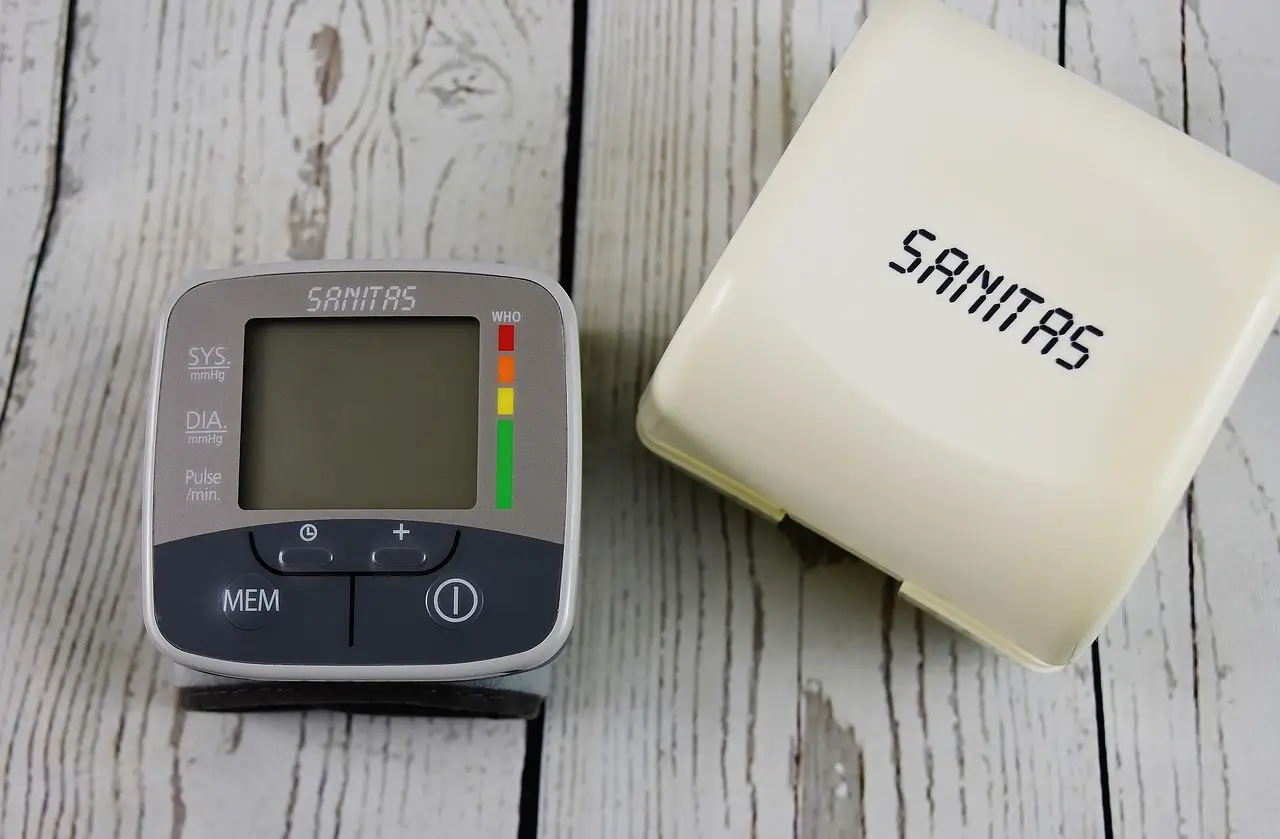
More than 1.28 billion adults live with high blood pressure worldwide, and a new peer-reviewed report argues that decades of dietary advice has been giving roughly half of them the wrong emphasis. Cutting salt matters, the authors say — but adding potassium to the diet may matter just as much.
The report, published in the American Journal of Clinical Nutrition and dated November 2, 2026, comes from physicians and health experts led by Naomi Fukagawa, M.D., Ph.D., professor of medicine emerita at the University of Vermont's Robert Larner, M.D. College of Medicine. The project was supported by the IAFNS Sodium in Food and Health Implications Committee — a food-industry-linked backing worth noting when you weigh the conclusions.
"It is time to view dietary interventions holistically because food components interact and physiology is integrative across systems," Fukagawa said. "Growing evidence shows that increasing dietary potassium as well as reducing sodium intake work together to better manage hypertension."
That's the core claim. Let's unpack the mechanism behind it.
Why do sodium and potassium work as a pair?
Both minerals are essential; both regulate fluid balance, nerve signaling, and muscle function. They just pull in opposite directions on blood pressure.
Excess sodium makes the body retain fluid, which raises pressure inside blood vessels. Potassium helps the kidneys flush that excess sodium out through urine, and it also supports the normal functioning of blood vessel walls — the flexibility that keeps pressure in a healthy range.
So the two are not independent dials. They interact. And that, the authors argue, is exactly what current guidelines miss.
What's wrong with the salt-only approach?
Plenty, according to the data the report surveys. Despite years of public health campaigns, average sodium consumption still exceeds recommended levels. Potassium intake, meanwhile, sits "far below optimal levels in both developed and developing nations," the authors write.
That's a double failure. People eat too much of the mineral that pushes pressure up and too little of the one that helps pull it down. A strategy built almost entirely on telling people what to eat less of, the researchers suggest, has overlooked the chance to tell them what to eat more of.
The report goes beyond the science. The team examined the evidence behind current sodium and potassium recommendations, practical ways to shift both intakes, the obstacles to doing so, and where new research and updated public health policy could improve outcomes.
Their conclusion, in their own words: "dietary sodium reduction is a foundational strategy for hypertension prevention and management. However, new evidence supports a broadening of the current approach that focuses solely on sodium reduction and provides equal emphasis on increasing potassium intake."
Note what they did not say. They didn't call for abandoning salt reduction. Sodium cutting stays foundational. The proposal is an expansion, not a reversal.
How would you actually get more potassium?
The good news: no exotic shopping list is required. Potassium occurs naturally in familiar foods:
- bananas
- potatoes
- beans and other legumes
- leafy greens
- yogurt and other dairy
There's also a technological route: replacing some ordinary table salt — sodium chloride — with potassium salts. A single swap cuts sodium and raises potassium at the same time, hitting both targets at once.
But it isn't simple. Too much potassium salt produces a metallic taste, which limits how much manufacturers can use before consumers reject the product. Food companies have to balance nutrition against flavor, and that balance is where reformulation often stalls.
And a real caveat follows the promise. Increasing potassium is not safe for everyone. People with kidney disease, and those on certain medications, can struggle to regulate potassium levels — and excess potassium is dangerous. Anyone in those categories should use potassium supplements or potassium-based salt substitutes only with medical guidance.
What does this change for the average person with high blood pressure?
Right now, nothing official. This is one report calling for a rethink, not a revised guideline. The authors themselves flag areas needing additional research and policy work.
What it does signal is direction. For a condition affecting more than one billion people and driving heart attacks and strokes, future dietary advice may stop fixating solely on the salt shaker. Better blood pressure control, the underlying message runs, depends not just on what you remove from your plate — but on what you put on it.
via dx.doi.org (Original)
More from James Calloway
Show full bio
Staff writer covering regulation, policy and their impact on general science news at SciBeat.
267 articles
Nearby plates
- Eight Common Food Preservatives Linked to Heart Disease Risk
- Heart-Healthy Eating Shifts Focus from Nutrients to Whole Diet
- Too Little Salt May Harm Memory Just as Much as Too Much
- Four to Six Servings of Whole Grains Daily May Protect the Heart
- Identical Labels, Different Bodies: Processing Alone Changes Metabolism