Plate Nº 48 · recorded November 10, 2026
Health & Medicine ResearchReported finding
Sewers could detect deadly fungal infections before hospitals do
A review argues sewers could reveal deadly fungi: C. auris showed up in 79% of Nevada wastewater samples and in one U.K. hospital ward, but detection still falls short of prediction.
By Priya Raman4 min read799 words
In brief
- Fungal infections kill around 2.5 million people worldwide each year, more than tuberculosis and malaria combined.
- C. auris was first identified in a patient's ear in Japan in 2009 and now resists several antifungal drugs.
- Researchers detected C. auris in 79% of wastewater samples over a 10-week study in southern Nevada.
- In Florida, 47% of hospital wastewater samples tested positive for C. auris, against 16% at treatment plants farther downstream.
- U.K. laboratories have only been required to report C. auris since 2025.
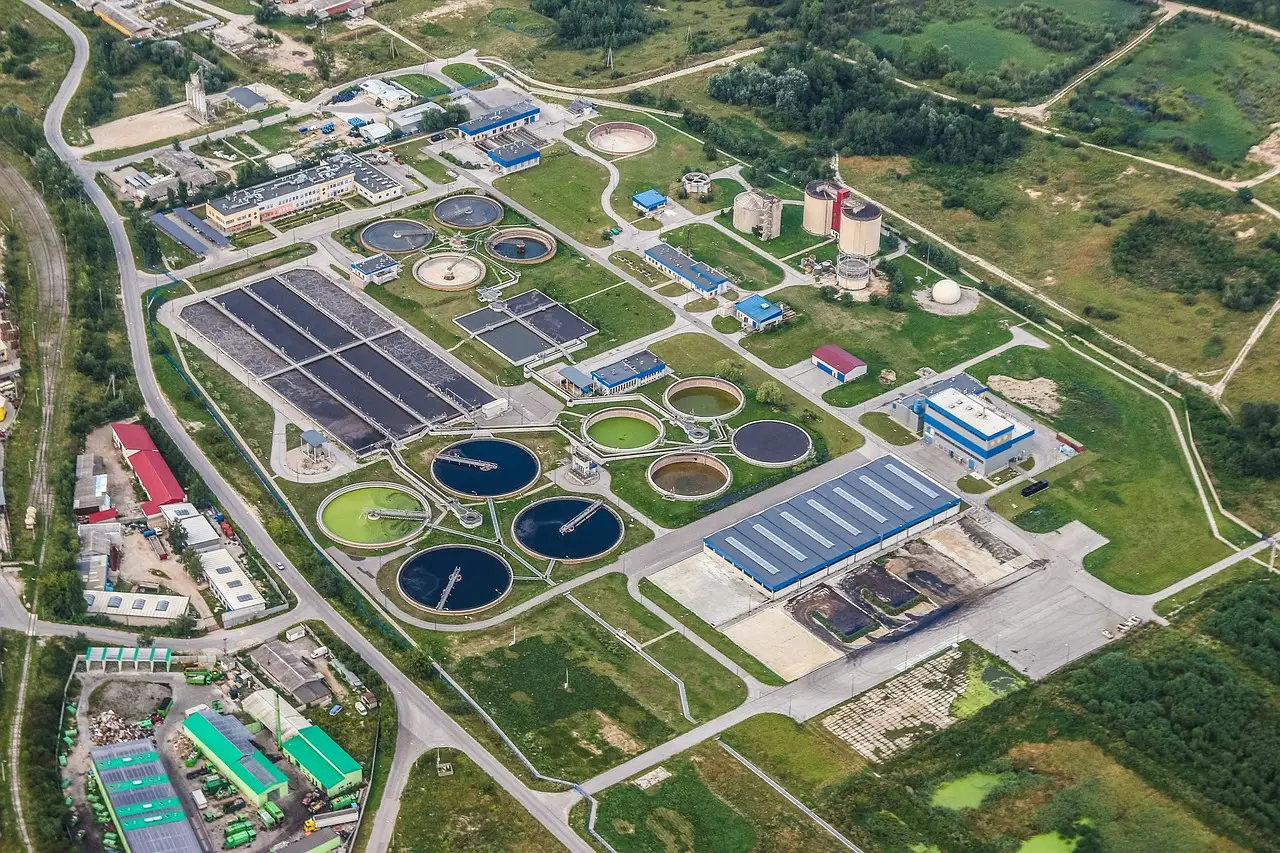
Fungal infections kill around 2.5 million people worldwide each year, more than tuberculosis and malaria combined, and a recent review argues that the best place to hunt the responsible fungi may be a sewer.
In one British hospital, during an outbreak, the yeast Candida auris turned up in the wastewater leaving a single ward. The authors of the review, published in The Conversation, put it plainly: "one of the best places to start looking for these fungal pathogens is the sewer."
That proposal matters because the fungi that kill people remain largely invisible to public health systems. The World Health Organization has compiled a list of priority fungal pathogens it says urgently need better surveillance, and in the United Kingdom laboratories have only been required to report C. auris since 2025.
Why do hospital monitors miss fungi?
The review identifies three obstacles.
- Fungi get treated as a secondary concern. Unlike flu or norovirus, fungal infections rarely resemble an outbreak. Clinicians and health officials tend to read them as a complication of an existing illness, such as cancer treatment, an organ transplant or a stay in intensive care, rather than as a public health threat in its own right.
- Biology hides the spread. Many people carry fungi such as Candida on their skin or in their gut for months or even years without feeling ill, and they shed the organism throughout. Hospital testing picks up only the minority who become seriously ill, so the true extent of transmission goes unmeasured.
- Tests lack power and funding. Fungal diagnostic tests remain limited, and little commercial incentive exists to improve them. Laboratories often do not identify common yeasts down to the species level, so a drug-resistant strain can pass unnoticed.
What has wastewater testing found so far?
Wastewater offers a simple advantage: everyone uses the toilet, whether they are ill or not, and whether or not they ever see a doctor. That makes sewage a snapshot of a whole community rather than a sample of the sickest few.
The precedent comes from COVID-19, when levels of virus in sewage rose four to 14 days before confirmed case counts did. For fungi the evidence is thinner, and nearly all of it concerns C. auris, a yeast first identified in a patient's ear in Japan in 2009 and now spreading worldwide.
- In southern Nevada, researchers found C. auris in 79% of wastewater samples over 10 weeks, with detections more frequent in areas served by health care facilities.
- In Florida, 47% of hospital wastewater samples tested positive, compared with 16% at treatment plants farther downstream.
- In a U.K. hospital, the fungus appeared in the wastewater from one particular ward during an outbreak.
What can sewage not tell us?
These studies show only that the fungus can be detected. They do not show that sewage readings can predict an outbreak, and nobody yet knows how much of the fungus each person sheds, so a reading cannot be converted into a number of patients. The evidence also comes almost entirely from C. auris; recent work that recovered several disease-causing yeasts from wastewater suggests the approach could extend further.
Two technical limits constrain the method. Genetic tests detect fungal DNA but cannot show whether the organism is alive or drug-resistant, and because many Candida species live harmlessly in people, finding one alone says little. Culturing the samples in the laboratory will be needed as well. And some fungi, such as Aspergillus, are inhaled rather than passing through the gut, so sewage may not reflect those infections at all.
Why might the fungus persist outside hospitals?
Wastewater treatment does not remove every pathogen, and storm overflow pipes release untreated sewage directly into rivers and the sea. Researchers have found C. auris on remote beaches in India's Andaman Islands, which suggests it lived in the environment long before it reached hospitals. In Hong Kong's mangroves, every multidrug-resistant yeast the team recovered came from sites near wastewater treatment plants. Low levels of antifungal drugs reaching rivers and soil may favor resistant strains, a link that remains possible but unproven.
What would it take to put the system in place?
Wastewater monitoring would not replace hospital testing of individual patients. Its value lies in directing health services toward the places where they should look, particularly where testing people at scale is not feasible. For that, researchers need standardized methods, a measurement of how much fungus people shed, and agreed thresholds for what a sewage reading should trigger. The review's authors want wastewater data linked with hospital, animal and farm monitoring rather than standing alone.
The tools already exist, as the pandemic showed. What has been missing, the authors say, is "the will to prioritize fungi before the next resistant one outpaces us."
via phys.org/rss-feed/ (Source)
More from Priya Raman
Show full bio
Senior reporter covering people, launches and day-to-day practice in general science news at SciBeat.
342 articles
Nearby plates
- Scientists Find a Way to Kill a Drug-Resistant Deadly Fungus
- Candida auris thickens its wall during antifungal treatment
- FDA-Cleared Urine Test Detects Deadly Mold Infection Within Hours
- Farm Fungicides Keep Aspergillus Drug Resistance Alive, Study Finds
- Wastewater Bacteria Linked to Chronic Disease Rates in Ohio Study