Plate Nº 36 · recorded November 12, 2026
Health & Medicine ResearchReported finding
Strength training linked to less lean-tissue loss in weight-loss trial
In a 40-week trial of 120 adults on tirzepatide, three weekly resistance sessions were linked to about 25% less lean-tissue loss and roughly 10% higher strength than non-exercisers.
By Marcus Bennett3 min read659 words
In brief
- The University of Western Australia trial followed 120 men and postmenopausal women aged 50 to 70 for 40 weeks.
- All participants received tirzepatide; half also completed three resistance-training sessions each week.
- The training group lost 22.28 kg, compared with 22.61 kg in the non-training group.
- Average fat loss exceeded 17 kg in both groups.
- Training was linked to about 25% less lean-tissue loss and roughly 10% higher strength; non-training strength fell about 10%.
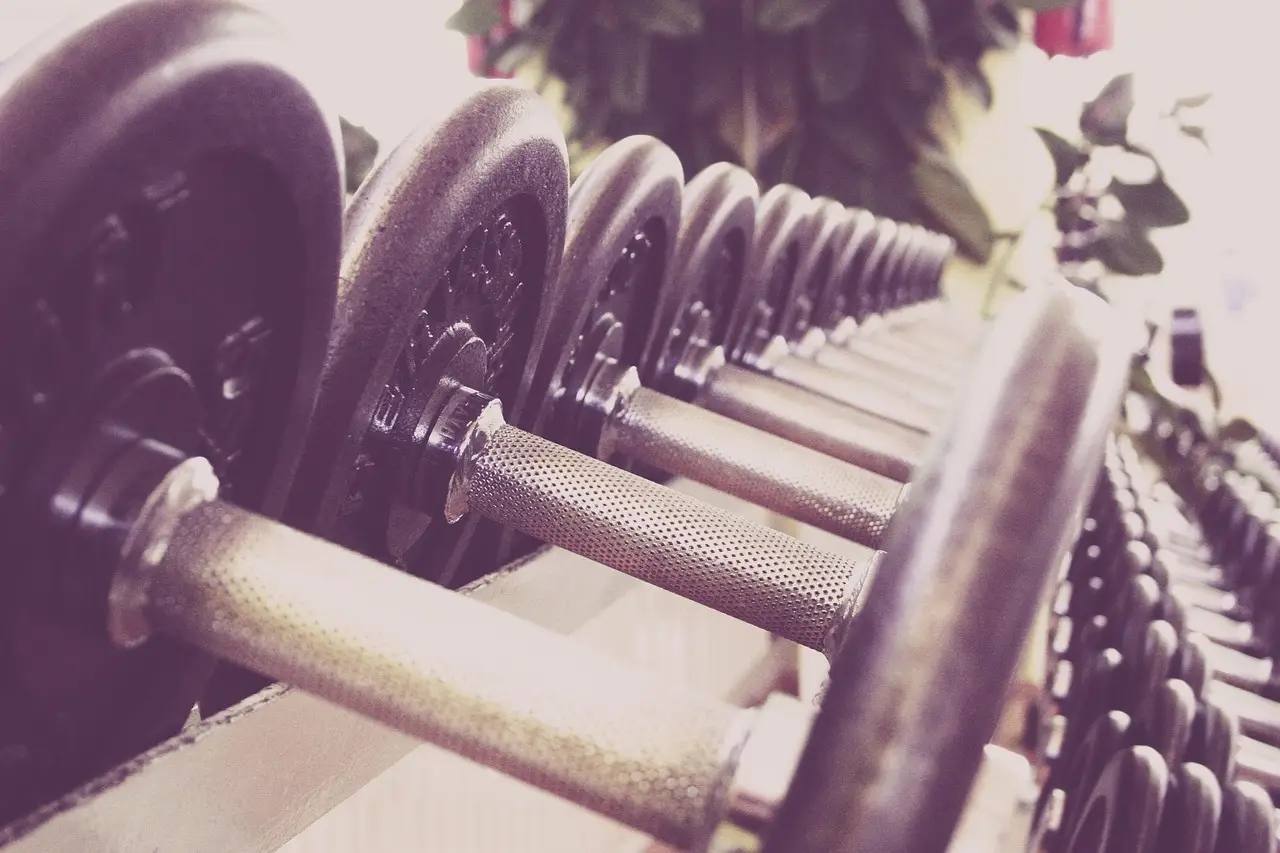
Participants who added three resistance-training sessions each week lost about 25% less lean tissue than those who did no resistance training in a 40-week tirzepatide trial. Their upper- and lower-body strength rose by around 10%, while strength in the non-training group fell by about 10%.
That result points to a practical measure of weight-loss treatment: whether a person becomes stronger and can keep moving, not only whether the scale number falls. The finding comes from researchers at the University of Western Australia and was published in Nature Medicine.
Medicines such as tirzepatide and semaglutide can help people lose substantial weight, but weight loss often includes some lean tissue as well as fat. Resistance training may change what people keep during that process.
What did the trial test?
The researchers studied 120 men and postmenopausal women aged 50 to 70. Participants had obesity, or were overweight with a related health condition. None had type 2 diabetes.
Every participant received tirzepatide for weight management. Over 40 weeks, half also completed three resistance-training sessions each week. Everyone received general advice about protein, fiber and hydration.
The design tested one practical question: whether adding planned strength work improves the physical result of tirzepatide-led weight loss.
How did weight loss and strength differ?
Both groups lost a large amount of weight, and average fat loss exceeded 17 kilograms in each group.
- Resistance-training group: 22.28 kilograms lost on average.
- Non-training group: 22.61 kilograms lost on average.
- Lean tissue: About 25% less lost by the resistance-training group.
- Strength: Upper- and lower-body strength rose by around 10% in the training group and fell by about 10% in the non-training group.
Those nearly identical weight-loss averages make the muscle and strength findings more useful. People can shed a similar amount of weight and still have a different physical result, depending on whether the program protects strength alongside the scale weight.
Why does preserving muscle matter?
Weight loss often removes some lean tissue as well as fat. Lean tissue includes muscle, bones, organs and water, so a lower weight does not automatically mean that muscle has been preserved.
Strong muscles help people climb stairs, carry shopping, rise from chairs and remain active as they age. Weight loss that leaves someone weaker may not deliver all the hoped-for benefits, including greater independence and continued activity.
For people taking weight-loss medicines such as tirzepatide or semaglutide, resistance exercise may therefore do more than support general fitness. It may help preserve the physical function that successful weight management should support.
What can resistance training add?
Resistance training can include lifting weights, using exercise machines or performing appropriately challenging body-weight movements. The best program depends on a person's age, fitness, health conditions and previous experience.
People who are new to strength training may benefit from professional guidance.
The practical takeaway is simple: weight-loss medication and strength training can work together rather than compete.
What does the trial leave unanswered?
The trial was relatively small and lasted 40 weeks. It cannot establish whether the strength gains will persist for years or whether resistance training will reduce future disability.
It also studied one age group and one medication. The sample included men and postmenopausal women aged 50 to 70, all taking tirzepatide, so results may differ in other populations or with semaglutide.
The findings therefore do not settle how people with type 2 diabetes, adults outside the studied age range or users of other weight-loss drugs will respond. Those groups were outside this trial's design.
Even with those limits, the results support a broader goal for weight management: reduce excess body fat while protecting physical function. Pursuing the lowest possible scale weight may be less useful if treatment leaves a person weaker.
For now, the clearest lesson is to judge weight-loss treatment by strength and everyday function as well as kilograms lost.
via knowridge.com (Source)
More from Marcus Bennett
Show full bio
News editor covering regulation, policy and their impact on general science news at SciBeat.
373 articles
Nearby plates
- Phase 2 trial tests apitegromab to protect muscle during tirzepatide weight loss
- Muscle-Sparing Antibody Halves Lean Mass Loss from Semaglutide
- HIIT Helps Older Adults Lose Fat While Keeping Muscle
- Amylin Drug Petrelintide Delivers Over 10% Weight Loss
- ATTAIN-MAINTAIN Trial Tests Orforglipron for Sustained Weight Loss