Plate Nº 69 · recorded October 10, 2026
Health & Medicine ResearchReported finding
Teen Health Visits Linked to Adult Chronic Pelvic Pain Risk
A study of nearly 500,000 Ontarians found 28% of those with teen reproductive health visits developed chronic pelvic pain by adulthood, versus 15% without.
By Elena Vasquez3 min read590 words
In brief
- CPP affected 28% of adults who had adolescent gynecologic care visits vs. 15% of those who did not.
- The rate of developing CPP was 41% higher among those with earlier reproductive health encounters.
- The study followed nearly half a million Ontarians using ICES health data.
- Published Oct. 6, 2026 in The Lancet Regional Health—Americas.
- Up to one in four people assigned female at birth experience chronic pelvic pain.
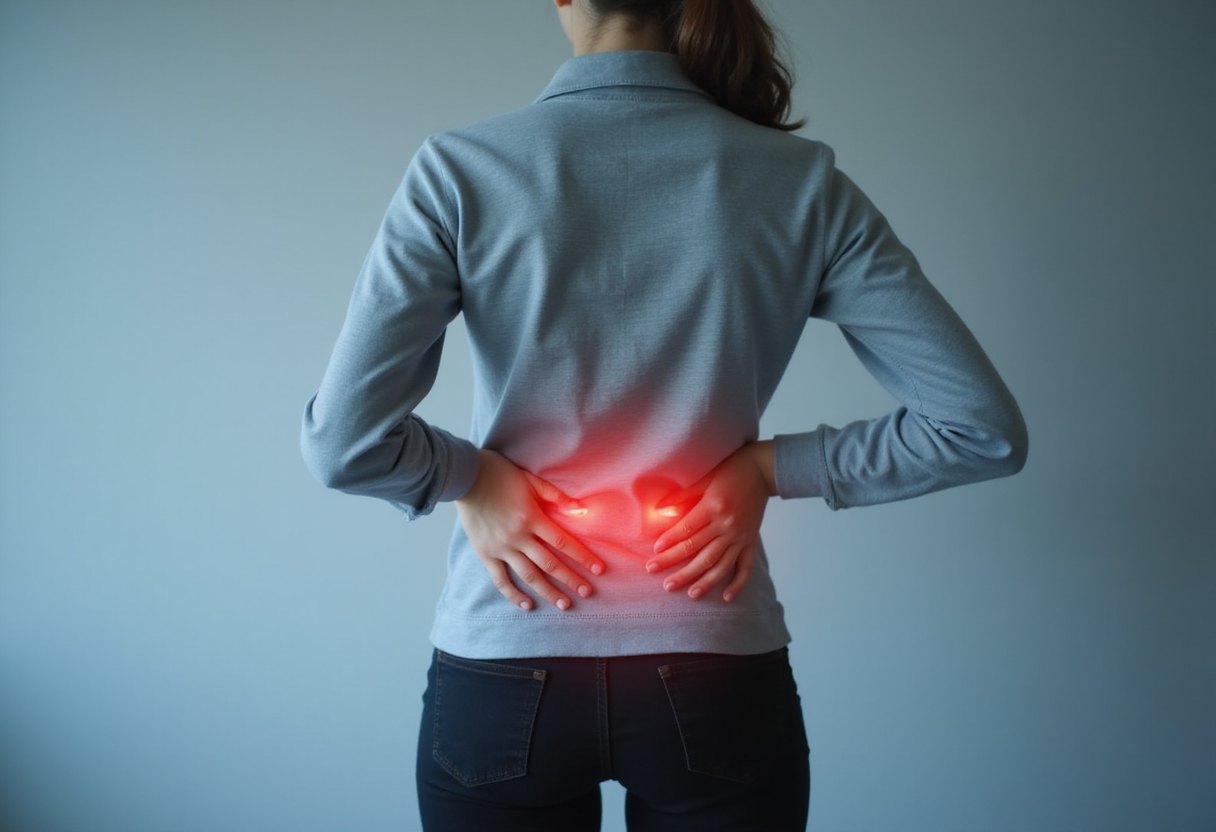
Ten years into adulthood, chronic pelvic pain affected 28% of people who had sought care for gynecologic or reproductive health problems as teenagers — nearly double the roughly 15% rate among those who had not, according to a new McMaster University study published Oct. 6, 2026 in The Lancet Regional Health—Americas.
The study of nearly half a million Ontarians suggests warning signs of chronic pelvic pain (CPP) may appear years before diagnosis. That gap, the researchers found, was already visible in early adulthood and grew over time.
What did the study find?
The research team used linked population-based health administrative data held at ICES, a non-profit research institute that houses Ontario health records. They followed individuals from adolescence into adulthood, working with collaborators from ICES Toronto, the University of Toronto and McGill University.
The headline results:
- By 10 years into adulthood, CPP affected 28% of those who had adolescent gynecologic or reproductive health care encounters, versus about 15% of those who had not.
- The rate of developing CPP was 41% higher among those with earlier gynecologic or reproductive health care encounters.
- The association held even after researchers accounted for other health problems and overall health care use during adolescence.
The study also found that adolescents with gynecologic or reproductive health care encounters were more likely to develop gastrointestinal problems, mental health conditions and chronic pain elsewhere in the body.
"We asked a simple question: Were there signs, years earlier, that someone was on a path toward chronic pelvic pain? This study shows that indeed the gap between those affected by CPP was already visible early in adulthood and grew over time," said lead author Shay Freger, a Ph.D. candidate with McMaster's Department of Obstetrics and Gynecology.
What is chronic pelvic pain?
CPP is a debilitating condition affecting up to one in four people assigned female at birth and gender-diverse people. It involves ongoing pain in the lower abdomen or pelvis that lasts for months or years.
The condition can significantly disrupt daily life, work, school, relationships and mental health. The researchers note that CPP symptoms are often dismissed as simply part of growing up, even when they are severe or persistent.
Why do the warning signs matter?
Senior author Mathew Leonardi, an associate professor in McMaster's Department of Obstetrics and Gynecology, said the findings point beyond reproductive health alone.
"What is important about this study is that the warning signs were not limited to reproductive health alone," Leonardi said. "It suggests that adolescent menstrual and pelvic health may be part of a broader health picture that deserves earlier attention and more integrated care."
If doctors can recognize these patterns early, the health care system may have an opportunity to identify people at increased risk earlier in life.
What are the study's limits?
The findings are preliminary in an important sense: they do not prove that adolescent health problems cause CPP. What they suggest instead is that the health care system may already be seeing recognizable patterns of vulnerability years before CPP becomes established.
The study relied on administrative health data, meaning researchers analyzed records of care rather than conducting clinical examinations. Associations this large in a population this size are notable, but causation remains unproven.
Still, the scale of the study — nearly half a million people followed over years — makes it one of the larger investigations into early risk signals for chronic pelvic pain. For clinicians and patients alike, the takeaway is measured: adolescent pelvic and menstrual health complaints deserve attention, not dismissal.
via Medical Xpress (Source)
More from Elena Vasquez
Nearby plates
- Women Report Pain More Often Than Men in 6-Million-Person Study
- Medical Records Barely Track Menopause, Study of 240,000 Women Finds
- Only 3% of Medicaid Youth With Opioid Disorder Stay on Medication
- Childhood Trauma Roughly Doubles Adult Depression Risk, Study Finds
- Menopause Training in U.S. Family Medicine Is Widespread but Uneven