Plate Nº 28 · recorded October 14, 2026
Science Policy & FundingReported finding
Trump Budget Proposes Sharp Cuts to Science Funding
Trump's budget would slash federal science funding, the American Physical Society warns, framing the cuts as a direct threat to the US research enterprise — though dollar amounts remain undisclosed.
By James Calloway2 min read441 words
In brief
- The Trump administration proposed a federal budget that would slash science funding.
- The American Physical Society issued the warning, describing the cuts as a threat to the US research enterprise.
- The APS alert did not disclose specific dollar amounts, agency names, or affected programs.
- A presidential budget proposal is not law and must be enacted by Congress through appropriations bills.
- Past APS funding alerts have typically been backed by detailed agency-by-agency budget analyses.
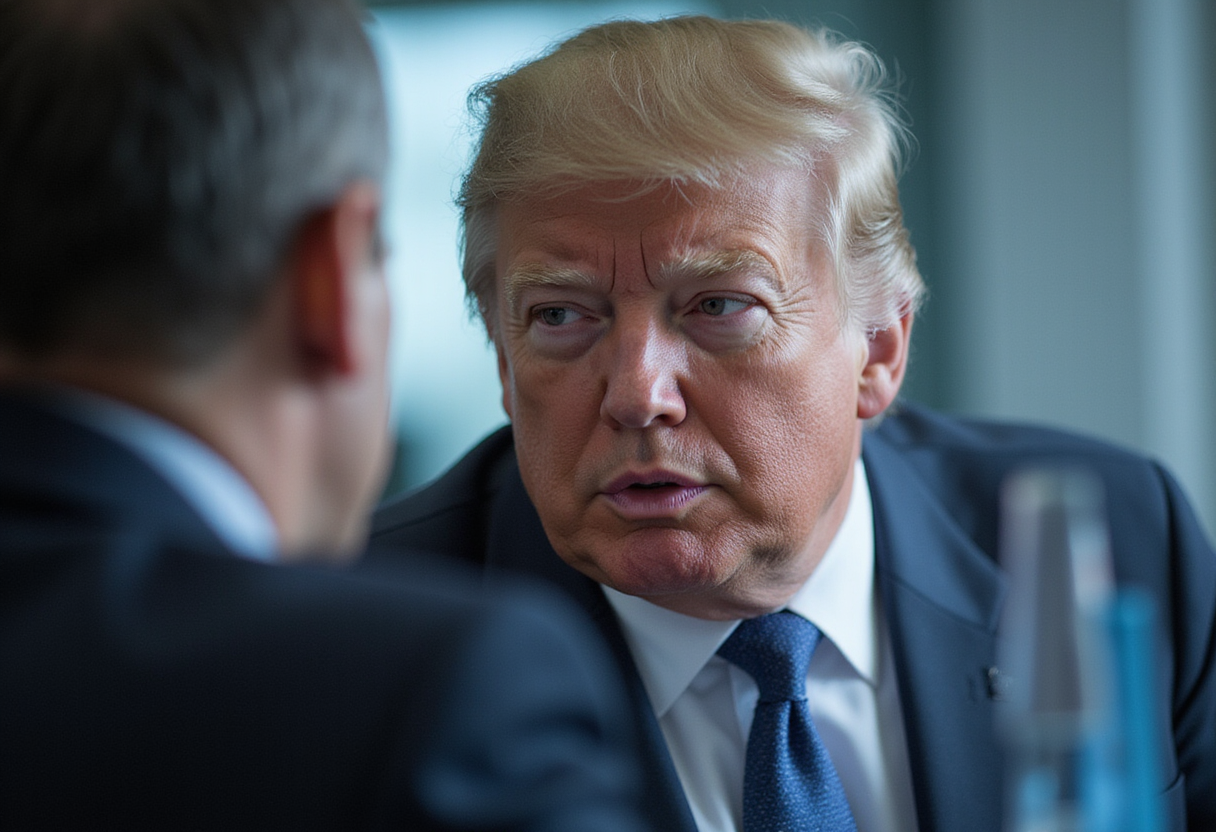
Trump's latest budget proposal would slash federal science funding, the American Physical Society warned, framing the cuts as a direct threat to "the US research enterprise."
The society, a leading professional organization for physicists in the United States, called the proposal damaging. The headline is sharp; the supporting details, as of this writing, are thin.
What does the proposal actually cut?
Here is the honest answer: the APS alert does not list specific dollar amounts, agency names, or program offices. That absence is itself a story. The headline reads as a warning shot, not a line-item autopsy.
Anyone reading "slashes" in a press alert should ask: what percentage, what agency, what fiscal year? Those numbers may exist inside the administration's full budget document. The APS did not include them in its alert, and we have not seen them confirmed independently either.
Why is the APS raising the alarm?
The American Physical Society is the professional home of working physicists across academia, industry, and national laboratories. When it uses the phrase "research enterprise," it means the full chain: labs, instruments, graduate students, postdocs, faculty positions, and the federal grant pipeline that holds them together.
The group does not sound alarms like this lightly. Past APS alerts on funding threats have typically followed detailed analyses of agency budgets. The brevity here is unusual. Whether that signals urgency or unfinished homework is itself worth asking.
What does this change for scientists?
Practically speaking, right now, almost nothing. A presidential budget proposal is not law. Congress writes the appropriations bills, and history shows lawmakers often adjust or restore what presidents ask them to cut. The proposal is a starting offer, not a final verdict.
That cuts both ways. Scientists should not panic, and they should not shrug either. The real fight, if there is one, plays out in the House and Senate appropriations committees over the next several months. The APS has raised the flag. What happens next depends on a political process most readers never see.
What are the limits of this report?
This story rests on a single press item from one professional society. The headline carries the weight; the supporting detail is sparse. That is worth saying out loud. A skeptic's job here is to ask: where is the number, and what specifically is on the chopping block? We don't have those answers yet.
Until then, treat the warning as a flag worth watching, not a verdict already written. Watch for the full budget document. Watch for agency-by-agency breakdowns. And watch what Congress does — because in this town, the proposal is just the opening move.
via Google News: Science Funding (Source)
More from James Calloway
Show full bio
Staff writer covering regulation, policy and their impact on general science news at SciBeat.
233 articles
Nearby plates
- Researchers Alarmed as New Details of Trump Budget Cuts Emerge
- Trump Administration Again Proposes Massive Cuts to US Science Budgets
- White House Plan Would Slash NSF Budget, Alarming Scientists
- Trump Administration Proposes Massive Cuts to Science Budgets
- House GOP Plan Would Trim Science Less Than Trump Requested