Recorded November 22, 2026
Health & Medicine ResearchReported finding
Two Doses of Engineered Immune Cells Cleared a 3-Year-Old's Cancer
A 3-year-old with metastatic hepatoblastoma is disease-free 12 months after two infusions of GPC3-CAR T cells, an experimental immunotherapy in its first human trial.
By Elena Vasquez3 min read697 words
In brief
- A 3-year-old boy's chemotherapy-resistant liver cancer fully regressed after two doses of GPC3-CAR T therapy, with no disease 12 months later.
- The case, published in The New England Journal of Medicine, came from the CARE study, the first human trial of the treatment.
- The initial liver tumor measured 11.2 x 9.6 x 7.1 cm and had spread to the lungs despite chemotherapy and three surgeries.
- Liver cancer is the third leading cause of cancer-related death globally.
- Testing continues in the CARE trial at Baylor and the IMPACT trial at Seattle Children's Hospital.
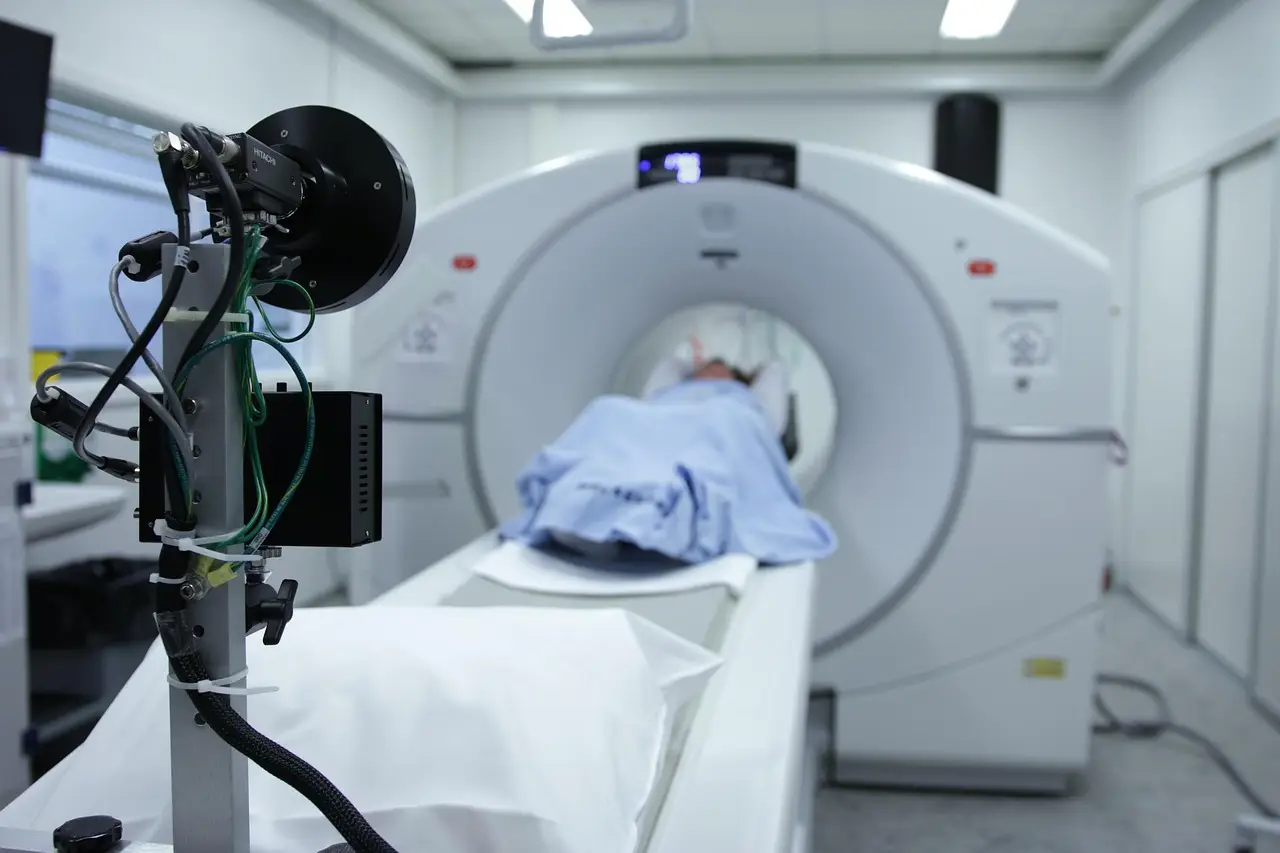
A 3-year-old boy's metastatic liver cancer disappeared completely after just two infusions of an experimental immunotherapy, and he was still disease-free 12 months later, doctors report in The New England Journal of Medicine.
The case is a milestone in a field that has struggled for years. CAR T cell therapy — short for chimeric antigen receptor T cell therapy — works by removing a patient's own immune cells, genetically reprogramming them in a lab to hunt cancer, and putting them back into the body. It has worked well against blood cancers. Solid tumors, until now, have largely resisted it.
This patient had one of the stubborn ones: hepatoblastoma, a malignant liver cancer that mostly strikes young children.
How severe was the cancer?
When doctors first diagnosed the boy, his liver tumor measured 11.2 by 9.6 by 7.1 centimeters — roughly 4.4 by 3.8 by 2.8 inches. The cancer had already spread to his lungs, with signs it had reached his bones too.
Standard treatment threw everything at it:
- three rounds of chemotherapy
- surgical removal of the primary liver tumor
- two additional operations to clear cancer from his lungs
None of it held. The cancer came back fast, with a new tumor appearing in his lungs. That's when doctors enrolled him in the CARE study, the first human trial of this particular experimental therapy.
What was the treatment?
Researchers built the treatment, called GPC3-CAR, from the boy's own T cells. They engineered the cells to recognize glypican-3, or GPC3 — a protein that liver cancers produce in unusually large amounts, making it a target the reprogrammed cells can lock onto.
The team also inserted genes that let the cells produce two immune-signaling proteins, interleukin-15 and interleukin-21. The additions were designed, based on earlier lab and animal work, to help the CAR T cells survive longer and kill tumor cells more effectively.
The payoff came in stages. After the first infusion, CT scans showed a partial response, and levels of alpha-fetoprotein — a blood protein that signals tumor activity — dropped. Eight weeks later he got a second dose. Follow-up scans then showed no remaining disease, apart from some scarring.
A year on, he remained cancer-free.
"This case demonstrates that a durable complete response in a chemotherapy-resistant solid tumor can be achieved entirely in the outpatient setting without systemic toxicity," said first author David Steffin, a pediatric oncologist at Baylor College of Medicine in Houston, Texas.
In plain terms: the boy never needed to be hospitalized for the treatment, and it didn't produce the body-wide side effects that often accompany intensive cancer therapy.
What does this mean for cancer treatment?
The stakes are high. Liver cancer is the third leading cause of cancer-related death worldwide, and solid tumors account for most cancers. A CAR T therapy that works against them would extend the technique's reach far beyond the blood cancers it currently treats.
"This study provides evidence that these novel CAR T cells may be a safe and effective modality for hepatoblastoma and highlights the need for further assessment in patients with GPC3+ solid tumors," said co-author Andras Heczey, a pediatric oncologist at Seattle Children's Hospital and the University of Washington.
Note the hedging in that sentence — "may be," and a call for more study. The doctors are being careful, and they're right to be.
What are the limits of the finding?
This is one patient, in an early-phase trial. A single case, however dramatic, can't tell researchers how often the treatment will work, or how safe it will prove across a broader group. The boy's outcome needs replication.
That testing is already underway:
- the CARE study continues at Baylor College of Medicine
- a similar trial called IMPACT is running through Seattle Children's Hospital
Both will track how other patients with GPC3-positive tumors respond to the engineered cells. Only then will anyone know whether this remission was a fluke or a forecast.
For now, it's one child, cancer-free after two doses. That alone makes it a result worth watching.
via sciencealert.com (Source)
More from Elena Vasquez
Show full bio
Correspondent covering money, funding and market shifts around general science news at SciBeat.
592 articles
Nearby plates
- First Human Trial of In-Body CAR T Therapy Reports Early Results in Myeloma
- UCSF team uses CRISPR to reprogram immune cells inside the body
- Gamma Delta T Cells: The Immune Weapon That Sees Through Lung Cancer
- Zero Recurrences in Three Years: Immunotherapy Reshapes Bowel Cancer Care
- Blocking a Metabolic Weak Point May Reactivate Tired Immune Cells