Recorded November 23, 2026
Earth & ClimateReported finding
Volcanic deposits point to a sharper bend beneath Challenger Deep
The world’s deepest pyroclastic deposits lie in Challenger Deep, offering a preliminary clue that a sharper Pacific Plate bend may have helped shape a trench reaching roughly 11,000 meters.
By Nathan Brooks4 min read714 words
In brief
- Challenger Deep reaches roughly 11,000 meters below sea level.
- ROV Jason/Medea descended more than 6,000 meters to explore the seafloor around Challenger Deep.
- The report appeared November 23 in Frontiers in Earth Science.
- Deposits lay about 100 kilometers from the trench, while classic island-arc volcanism occurs several hundred kilometers away.
- Two deposit features were reported: platelike blocks and lobe-shaped rocks.
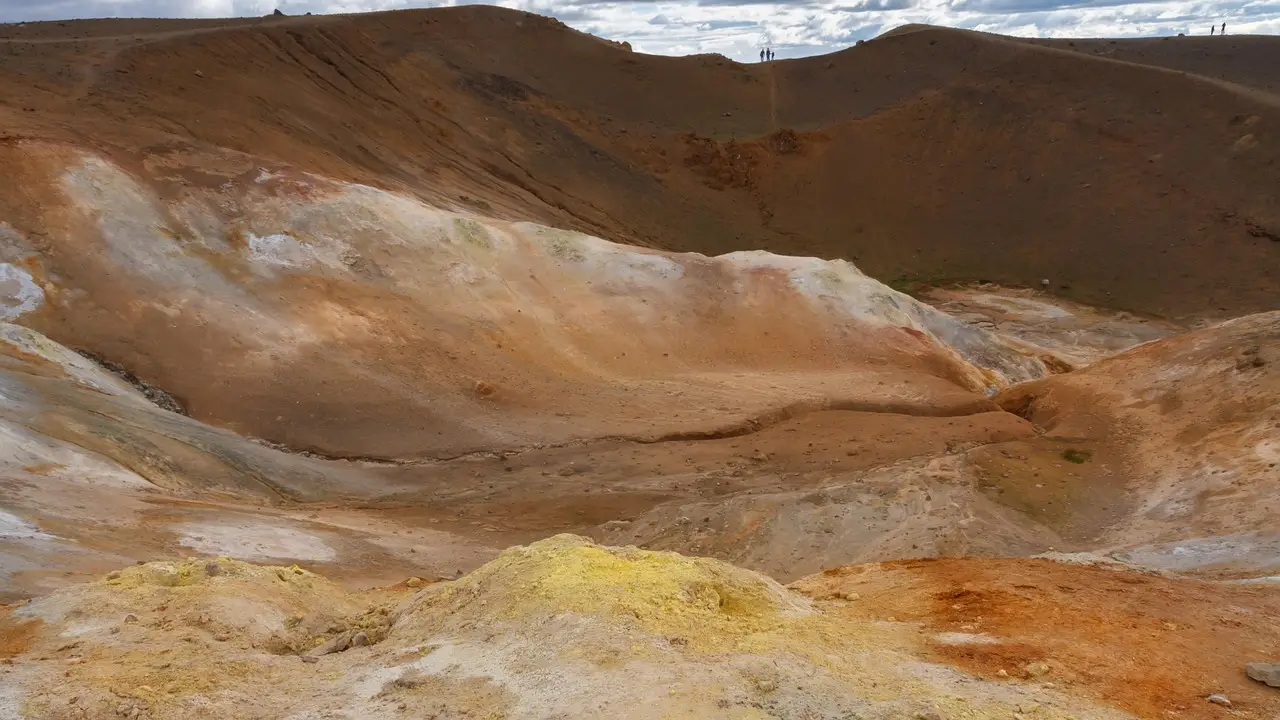
Scientists have found the world’s deepest pyroclastic deposits in Challenger Deep, a valley reaching roughly 11,000 meters below sea level. The report appeared November 23 in Frontiers in Earth Science. Pyroclastic deposits are fragmented material left by explosive volcanic eruptions.
The Mariana Trench is the deepest ocean trench, a crescent-shaped gouge in the Pacific seafloor east of the Philippines. Challenger Deep is its deepest valley. In this subduction zone, where one plate dives beneath another, the Pacific Plate passes under the Mariana Plate and bends into the mantle beneath Earth’s crust, forming a steep seafloor trench.
Subduction zones are generally deep, but the new evidence suggests Challenger Deep’s extreme depth may partly reflect an especially sharp bend in the sinking Pacific Plate. That remains a hypothesis, not a settled explanation.
Geoscientist Robert Stern developed the idea with colleagues. He is an emeritus professor at the University of Texas at Dallas and a visiting researcher at the University of California, Los Angeles.
His team used the remotely operated vehicle Jason/Medea to descend more than 6,000 meters and explore the seafloor around Challenger Deep’s edges. Rocks examined during the survey contained evidence of an ancient explosive eruption, along with the world’s deepest known pyroclastic deposits.
The depth matters because immense pressure changes how gas in magma can behave. Rocks resembling products of surface explosions therefore test the standard explanation of how the deposits formed.
The survey turned up two diagnostic rock features:
- Platelike blocks that could indicate individual eruption pulses.
- Lobe-shaped rocks formed where volcanic flows ended and cooled quickly.
Those shapes could help researchers distinguish eruption pulses from the ends of volcanic flows. Their presence alone, however, cannot establish that expanding gas drove the ancient eruption.
What could make Challenger Deep so deep?
In the classic subduction-zone scenario, the sinking plate heats and partly melts as it descends, creating magma, or molten rock. That magma rises through the overhanging plate and erupts, forming volcanic island arcs several hundred kilometers from the collision zone.
The Challenger Deep deposits lay only about 100 kilometers from the trench, much closer than that standard pattern predicts. A sharper bend would make the Pacific Plate dip more steeply, allowing volcanism to occur closer to the collision zone, where the plates meet. The hypothesis ties the deposit’s location to Challenger Deep’s unusual depth, making one plate feature explain two observations.
That shared geometry remains provisional. The study links the observations to that geometry, but Stern said much more work is required to evaluate the new ideas.
Could an eruption work under immense pressure?
At Earth’s surface, an eruption’s explosiveness depends on the chemical makeup of its magma. Magma rich in volatile gases, including water vapor, can release those gases suddenly when it reaches the surface. The expanding gas can produce a violent explosion.
At Challenger Deep’s pressure, that expansion should not work. Stern said the setting raises a basic problem: how could deposits that resemble explosive-eruption material form where gases cannot expand explosively?
One proposed answer is a new form of deep-sea eruption. In that process, water emerging from magma enters a supercritical fluid state, a condition that minimizes explosive expansion. The mechanism could still generate the fragmented, dense deposits seen by Jason/Medea.
The team cannot yet say whether the ancient eruptions were truly explosive. Two linked ideas—the sharper plate bend and the supercritical-fluid process—fit the observations, but each needs further testing before it can explain the site’s formation.
Why do the findings matter?
William Chadwick, a geologist at Oregon State University in Newport, described the discovery as surprising and unprecedented. He said: “Challenger Deep may be the only place on Earth with the ingredients to produce explosive volcanism in the super-deep ocean. Imagining this happening is … pretty mind-boggling.”
Stern, who co-developed the interpretation, likewise cautioned against treating it as settled. He said: “But a lot of things are now coming together.”
The result is a promising clue, not a final answer: one possible plate geometry links deep volcanic rocks to Challenger Deep’s extreme depth. The outstanding task is to test that geometry and determine how, or whether, the supercritical process produced the deposits.
via sciencenews.org (Source)
More from Nathan Brooks
Show full bio
Market editor covering companies, deals and strategy in general science news at SciBeat.
563 articles
Nearby plates
- Deepest ocean evidence of explosive eruptions found in Mariana Trench
- Deepest Explosive Underwater Eruptions Ever Found Discovered in Mariana Trench
- Explosive eruption found 6,000 meters down in Mariana Trench
- Two Hot Zones Near Earth's Core May Fuel Undersea Volcanoes
- One Wandering Mantle Plume May Have Built Several Atlantic Volcano Chains