Plate Nº 76 · recorded September 29, 2026
Science Policy & FundingReported finding
White House Budget Proposal Takes Aim at Research Funding
The Trump administration's new budget proposal targets research funding, stacking further cuts on top of last year's major reductions to federal science support.
By Marcus Bennett2 min read371 words
In brief
- The White House budget proposal targets research funding.
- The new cuts would follow major reductions already made last year.
- Congress will decide the final spending levels during upcoming negotiations.
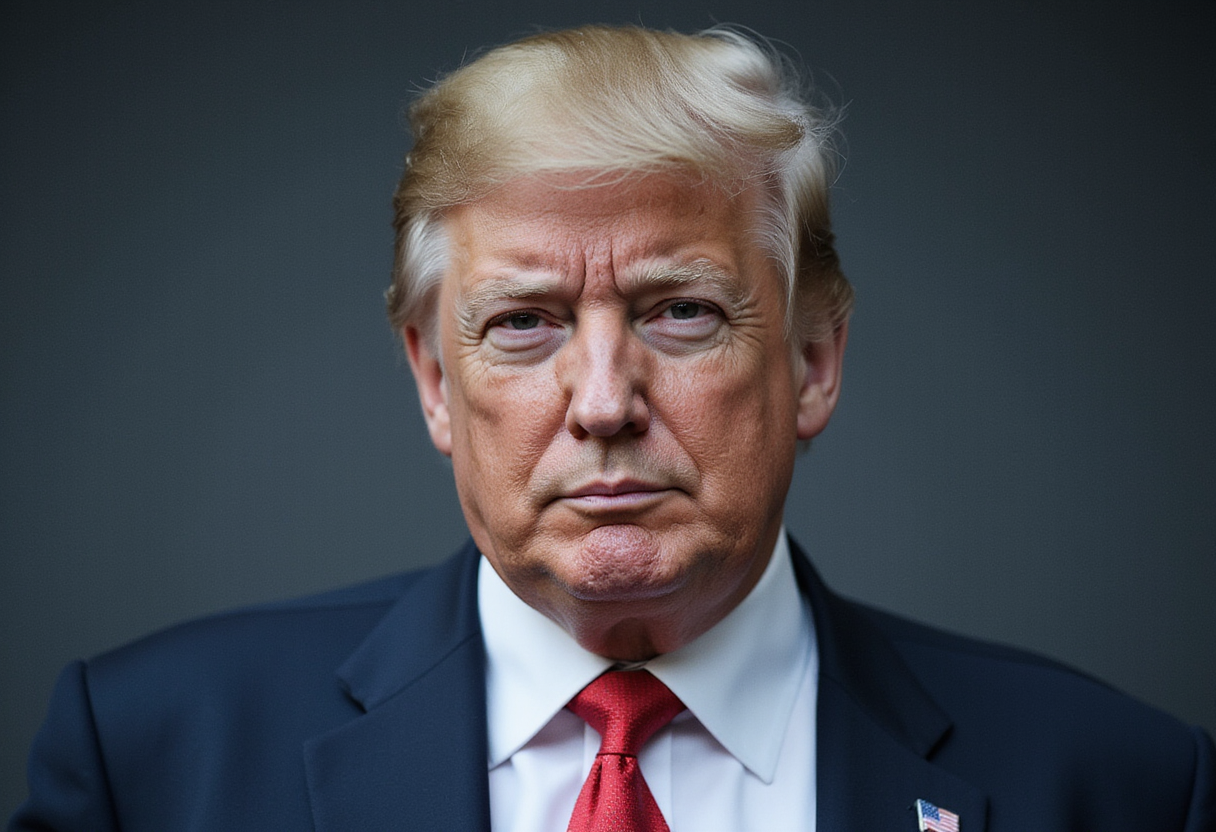
The Trump administration has proposed a budget that targets research funding, setting the stage for another round of reductions on top of the major cuts imposed last year, The Daily Princetonian reports.
The proposal signals a continuation of the administration's push to shrink federal support for scientific research. For universities and research institutions that already absorbed significant reductions in the previous budget cycle, the new plan raises the prospect of compounding losses — fewer grants, scaled-back labs, and pressure on long-term projects that depend on steady federal support.
What the proposal means in practice
Research funding in the United States flows largely through federal agencies such as the National Institutes of Health and the National Science Foundation, which award grants to universities and individual scientists. When those budgets shrink, the effects ripple outward: graduate positions go unfilled, equipment purchases stall, and multi-year studies can lose funding mid-stream.
Last year's cuts already forced institutions to make difficult choices. A second round of reductions would arrive before researchers and administrators have finished adjusting to the first, leaving less room to absorb the impact through internal reallocations or private fundraising.
Why it matters
Sustained funding is the foundation of most academic science. Unlike a one-time budget freeze, repeated cuts compound over time. A laboratory that loses a grant may disband its team, and rebuilding expertise after a hiatus often takes years. Early-career scientists are especially vulnerable, since their careers depend on a steady sequence of grants in their first years of independent work.
Universities with large research portfolios — including institutions such as Princeton, whose student newspaper broke down the proposal — watch these budget negotiations closely because federal money typically represents the largest single source of research support on campus.
What happens next
A presidential budget proposal is a starting point, not a final decision. Congress writes and passes the actual spending bills, and lawmakers frequently reshape or reject elements of the administration's request. The coming months of negotiation will determine how deep any final cuts run and which agencies bear the brunt.
Researchers and university administrators will be watching those negotiations closely. After last year's reductions, the margin for absorbing further losses has narrowed considerably.
via Google News: Science Funding (Source)
More from Marcus Bennett
Nearby plates
- Federal Budget Keeps US Science Alive, But Growth Looks Unlikely
- Report: Agency Redirected $1.4 Billion in Congress-Earmarked Science Funds
- President's FY27 Budget Request Delivers More Bad News for Science
- Scientists Raise Alarm Over £162m Research Funding Cuts
- New NSF Grants Have Slowed to a Trickle — But Relief May Be Near