Recorded November 22, 2026
Health & Medicine ResearchReported finding
17-Million-Person Study: Waist Size May Predict Death Risk Better Than Weight
A 14-year study of 17.2 million South Korean adults links mid-range waist sizes to the lowest death risk, suggesting waist and muscle matter more than weight alone.
By Nathan Brooks3 min read546 words
In brief
- Study covered 17,252,815 South Korean adults examined in 2009-2010, with deaths tracked until June 2024.
- Lowest death risk occurred at waists of 80-94 cm for men and 75-89 cm for women.
- Each extra 5 cm of waist above a person's peer average raised death risk by 16% in men and 14% in women.
- A smaller waist at the same BMI was linked to bigger reductions in death risk than weight loss alone in slightly overweight people.
- Published in the Journal of Epidemiology & Community Health; observational design means it can't prove waist reduction extends life.
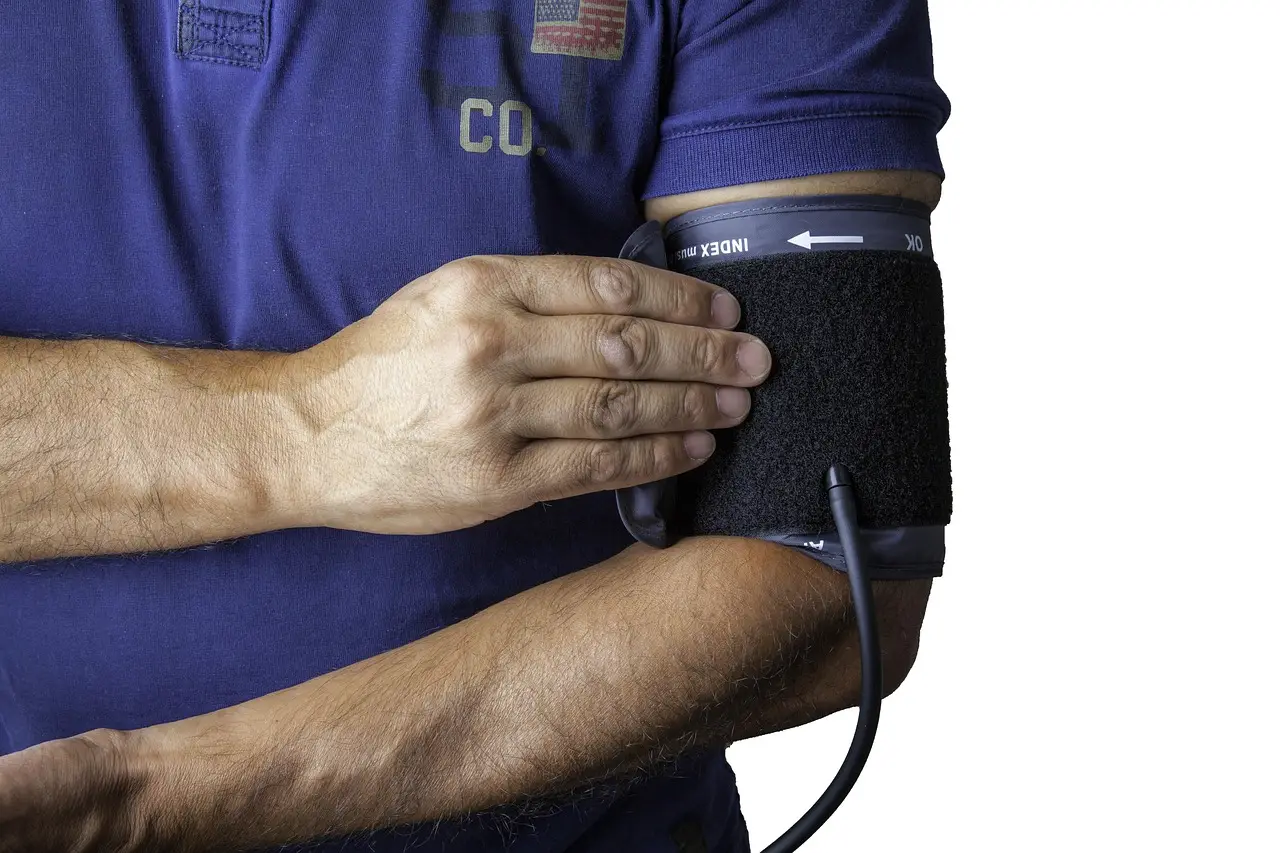
A study of 17,252,815 adults in South Korea found that waist size predicts the risk of dying better than body weight alone — and that trimming the waist while keeping muscle may matter more than the number on the scale.
The research, published in the Journal of Epidemiology & Community Health, followed people who took routine health examinations in 2009 or 2010. Researchers tracked deaths until June 2024 — nearly 14 years of follow-up — and compared participants' waist measurements and body weight with their chances of dying.
The results challenge the common assumption that thinner always means healthier. People at both ends of the waist-size range showed higher death rates, even after the researchers accounted for body mass index, or BMI.
What is BMI, and why doesn't it tell the whole story?
BMI is a simple calculation based on height and weight. Doctors use it widely, but it has a blind spot: two people with the same BMI can carry very different amounts of fat and muscle.
Where the body stores fat may make the difference. Fat deep inside the belly sits close to the liver and other organs, and researchers link it to conditions such as diabetes and heart disease. That's one reason a tape measure around the middle might capture risk that a scale misses.
Which waist sizes carried the lowest risk?
The study found a clear sweet spot. The lowest death risk appeared at waist sizes of:
- 80 to 94 centimeters for men
- 75 to 89 centimeters for women
Risk climbed at both larger and much smaller measurements — meaning an unusually small waist isn't automatically a healthy sign either.
The numbers get sharper at the high end. For men whose waist already exceeded the average for similar people, an extra five centimeters came with a 16% higher risk of death. For women, the corresponding figure was 14%.
Can a smaller waist beat weight loss?
One finding stands out. Among people who were slightly overweight and carried extra fat around the middle, having a smaller waist at the same BMI was linked to a greater reduction in death risk than weight loss alone.
The likely explanation is body composition. Someone who loses belly fat but preserves or builds muscle can stay more active and age more healthily. Losing too much muscle, by contrast, can make daily activities harder.
What are the study's limits?
The researchers observed people rather than testing a treatment, so the study can't prove that shrinking your waist will directly extend your life. It also doesn't mean everyone should avoid losing weight.
The very-small-waist finding deserves particular caution. Illness, frailty and muscle loss could explain that pattern, especially in older adults — in other words, some people may have tiny waists because they're already unwell, not because they're healthy.
What should patients and doctors take from it?
Overall, the research supports a broader approach to health. Rather than relying on weight alone, doctors may benefit from considering waist size, age, muscle and a person's wider health picture.
For now, the evidence points one way: a mid-range waist, decent muscle and a full view of a patient's health tell you more than any single number on a bathroom scale.
via knowridge.com (Source)
More from Nathan Brooks
Show full bio
Market editor covering companies, deals and strategy in general science news at SciBeat.
563 articles
Nearby plates
- 17.2-Million-Person Study: Your Waist Size Predicts Risk Your Weight Hides
- BMI Misses or Overcalls Obesity in Millions, Study Finds
- Landmark Nature study: most BMI-defined obesity isn't clinical
- Proposed obesity definition could raise prevalence by up to 7.4%
- Obese at 4, One-in-Two Chance Obese at 13, Study of 124,470 Finds