Plate Nº 54 · recorded November 16, 2026
Health & Medicine ResearchReported finding
BMI Misses or Overcalls Obesity in Millions, Study Finds
A Nature study of 844,108 adults finds BMI misses obesity in up to 8.6% of people and over-diagnoses 3.1% under new 2025 criteria.
By James Calloway3 min read675 words
In brief
- Study of 844,108 adults in China, UK, US, and Spain published in Nature compared BMI to new 2025 obesity criteria.
- BMI missed obesity in up to 8.6% of participants and falsely flagged up to 3.1% as obese.
- Clinical obesity carried a 69% higher mortality risk over decade-plus follow-up, versus 19% for preclinical obesity.
- Up to a third of obesity cases are clinical obesity, an active disease requiring treatment, researchers say.
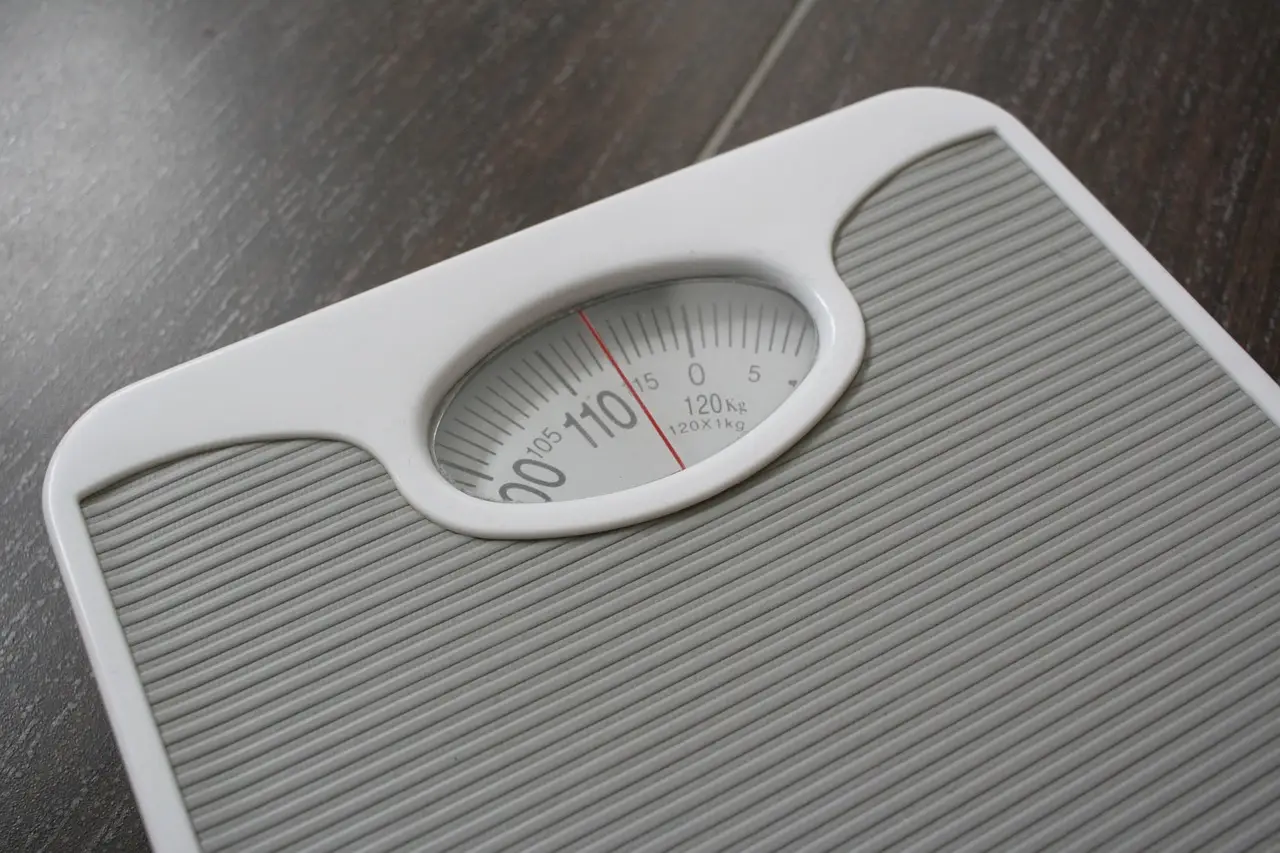
BMI got obesity wrong for up to 8.6 percent of people tested, and falsely labeled another 3.1 percent as obese. That's the headline finding from an international study published in Nature, which ran the old body-mass-index yardstick against a new 2025 diagnostic framework across 844,108 adults in China, the UK, the US, and Spain.
Scaled to a global population of more than a billion people living with obesity, those percentages translate into millions of misdiagnoses. Not rounding errors. Real people told they have a disease they may not have — or walking around with one nobody flagged.
Why is BMI failing?
BMI divides your weight by your height squared. It's a one-line calculation, cheap, and famously blunt. Two people with identical BMI readings can carry wildly different amounts of fat and suffer wildly different consequences. A muscle-heavy athlete and a sedentary patient can land on the same number.
The 2025 framework, proposed by an expert panel last year, asks for more evidence before handing down a diagnosis:
- Waist circumference
- Waist-to-height ratio
- Body fat scans
- Signs of organ damage or physical impairment affecting daily activities
The key innovation is a split the old system never made. Clinical obesity means excess fat is actively damaging organs or internal systems. Preclinical obesity means someone carries excess weight, but it hasn't yet started harming bodily function. One is an active disease. The other is a risk state.
What did the numbers show?
The distinction isn't cosmetic. People with clinical obesity faced a 69 percent higher risk of dying during follow-up periods longer than a decade. For preclinical obesity, the figure was 19 percent. Traditional BMI-based diagnosis cannot see that gap at all — both groups get the same label.
"This study shows that up to a third of all cases of obesity are clinical obesity, an active disease that should be treated as such," said Francesco Rubino, a bariatric surgery consultant at King's College London.
Rubino added: "Most people with preclinical obesity, but not all, remained free of clinical obesity for a decade." That word "most" is doing real work. Preclinical doesn't mean safe.
"Preclinical obesity should therefore be neither treated automatically as active disease nor dismissed as harmless," Rubino said. "Some people may need preventive treatment, but its intensity should match their individual risk."
What does this change for patients?
The practical stakes center on treatment. If doctors adopt the new criteria, drugs like GLP-1 weight-loss medications could be prescribed to people whose bodies are actually under attack from excess fat, rather than to everyone above a BMI threshold. Care gets calibrated. Scarce resources go where damage is occurring.
"Getting the scope of care right – treating existing disease or reducing risk – and matching its intensity to individual needs matters enormously, both for the billion-plus people affected and for healthcare systems," Rubino said. "People with obesity, like everyone else, deserve care matched to their needs: no less, and no more."
The findings may also sharpen unrelated research. If you're studying whether heart disease stems from obesity or something else, misclassification contaminates the answer.
Should we trust it yet?
Here's where the caveats pile up. The study covers four countries and four cohorts — broad, but not the whole world, and the researchers themselves say the criteria need refinement. Epidemiologist An Pan of Huazhong University of Science and Technology, who worked on the study, argues the results support global adoption, noting "marked differences in prognosis between clinical and preclinical obesity, consistently observed across countries and ethnic groups." Consistency across populations is encouraging. It isn't proof of universality.
The team is planning further studies on how to apply the criteria in clinics, how to sharpen the diagnostic techniques, and how treatments affect people with each form of obesity differently. Those questions remain open.
So: a stronger diagnostic tool than BMI, backed by a mortality gap BMI cannot detect, awaiting validation it hasn't yet received. Promising. Unfinished. Both things at once.
via sciencealert.com (Source)
More from James Calloway
Show full bio
Staff writer covering regulation, policy and their impact on general science news at SciBeat.
400 articles
Nearby plates
- Landmark Nature study: most BMI-defined obesity isn't clinical
- EU Launches First Screening Week for Heart and Diabetes Risk
- Fatty Liver Disease Is Actually Five Distinct Conditions, Study Finds
- ATTAIN-MAINTAIN Trial Tests Orforglipron for Sustained Weight Loss
- GLP-1 Weight-Loss Drugs Work Similarly Across Age, Race, and Weight