Plate Nº 24 · recorded November 16, 2026
Health & Medicine ResearchReported finding
Blood Test Spots Hidden Prostate Cancer and Predicts Radiation Success
A UK study of 77 men found a blood test for tumor DNA predicted who benefits from targeted radiation: 7.8 months versus 3 months before cancer progression.
By Nathan Brooks3 min read549 words
In brief
- A UK study of 77 men with advanced prostate cancer appeared in JAMA Network Open.
- Men with no detectable cancer DNA in blood went 7.8 months before disease worsened, versus 3 months for those with detectable DNA.
- Only 19 of 77 men tested positive for circulating cancer DNA before radiation.
- At six months, about 6 in 10 negative-test men were progression-free versus about 2 in 10 positive-test men.
- The Royal Marsden, the Institute of Cancer Research and University College London led the research.
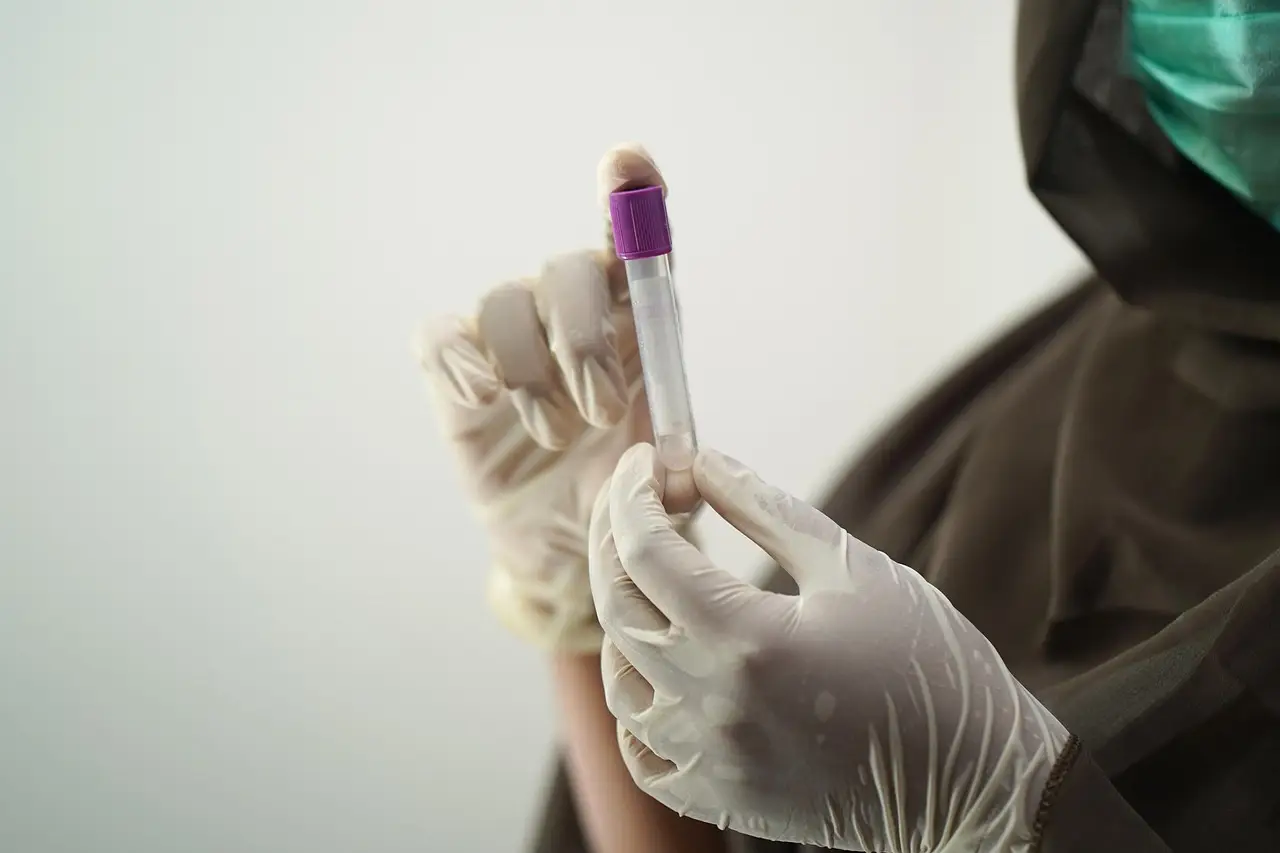
A simple blood test predicted which men with advanced prostate cancer would benefit from targeted radiation, according to a study of 77 patients published in JAMA Network Open. Men with no detectable cancer DNA in their blood went a typical 7.8 months before their disease worsened. Men with detectable traces saw their cancer progress in just three months.
The research, led by scientists at The Royal Marsden, the Institute of Cancer Research and University College London, points to a tool that could catch disease scans miss. Cancer scans show doctors where tumors are growing, but they can miss very small areas of disease. The blood test works differently: it looks for fragments of DNA that cancer cells release into the bloodstream.
Why does hidden cancer DNA matter?
Finding these floating fragments may signal that cancer is active beyond the spots doctors can see on a scan. That matters for a specific group: men whose prostate cancer has spread and no longer responds fully to hormone-blocking drugs.
In some of these men, the cancer begins growing in only a few places while medicine still controls other areas. One option is to fire highly focused radiation at the growing tumors without stopping the existing medicine. This can control troublesome areas, but some patients see their cancer progress again quickly — and doctors haven't been able to say why.
Researchers wanted to know whether a blood test taken before radiation could explain the differing outcomes. So they analyzed samples from 77 men enrolled in a clinical trial in the United Kingdom.
What did the numbers show?
Only 19 of the 77 men had measurable cancer DNA in their blood before treatment. The other 58 had no detectable traces using the test.
That split produced a striking gap in outcomes:
- 7.8 months: typical time before disease worsened in men with no detectable cancer DNA.
- 3 months: typical time before worsening in men with detectable cancer DNA.
- About 6 in 10: men in the negative-test group still free of progression at six months.
- About 2 in ten: men in the positive-test group still progression-free at the six-month mark.
Put simply, a negative test result roughly doubled a man's odds of lasting benefit at the half-year checkpoint.
The link held up even after researchers accounted for age, PSA levels and earlier treatment. That raises the possibility that a blood test could help doctors judge when targeted radiation is worth trying and when another medicine might be needed.
Can the test guide treatment yet?
Not quite. An important question remains unanswered: does the test identify men who benefit specifically from radiation, or simply men whose cancer is less active overall? Because everyone in this study received radiation, researchers cannot yet separate those two explanations.
The findings are encouraging rather than definitive. The sample was also small — just 77 men, with only 19 in the positive-test group. Larger trials that use blood-test results to actually guide treatment decisions will be needed before this approach becomes routine care.
For now, the study adds a concrete piece of evidence: tumor DNA circulating in the blood carries information that scans alone don't provide. The next step is testing whether acting on that information improves survival, not just prediction.
via knowridge.com (Source)
More from Nathan Brooks
Show full bio
Market editor covering companies, deals and strategy in general science news at SciBeat.
387 articles
Nearby plates
- Blood Test Spots Small Breast Tumors With 95% Accuracy in Early Study
- American Cancer Society Now Urges Routine PSA Screening for Men 50 to 69
- Blood Test Spots Ovarian Cancer Precursors Before Tumors Form
- Urine RNA test detects bladder cancer with 95% accuracy in 683-sample study
- Blood Test Finds Cancer Targets in 46% of Metastatic Patients