Plate Nº 75 · recorded November 16, 2026
Health & Medicine ResearchReported finding
More Fruits and Vegetables Linked to 37% Lower Depression Risk
A meta-analysis of 13 cohort studies tracking 385,449 adults links the highest fruit and vegetable intake to a 37 percent lower risk of depression.
By Priya Raman3 min read686 words
In brief
- Highest fruit and vegetable intake was linked to a 37 percent lower depression risk.
- Each additional 200 grams of produce per day corresponded to a 16 percent risk reduction.
- The analysis covered 13 prospective cohort studies with 385,449 adults across six countries.
- 26,592 participants developed depression during follow-up of two years to nearly two decades.
- The study was published in the Journal of Affective Disorders in 2026.
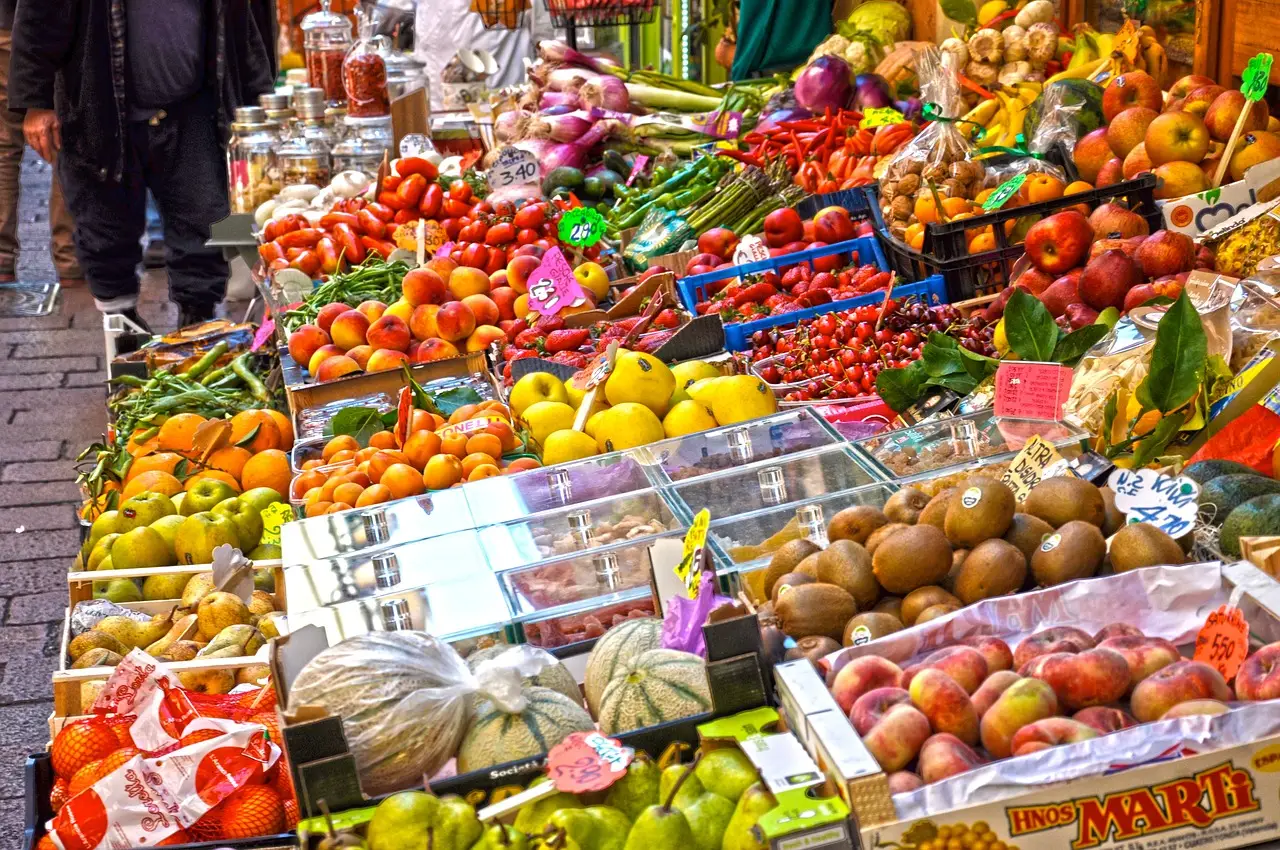
Adults who eat the most fruits and vegetables face a 37 percent lower risk of developing depression than those who eat the least, according to a new analysis of 385,449 people published in the Journal of Affective Disorders. The study, led by researchers at the Tehran University of Medical Sciences, also calculated a dose-response trend: every additional 200 grams of produce per day — roughly one large apple plus a handful of spinach — corresponded to a 16 percent reduction in depression risk.
Nazanin Zamanian and Sepide Talebi led the systematic review and meta-analysis, a method that combines data from multiple independent studies to identify overall trends. The team focused exclusively on prospective cohort studies, research designs that follow large groups of healthy people over many years to see who develops a condition and who does not.
What did the researchers find?
The analysis covered 13 cohort studies conducted in the United States, Australia, France, Spain, China, and Japan, with follow-up periods ranging from two years to nearly two decades. Across all tracked groups, 26,592 participants eventually developed depression.
The team grouped the data into three analyses:
- Combined fruit and vegetable intake (four studies, 7,995 participants): the highest consumers had a 37 percent lower depression risk than the lowest consumers; each additional 200 grams per day cut risk by 16 percent.
- Fruit intake alone (eight studies, 171,502 people): the highest fruit consumers faced a 16 percent lower risk; each 200-gram daily increase was linked to a 9 percent drop. This association held regardless of geographic region or follow-up length.
- Vegetable intake alone (11 studies, 192,849 participants): the highest vegetable consumers had a 12 percent lower risk; each 200-gram daily increase reduced risk by 11 percent. Unlike the linear fruit trend, the vegetable association showed a slightly non-linear pattern, suggesting the benefit may level off at very high intakes.
How could produce protect the mind?
Depression affects millions worldwide and remains a leading cause of disability, and mental health professionals increasingly examine everyday habits such as nutrition for prevention. Fruits and vegetables contain vitamins, fiber, and antioxidants — compounds that protect cells from oxidative stress, a form of cellular damage that can harm both brain and body.
Fiber also feeds the gut microbiome, the community of bacteria in the digestive tract. Some dietary fibers act as prebiotics, nourishing beneficial bacteria. A healthier microbiome can reduce widespread inflammation, which researchers increasingly identify as a biological contributor to depression. These bacteria communicate with the brain through the gut-brain axis, a pathway that influences the production of mood-regulating chemicals such as serotonin.
Why did earlier studies disagree?
Previous research on diet and depression produced mixed results. Some studies focused only on specific age groups, such as younger adults, where the protective association appeared weaker. Others tested isolated nutrient supplements rather than whole foods, which often failed to show consistent mental health benefits. Many earlier reviews also combined different study designs, making firm conclusions difficult. By restricting the current analysis to prospective cohort studies, the authors aimed to produce a clearer picture.
What are the study's limits?
The findings show an association, not proof of causation. Because the analysis relied on observational data, the results remain subject to residual confounding — unmeasured factors such as overall wealth or access to healthcare might explain part of the difference in mental health outcomes.
The original studies also measured diet in different ways. Many used food frequency questionnaires, which ask participants to recall past eating habits; these are inexpensive but depend on flawed human memory. Others used 24-hour dietary recalls, which are more accurate for a single day but may miss long-term patterns. Depression itself was defined differently across studies, with some drawing on clinical medical records and others on self-reported symptom questionnaires.
The authors note that clinical trials are needed to establish the true effect of whole foods on mental health. Future studies could randomly assign participants to specific diets to test directly whether eating more produce changes clinical outcomes for depression.
The evidence, for now, points one direction.
via psypost.org (Source)
More from Priya Raman
Show full bio
Senior reporter covering people, launches and day-to-day practice in general science news at SciBeat.
410 articles
Nearby plates
- Two Diets Cut Calculated Heart Risk by 10% in Eight Weeks
- Mediterranean-Style Diets Show Brain Benefits—But Only in Snapshot
- Red Meat Sugar Linked to 63% Higher Type 2 Diabetes Risk
- Eight Common Food Preservatives Linked to Heart Disease Risk
- Four to Six Servings of Whole Grains Daily May Protect the Heart