Plate Nº 46 · recorded November 14, 2026
Health & Medicine ResearchReported finding
86% of Compounded Weight-Loss Prescriptions in Nebraska Are GLP-1s
Compounded GLP-1 prescriptions went from zero in 2018 to 86% of compounded weight-loss prescriptions in Nebraska by 2025, often with untested additives like vitamin B12.
By Nathan Brooks3 min read548 words
In brief
- Compounded GLP-1 prescriptions rose from zero in 2018 to 86% of compounded weight-loss prescriptions in Nebraska by 2025.
- The study was published in JAMA in November 2026 by University of Utah researchers.
- Many compounded products contained vitamin B12 or levocarnitine with little evidence of benefit.
- The study covered one state and did not measure side effects or health outcomes.
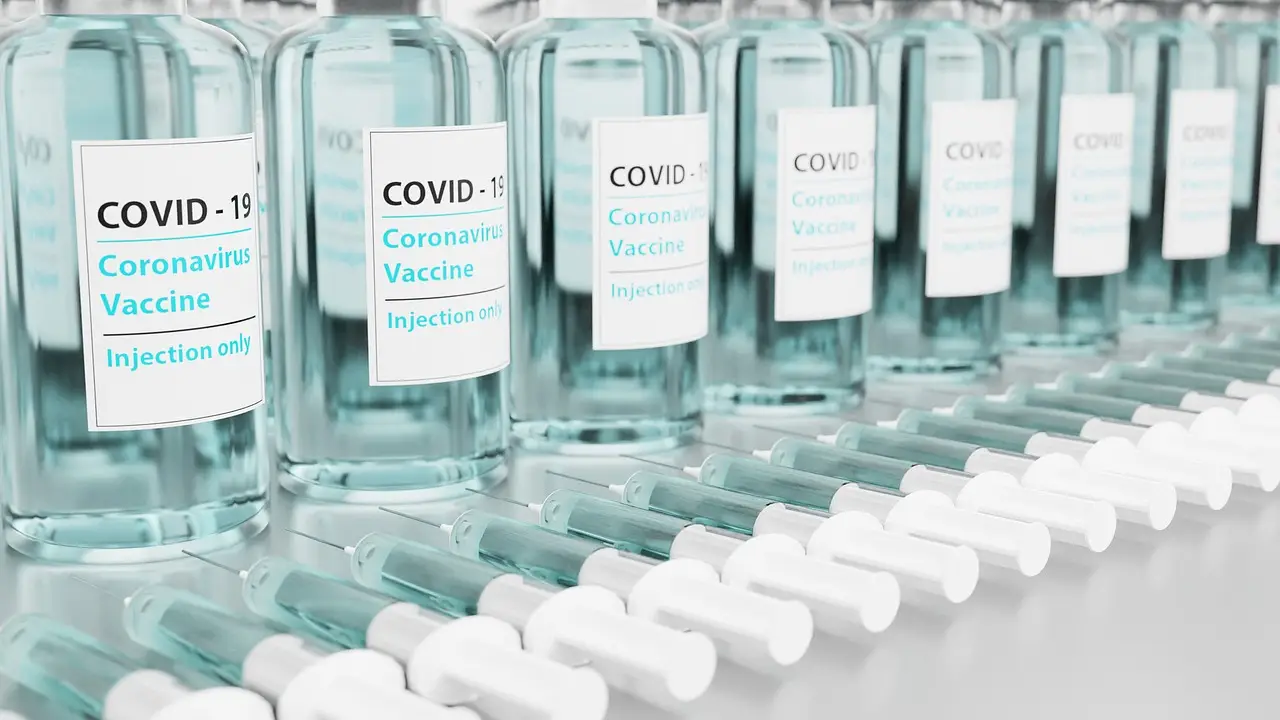
Compounded GLP-1 weight-loss injections accounted for 86% of all compounded weight-loss prescriptions in Nebraska in 2025 — up from zero in 2018, according to a University of Utah study published in JAMA in November 2026. Many of those products contained added ingredients, mainly vitamin B12, whose safety in combination with the main drug has never been properly established.
That 86% figure needs context. It covers compounded weight-loss prescriptions only — medicines mixed by pharmacies for individual patients — not all weight-loss drugs or all GLP-1 prescriptions in the state.
What are compounded GLP-1 medicines?
GLP-1 drugs copy a natural hormone that regulates appetite and blood sugar. Approved versions treat diabetes and support weight management, and millions of people use them.
Compounding works differently. Instead of supplying a standard manufactured product, a pharmacy prepares a medicine tailored to a specific need — say, a different dose or formulation. That can genuinely help some patients. But compounded preparations skip the approval process that commercial medicines go through, so nobody tests the final mixture the same way.
What did the researchers actually find?
The team examined Nebraska's prescription-tracking records to see how often pharmacies dispensed compounded GLP-1 medicines and what those products contained. Beyond the headline growth from zero to 86% in seven years, they found:
- Many products included added substances, particularly forms of vitamin B12.
- Another common additive was levocarnitine, a compound that helps the body extract energy from fats.
- Marketers sometimes promote these extras as a way to ease unwanted effects of weight-loss injections.
- The researchers found little evidence the additives deliver those promised benefits.
Why extra vitamins aren't automatically safe
Here's the counterintuitive part: adding a familiar vitamin doesn't make an injection safer. The dose matters, the preparation matters, and interactions between ingredients matter — especially when the product goes into your body through a needle rather than a pill.
The combinations simply haven't been adequately tested for safety. That's the core gap the study exposes, not proof that every compounded injection causes harm.
What the study can't tell us
The limitations are significant, and the researchers are upfront about them. The study described dispensing patterns in a single US state. It did not follow patients over time, did not measure side effects, and did not compare health outcomes between people using compounded versus approved products.
There's also a data blind spot. Many patients buy compounded products online and pay out of pocket. Those purchases may never appear in the insurance-based records that doctors and scientists typically examine — meaning the true scale of use could be larger than the Nebraska numbers suggest.
What should patients and doctors do now?
The study's strongest message is practical rather than alarming. Doctors should ask patients specifically whether they're using compounded injections, because the question doesn't always come up in routine appointments. Patients, in turn, should check exactly what their medicine contains — including any added vitamins.
Before claims about added ingredients can be trusted, the researchers say two things need to happen: wider monitoring of compounded products and direct safety studies of the additive combinations themselves. Until then, the benefit of that vitamin B12 in your injection remains an open question.
By Nathan Brooks
via knowridge.com (Source)
More from Nathan Brooks
Show full bio
Market editor covering companies, deals and strategy in general science news at SciBeat.
371 articles
Nearby plates
- Oral GLP-1 Pill Aleniglipron Shows Results in Phase 2b Obesity Trial
- GLP-1 Weight-Loss Drugs Work Similarly Across Age, Race, and Weight
- Cleveland Clinic Examines What Happens After GLP-1 Discontinuation
- GLP-1 Diabetes Drugs Appear Safe in Pregnancy, Review Finds
- Oral GLP-1 Pill Elecoglipron Tested in Obesity Trial