Plate Nº 42 · recorded November 14, 2026
Health & Medicine ResearchReported finding
Viruses Recruited to Fight Superbugs: 77% of Patients Improved
Viruses that kill bacteria improved 77% of patients in a Belgian series. New Nature Medicine guidelines with 60+ recommendations move personalized phage therapy closer to the clinic.
By Nathan Brooks3 min read586 words
In brief
- A Belgian case series of 100 patients reported clinical improvement in 77% of phage therapy cases.
- Targeted bacteria became undetectable in 61% of patients in the Belgian series.
- First coordinated phage therapy guidelines, with 60+ recommendations, were published in Nature Medicine.
- 20 professional organizations and 18 international experts contributed to the guidelines.
- Frankfurt University Medical Center has treated 10 patients under the guidelines since February 2026.
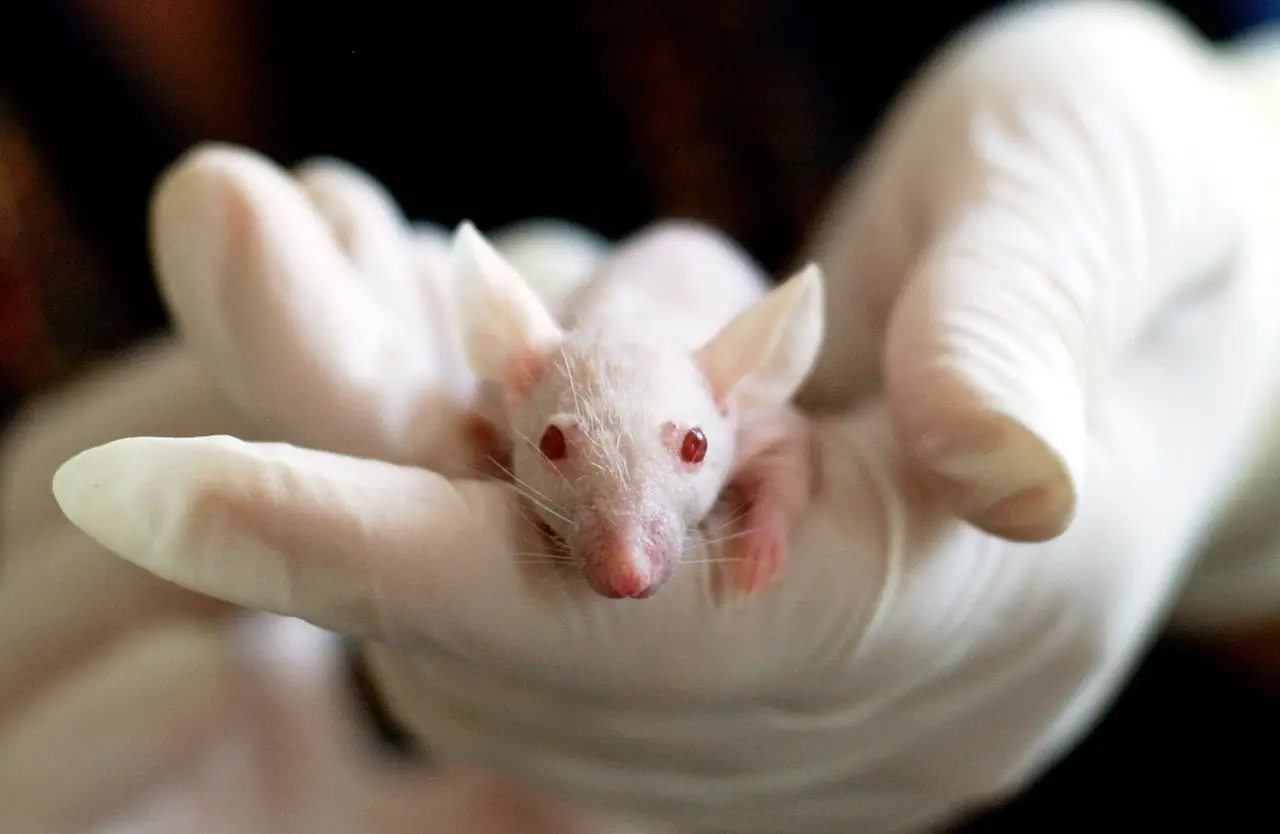
A Belgian case series of 100 patients recorded clinical improvement in 77% of cases treated with viruses engineered by nature to kill bacteria. The targeted bacteria became undetectable in 61% of those patients. Those numbers, published as part of a wave of early clinical findings, are driving a new approach against infections that antibiotics can no longer touch.
The treatment is called phage therapy, and its first coordinated clinical guidelines appeared in Nature Medicine. An international team developed them with input from 20 professional organizations and 18 international experts. The document contains more than 60 recommendations spanning phage selection, laboratory testing, manufacturing, treatment delivery and patient monitoring.
What are bacteriophages?
Bacteriophages — phages for short — are viruses that infect and destroy bacteria, and nothing else. Unlike antibiotics, which can hit several bacterial species at once, a single phage usually attacks one particular bacterial strain.
The kill mechanism is brutally efficient. A phage attaches to a bacterial cell, injects its genetic material, and hijacks the bacterium's own machinery to copy itself. Eventually the infected cell bursts open, releasing new phages that go hunting for more bacteria.
That precision is the appeal. Doctors first identify the bacterium causing an infection, then test in the lab which viruses can destroy it, and finally pick the phages that match the individual patient. Because the attack is so targeted, the approach could also spare beneficial bacteria that broad-spectrum antibiotics sometimes wipe out.
Why does this matter now?
Antimicrobial resistance threatens to make many common bacterial infections increasingly hard to treat. In other words, bacteria are out-evolving our drug arsenal, and some strains now survive nearly everything doctors can throw at them. Phage therapy could open a new front in that fight.
The early data looks encouraging beyond the Belgian series, too. At Frankfurt University Medical Center, researchers have already treated 10 patients through a guideline-based program since February 2026. That program is the first practical test of whether the new recommendations make phage therapy safer and more consistent in a real hospital setting.
Can viruses replace antibiotics?
Not yet, and the researchers are candid about that. Bacteria can develop resistance to phages, just as they do to drugs. Finding the right virus for each infection also takes time — this is personalized medicine, not a pill off the shelf.
The bigger limitation is evidence. Most findings so far come from small case series like the Belgian one, not from large, controlled clinical trials. Until those trials run, nobody can say with confidence how effective phage therapy really is across broader patient groups.
What do the guidelines actually change?
Before now, phage therapy lacked any coordinated playbook. Clinics worked case by case, with uneven standards for everything from manufacturing to monitoring. The new Nature Medicine guidelines standardize the whole pipeline: choosing phages, testing them in the lab, producing them safely, delivering treatment and tracking how patients respond.
That consistency matters for two reasons. It makes results from different hospitals comparable, which is exactly what future large trials need. And it lowers the regulatory and practical barriers for centers — like Frankfurt's — that want to offer the therapy.
The bottom line
Phage therapy won't replace conventional antibiotics tomorrow. But if larger studies confirm what the Belgian and Frankfurt results hint at, doctors could gain another weapon against some of the world's most dangerous drug-resistant infections. For patients infected with bacteria that shrug off every antibiotic, a virus that hunts the bug down might stop sounding like science fiction.
via industrytap.com (Source)
More from Nathan Brooks
Show full bio
Market editor covering companies, deals and strategy in general science news at SciBeat.
371 articles
Nearby plates
- Phage enzyme cut triggers bacterial suicide defense, study finds
- Bacteria Turn a Virus's Own Weapon Against It, Study Finds
- Three phage proteins lock bacterial transporter MurJ in place
- Scientists Map Three Weak Points in Antibiotic-Resistant Bacteria
- Researchers track two pathways behind recurrent bacterial vaginosis