Plate Nº 21 · recorded November 14, 2026
Health & Medicine ResearchReported finding
US Loses Measles Elimination Status After 25 Years, WHO Body Rules
The Pan American Health Organization has revoked the US measles elimination status held since 2000, as 2026 cases near 5,500 and deaths reach eight.
By James Calloway4 min read714 words
In brief
- PAHO revoked the US measles elimination status, held since 2000, in a decision reported Nov. 13.
- Nearly 2,300 US measles cases were reported in 2025; almost 5,412 confirmed so far in 2026.
- Eight measles-related deaths have been counted by states in 2026.
- Only 10 states report kindergarten vaccination rates above the 95% immunity threshold for 2025-2026.
- The US must go 12 months without continuous spread to regain elimination status.
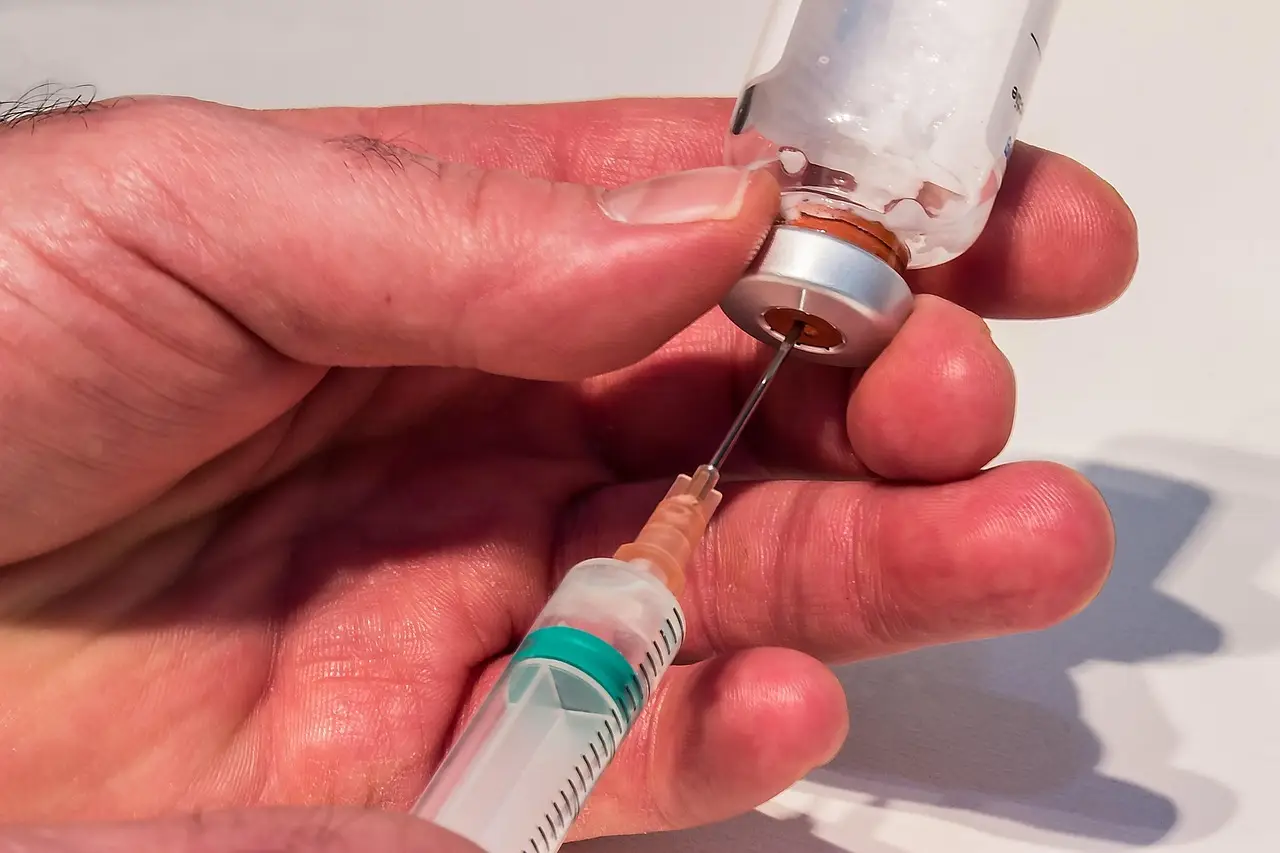
The United States has officially lost its measles elimination status, a designation it had held for more than 25 years, after the Pan American Health Organization determined that domestic spread of the virus is now significant and sustained.
The decision, reported by the Wall Street Journal on Friday, Nov. 13, means the U.S. joins a short list of countries — including the U.K. and Canada — where measles has re-established local transmission. That's a formal verdict, not a symbolic one. Elimination status, granted to the U.S. in 2000, meant the country had gone over a year without continuous domestic spread. Travelers still brought the virus in occasionally, sometimes triggering sizable local outbreaks, but those fires never burned long enough to become self-sustaining.
Now they have.
What do the numbers actually show?
The reevaluation follows a wave of major outbreaks that began in January 2025. Nearly 2,300 cases were reported nationwide that year. In 2026 so far, the confirmed count sits at almost 5,412 — and both tallies are likely undercounts, officials caution.
The human cost is rising too. The nation's first measles-related deaths this year were reported in Pennsylvania in August, followed by five more, according to state health officials. A death in Wisconsin and another in New York have pushed the current total to eight by states' counts. Some of these deaths have not been confirmed by the federal government, a gap worth noting when you hear the figure cited.
Here the data raises a flag. In the U.S., roughly 1 to 3 of every 1,000 measles cases results in death. Pennsylvania has recorded just over 1,500 cases, which means its reported deaths run higher than expected. The likely explanation, experts say, is that the state's true case count hasn't been fully captured.
Why did elimination collapse?
"I do want to just stress that measles elimination has always been a tenuous prospect, and it is, by design, tenuous," said Maimuna Majumder, a distinguished scholar in the Computational Health Informatics Program at Boston Children's Hospital. "When January 2025 picked up, I felt like this might be the point of no return," she previously told Live Science.
Keeping an eliminated disease down requires sustained work. Because measles spreads so easily, at least 95% of the population needs immunity — through vaccination or past infection — to prevent large outbreaks. National vaccination rates have been falling for years, and only 10 states reported kindergarten rates above that immunity threshold for 2025-2026.
Experts point to a cluster of causes:
- Declining funds and staff for public health work
- Wavering public trust in vaccines and scientific expertise
- The appointment of vaccine skeptic Robert F. Kennedy Jr. as health secretary
- The loss of long-standing federal health leadership
Vaccine guidance has also been changed in ways that likely sow confusion, these experts say, while federal rhetoric now frames vaccine safety and effectiveness as open questions — though both are well-established scientifically. That's what is not being said loudly enough: the underlying evidence hasn't changed. The communication around it has.
What does this change for the public?
In practical terms, the revocation formalizes what the case counts already told us: measles now circulates on its own inside the U.S., so exposure risk no longer depends on international travel chains. And measles is not a benign childhood rite. Among survivors, it can cause long-term harm, including brain damage and "immune amnesia" — a wiping of the immune cells' memories of past infections, leaving people vulnerable to diseases they'd already fought off.
One scheduling detail deserves scrutiny. PAHO's meeting to reevaluate the U.S. status was originally set for April but was pushed to November, delaying the formal verdict by roughly seven months while cases climbed.
Regaining the status is simple to state and hard to do: the U.S. must go 12 months without continuous spread of the virus. Given that 2026 has already produced more than double last year's cases, that clock hasn't even started. Every promise of a quick turnaround comes with the same caveat — it depends on vaccination rates most states currently don't have.
This article is for informational purposes only and is not meant to offer medical advice.
via livescience.com/feeds/news (Source)
More from James Calloway
Show full bio
Staff writer covering regulation, policy and their impact on general science news at SciBeat.
379 articles
Nearby plates
- U.S. Measles Cases Hit 5,182 as Status Decision Looms
- Pennsylvania Reports Fifth Measles Death Amid Worst U.S. Outbreak Since 1991
- Measles Antibodies Could Become First Monoclonal Therapy in Two Years
- Small Post-Infection Costs Can Tip Vaccine Math Toward Elimination, Model Shows
- DRC Ebola outbreak reaches 10,668 cases and 5,198 deaths