Plate Nº 13 · recorded November 14, 2026
Health & Medicine ResearchReported finding
Oregon Records First H5N1 Case in Dairy Cows as Union Warns of Underreported Human Infections
Oregon confirms its first H5N1 case in a dairy herd, the 22nd state affected since 2024, while a farmworkers' union says human infections in Washington's Yakima Valley are widely underreported.
By Elena Vasquez3 min read699 words
In brief
- Oregon logged its first H5N1 detection in a dairy herd this week, bringing affected states to 22 since 2024.
- The CDC counts 74 human H5N1 cases in the U.S. since 2024, including three deaths.
- 51 cattle herds have been infected with H5N1 in the last 30 days; Washington has logged 43 detections since Oct. 8.
- United Farm Workers says human cases among Yakima Valley dairy workers are underreported partly due to fear of ICE retaliation.
- The USDA and FDA say pasteurization inactivates the virus and the commercial milk supply is safe.
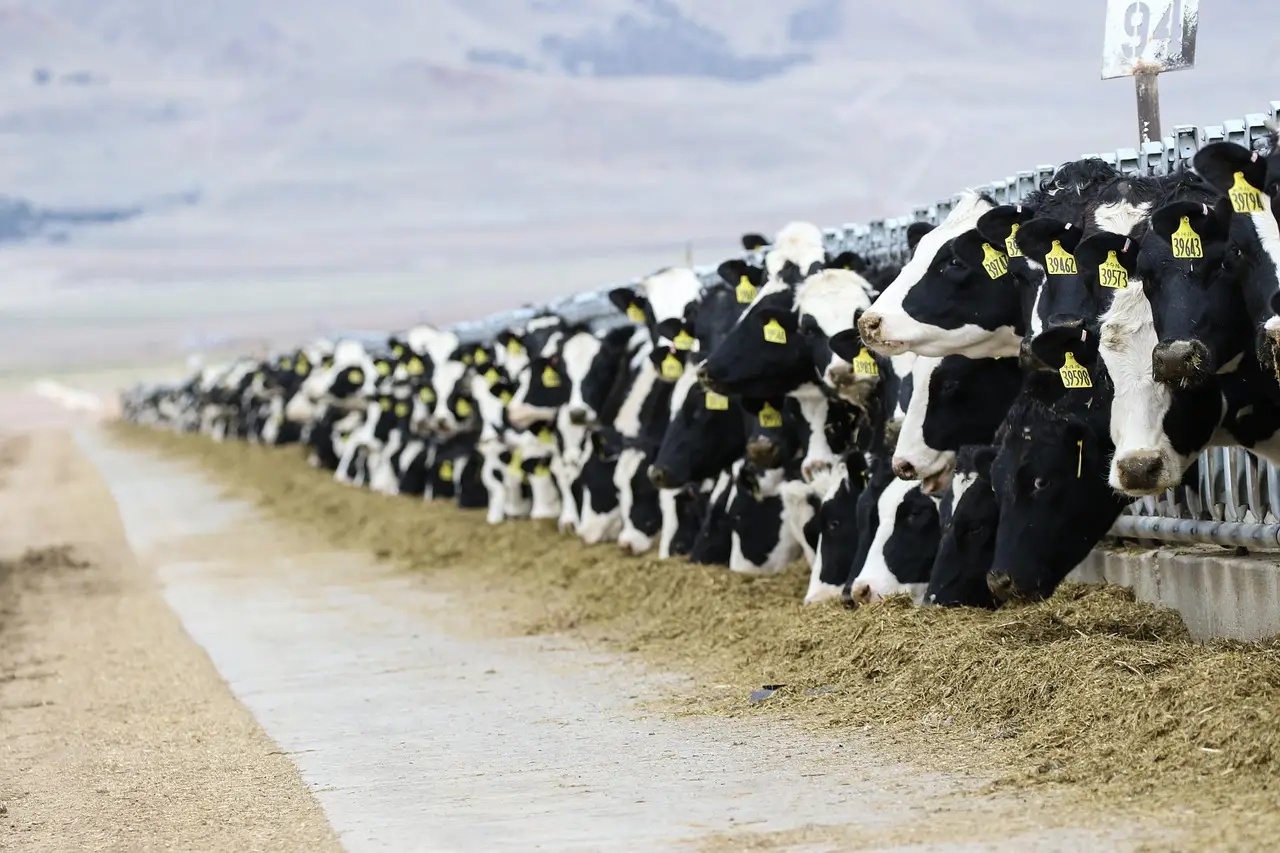
Oregon has logged its first H5N1 avian flu detection in a dairy herd, the U.S. Department of Agriculture announced this week, pushing the number of affected states to 22 since 2024.
The finding comes amid a sharp rise in activity in Washington's Yakima Valley, where United Farm Workers says human infections among dairy workers are being widely underreported. The union blames fear of immigration enforcement. At the same time, a Yakima County resident with an underlying health condition died from H5N1 earlier this month — the only U.S. death from the virus recorded this year.
What did the USDA find, and is milk still safe?
The infected Oregon herd turned up positive through the state's routine surveillance for highly pathogenic avian influenza (HPAI) — the severe form of the bird flu virus — in dairy cattle. Before this detection, the same herd had consistently tested negative under the National Milk Testing Strategy program, a federal effort that monitors milk for signs of the virus.
The USDA moved quickly to reassure consumers. "This detection does not pose a risk to consumer health or affect the safety of the commercial milk supply," the agency said. "The U.S. Food and Drug Administration is confident that pasteurization is effective at inactivating HPAI virus, and that the commercial, pasteurized milk supply is safe."
Pasteurization — the heat treatment that commercial milk undergoes — kills the virus, according to the FDA. Raw milk from infected animals is a different matter, and it sits at the center of the workers' complaints. The bottom line: store-bought milk remains safe.
The USDA said the Oregon case does not change its response strategy. It urged producers to report any livestock showing clinical signs of illness, or any unusually sick or dead wildlife, to their state veterinarian.
Why does a farmworkers' union say cases are being hidden?
United Farm Workers posted a statement on X late Tuesday warning that human H5N1 cases among Yakima Valley dairy workers are going uncounted. The union points to a specific cause: many workers are immigrants, and an ongoing U.S. Immigration and Customs Enforcement surge in the valley is keeping them away from doctors.
"UFW staff are trying to support sick workers, but there are many barriers," the post read. "Workers with milder symptoms are reluctant to be tested or miss work because sick cattle still need care. Workers are very afraid of ICE-related retaliation if they don't follow employers' instructions."
The stakes are concrete. Earlier this month, three people in Yakima County were infected with H5N1, all with occupational exposure to dairy cows. One of them, a resident with an underlying health condition, died. That death was the third recorded U.S. H5N1 fatality since 2024, and the only one this year. The Centers for Disease Control and Prevention counts 74 human H5N1 cases in the United States since 2024, including the three deaths.
The union says the official count misses many more. Sick workers are being offered only goggles and gloves for handling raw milk, according to the statement — thin protection against a virus circulating in the animals and their milk.
"The workers report symptoms that range from mild upper respiratory infection with pinkeye to severe flu symptoms with bone pain, severe cough and high fever," the union said. "We do not have reports that indicate human-to-human transmission, just workplace exposure to infected animals and milk."
That last point matters. No human-to-human spread means the virus is not adapting to pass between people — the scenario epidemiologists watch for. For now, the risk is confined to the workplace.
How fast is the outbreak moving?
The numbers show the strain is accelerating in cattle. In the last 30 days, 51 herds have been hit with H5N1 nationwide. Within the past week, the virus turned up in two herds in Idaho plus the Oregon herd. Washington state alone has logged 43 detections since Oct. 8.
Human risk to the general public remains low, health authorities maintain, and pasteurized dairy products stay safe. The real story is on the farms, where sick animals need care and the people caring for them may be too scared to seek a test.
via phys.org/rss-feed/ (Source)
More from Elena Vasquez
Show full bio
Correspondent covering money, funding and market shifts around general science news at SciBeat.
428 articles
Nearby plates
- Pediatricians Renew Push to Ban Raw Milk, Warn of H5N1 Risk
- FDA Finds Cyclospora at Mexican Farm Behind Record Lettuce Outbreak
- US Loses Measles Elimination Status After 25 Years, WHO Body Rules
- NEJM Publishes Trial Results for mRNA Seasonal Flu Vaccine in Adults
- Experimental Pill Trial Aims to Slow Congo's Deadliest Ebola Outbreak