Plate Nº 18 · recorded November 14, 2026
Science Policy & FundingReported finding
A Federal Crackdown on 7-OH Kratom Products Could Land as Soon as November 13
A DEA restriction on concentrated 7-OH kratom products could take effect Nov. 13, 2026, as poison-center calls rise 1,200% and users report opioid-like addiction.
By Marcus Bennett4 min read796 words
In brief
- Federal restrictions on concentrated 7-OH kratom products could begin as early as Nov. 13, 2026.
- Poison control calls related to kratom rose about 1,200% between 2015 and 2025, with 233 associated deaths.
- The DEA banned three semi-synthetic opioids (MGM-15, MGM-16, MGPI) in August 2026, then narrowed its target after an HHS recommendation on Oct. 9.
- Estimates of U.S. kratom use range from over 5 million to as high as 15 million people.
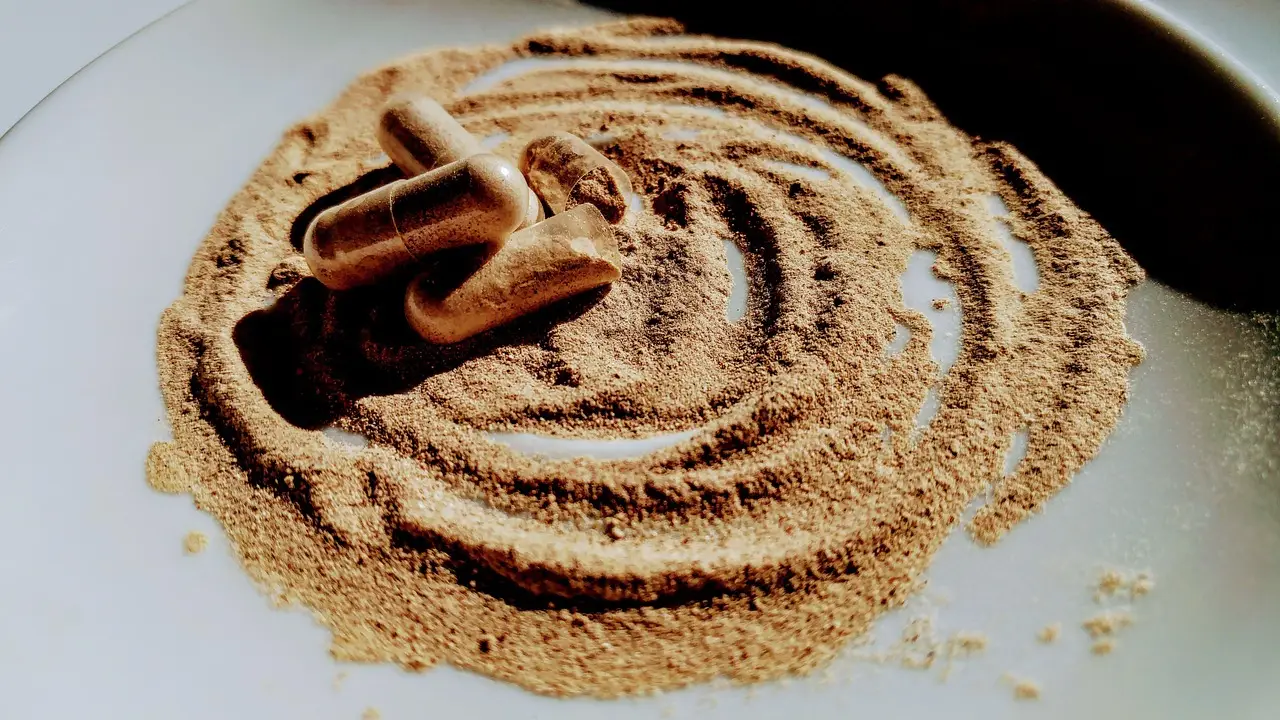
A new federal restriction on certain 7-OH kratom products could take effect as early as Friday, Nov. 13, 2026, closing a loophole that has let tablets, gummies, tonics and chocolate with highly concentrated 7-hydroxymitragynine sell at gas stations, smoke shops and liquor stores nationwide.
7-OH, short for 7-hydroxymitragynine, is one of the main psychoactive compounds in kratom, a tree in the coffee family. It occurs naturally in kratom leaves only in trace amounts, and researchers say it acts more like an opioid in the human brain than traditional leaf powders do.
Poison control data underline why regulators are moving. A recent report drawing on 53 U.S. poison control centers found kratom-related calls rose roughly 1,200% between 2015 and 2025, with 233 associated deaths over that decade. Chris Holstege, a physician and professor of emergency medicine and pediatrics at the University of Virginia's School of Medicine and one of the report's authors, said he and his colleagues "were a bit stunned" by the findings.
Takeaway: emergency-room data, not lobbying alone, is driving the federal timeline.
What does the new rule change?
The path to restriction has zigzagged. In August, the Drug Enforcement Administration banned the making and sale of three semi-synthetic opioids derived from 7-OH — MGM-15, MGM-16 and mitragynine pseudoindoxyl (MGPI) — placing them in the Controlled Substances Act's most restricted tier, alongside heroin and LSD.
The American Kratom Association sued the DEA on Aug. 26, arguing the rule could sweep in natural kratom products containing trace amounts of MGPI. The Department of Health and Human Services then issued a fresh recommendation on 7-OH and MGPI on Oct. 9, and the DEA narrowed its target: only products with higher concentrations of 7-OH and/or MGPI. Both agencies say they are not pursuing "traditional botanical kratom," which remains federally legal.
Takeaway: whole-leaf kratom stays on shelves; concentrated 7-OH products face restriction.
How risky is 7-OH compared with kratom leaf?
The poison control report, based on National Poison Data System calls from the public, clinicians and medical examiners, shows the dangers cluster in combination use. Of the 233 deaths, 79% involved multiple substances — opioids, stimulants or benzodiazepines taken alongside kratom products. But Holstege notes 62% of all calls involved kratom alone, without other drugs.
David Epstein, a senior investigator at NIDA's Intramural Research Program, says his ongoing research suggests addiction risk runs higher with 7-OH than with whole-leaf kratom. Some users, he said, found that after a few days "they had to keep using to avoid withdrawal" — some waking mid-night to dose. Others reported no problems at all.
Usage estimates are wide: some surveys suggest more than 5 million Americans have used kratom; Epstein has seen figures as high as 15 million, though most estimates do not separate leaf kratom from 7-OH products. Labeling is often unclear, so consumers frequently cannot tell how much they are taking.
Takeaway: 7-OH appears more dependence-forming than leaf, but the evidence is still early.
What do users themselves report?
Tyler, 38, who asked NPR to use only his first name, used kratom powders to quit opioids in his 20s. In early 2025 he bought 7-OH tablets at a gas station marketed as kratom. The euphoria "felt like a kind of a miracle," he said — until his dose climbed to 300–400 mg a day and withdrawal hit. "Imagine having the flu, the worst flu you've had... multiply that by at least three times," he said. In March he entered a rapid detox program in Michigan, sedated through withdrawal.
Brian, 41, spent around $150 a day on 1,200 mg of 7-OH after discovering kratom beside a gas-station register in 2022. One tablet "felt like I had taken an Oxycontin," he said. "It was game over." He quit cold turkey in April 2026 and describes the withdrawal — fear, anxiety, gastrointestinal distress — as "a nightmare," worse than quitting opioids.
Others report benefits. Angela Wilson, 44, of Delaware, takes 32–40 mg of 7-OH daily in three doses for endometriosis pain and depression. "It's been truly life-changing for my family situation, my personal life," she said. Uninsured, she called losing access "devastating."
NIDA states on its website that "early studies suggest kratom and kratom compounds warrant further study as experimental treatments for substance use disorders, specifically opioid use disorder."
Holstege, meanwhile, questions the marketing: "I have a growing list of patients in addiction clinics who are addicted to this, and in withdrawal, that we're having to manage."
Tyler has stayed off 7-OH since March, but recovery has taken months, not weeks. "It's just too addictive and too accessible," he said.
via feeds.npr.org (Source)
More from Marcus Bennett
Show full bio
News editor covering regulation, policy and their impact on general science news at SciBeat.
417 articles
Nearby plates
- GLP-1 overdoses hit 25,000 a year as weight-loss drug use surges
- Toad Venom Psychedemic Nasal Spray Eases Depression for Eight Weeks
- Semaglutide Linked to 21% Lower Psychiatric Hospitalization Risk
- Cychlorphine: A New Opioid Up to 10 Times Stronger Than Fentanyl
- Eight Common Food Preservatives Linked to Heart Disease Risk