Plate Nº 91 · recorded November 14, 2026
Science Policy & FundingReported finding
Every U.S. Flight Grounded Three Days After Nationwide AI Traffic Rollout
The FAA halted every U.S. flight on November 13, three days after expanding its AI-driven SMART air traffic system to all 22 regions, citing a telecom outage.
By James Calloway3 min read697 words
In brief
- All U.S. flights were grounded at about 4 P.M. EST on November 13, 2025-era Friday, citing a 'temporary telecommunications outage.'
- The AI-driven SMART system was deployed to all 22 U.S. air traffic regions on November 10, after a September trial around Washington, D.C.
- The last nationwide FAA ground stop was 90 minutes on January 11, 2023, due to a NOTAM system outage.
- L3Harris manages the FAA Telecommunications Infrastructure and did not respond to requests for comment.
- DOGE-related cuts laid off hundreds of FAA workers last year.
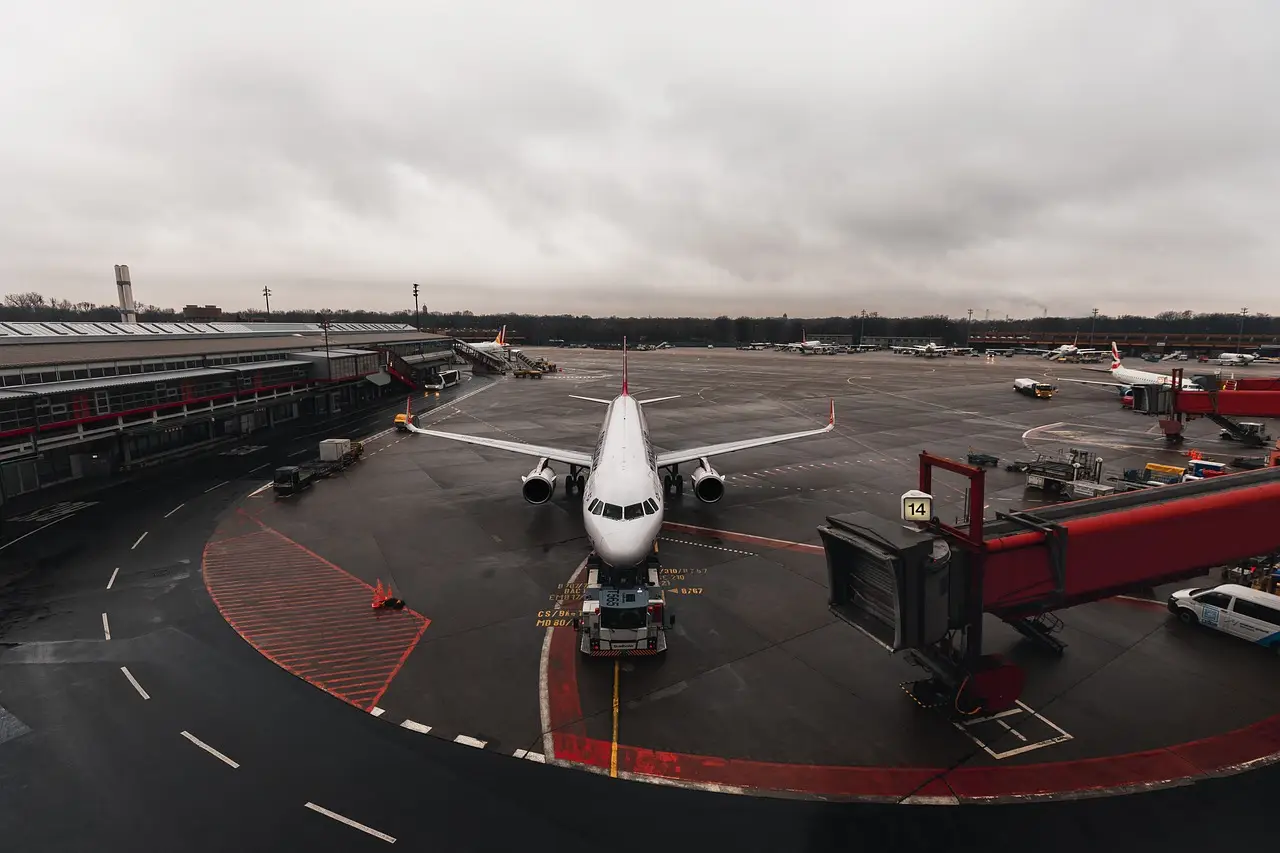
Every domestic and international flight in the United States ground to a halt at about 4 P.M. EST on Friday, November 13 — one of the rarest events in American aviation, arriving just three days after the FAA switched on a nationwide AI-driven air traffic system.
The Federal Aviation Administration blamed a "temporary telecommunications outage" in a post on X and said it had stopped all flights "out of an abundance of caution." That's the official line. What the agency has not said is what actually failed, and whether the timing with its new system is coincidence or cause.
What went live three days earlier?
On November 10, the FAA expanded its Strategic Management of Airspace, Routes and Trajectories system — SMART for short — across all 22 air traffic regions in the country. The system had a trial run in September, covering the National Capital Region, the airspace around Washington, D.C.
SMART is built to chew on several streams of information at once:
- weather patterns,
- flight paths,
- traffic flow,
- controller staffing metrics.
The artificial intelligence-driven system is supposed to "reduce delays and cancellations," according to the FAA's own description. Whether it played any role in Friday's outage is, so far, unproven. The FAA has drawn no such link publicly, and neither has any outside expert. But the calendar is hard to ignore: a sweeping national rollout on Monday, a national ground stop on Friday.
How rare is this?
Very. The last time the FAA stopped flights nationwide was on January 11, 2023, when a failure in the Notice to Air Missions (NOTAM) system — which warns pilots about safety hazards — forced a 90-minute halt. Before that, the only comparable nationwide stop came immediately after the September 11, 2001 terror attacks. Friday's grounding hit on the eve of the pre-Thanksgiving travel rush, when millions of passengers would normally be boarding flights home for the weekend.
Who runs the broken pipeline?
The FAA Telecommunications Infrastructure is managed by L3Harris, a Silicon Valley-based aerospace and defense contractor that serves federal agencies. L3Harris did not immediately respond to requests for comment. The FAA itself offered little: "FAA technicians are investigating the issue. We will provide updates."
That's thin. No timeline, no technical detail, no word on how many flights or passengers were affected.
What do experts think happened?
Ruth Stilwell, an air traffic controller and aerospace policy expert, speculates the outage may stem from a software problem — possibly an update gone wrong in the Voice Switching and Control System, which handles communications between pilots and controllers. Speculation, note. Not a confirmed diagnosis.
One thing she wants cleared up fast: this is not Microsoft. Stilwell explicitly rules out any connection to the widespread Microsoft product outage that ran Thursday into Friday.
CBS News reported that a software update to the private communications system may have triggered a system-wide reboot, causing it to crash. If so, someone pushed an update at a bad moment. "It would be unusual for them to do a software update during the day, but the FAA is very short-staffed," Stilwell says. Last year, cuts associated with the Department of Government Efficiency laid off hundreds of FAA workers — a staffing hole that may now matter.
Was grounding everything an overreaction?
No, according to Stilwell. Even if the underlying fault was small, she says, grounding planes while the agency reaches airborne pilots through backup channels is standard procedure. "The ground stop was the right thing to do," she says. "Planes in the air are the top priority. The safety of those flights is way more important than anybody's delay. The planes on the ground are safe."
What does this change for travelers?
In the short term, expect cascading delays and cancellations into the Thanksgiving travel window, since aircraft and crews end up stranded in the wrong cities even after a stop lifts. In the longer term, Congress and regulators will face sharp questions about an air traffic network that is aging, understaffed, and now freshly dependent on AI — with no public accounting yet of how those pieces fit together.
This is a developing story and will be updated.
via scientificamerican.com (Source)
More from James Calloway
Show full bio
Staff writer covering regulation, policy and their impact on general science news at SciBeat.
368 articles