Plate Nº 88 · recorded September 29, 2026
Space & AstronomyReported finding
NASA Greenlights New Boeing Starliner Missions After Troubled Test Flight
NASA will fly Boeing's Starliner again, starting with an uncrewed ISS mission no earlier than December and a crewed flight planned for 2028 after propulsion failures stranded two astronauts.
By Nathan Brooks3 min read591 words
In brief
- Starliner's June 2024 test flight was classified by NASA as a 'Type A' mishap, the same category as the Challenger and Columbia shuttle disasters.
- Astronauts Suni Williams and Butch Wilmore spent nine months on the ISS after propulsion problems made Starliner unfit to fly them home.
- An uncrewed validation mission is expected no earlier than December, with a crewed Starliner Two flight planned for 2028, NASA Administrator Jared Isaacman said.
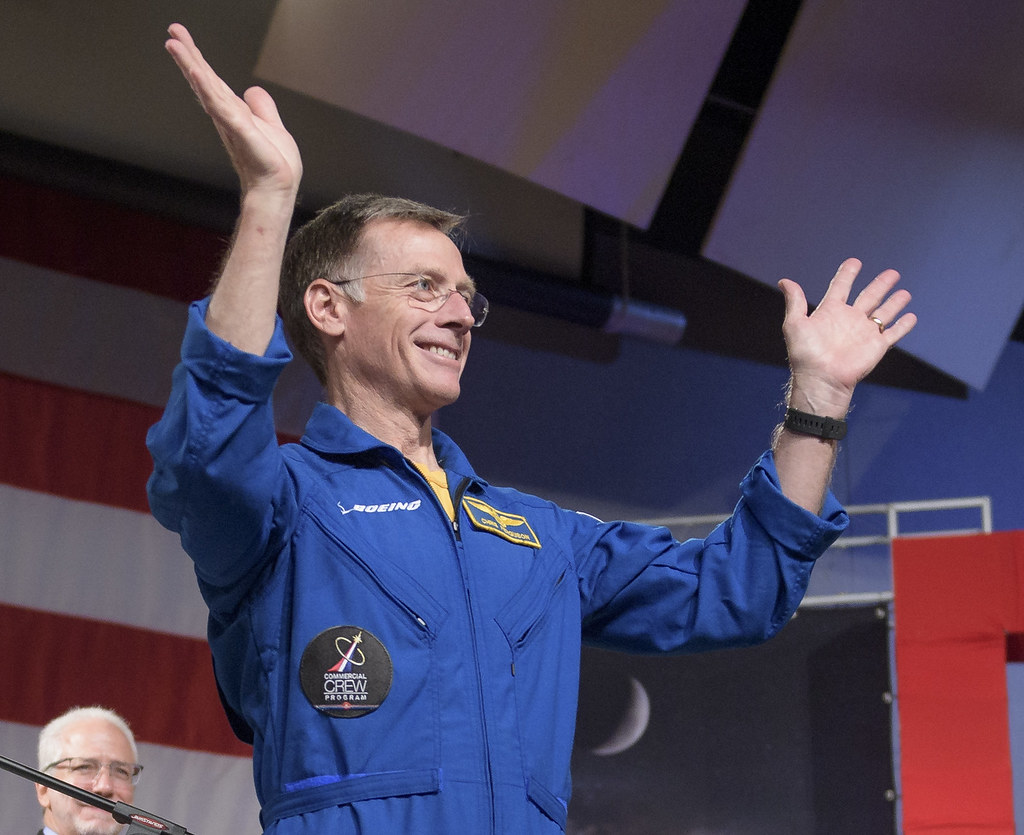
NASA announced on Monday that it will fly Boeing's Starliner spacecraft again, scheduling two new missions that mark the capsule's return to service after a test flight that left two U.S. astronauts stranded on the International Space Station for nine months.
The decision comes after an extended effort by NASA and Boeing to fix the problems that grounded the vehicle, and it gives the spacecraft a central role in the space agency's long-term plans.
What went wrong last time
Starliner last flew in June 2024, when it carried NASA astronauts Suni Williams and Butch Wilmore to the ISS. Their mission was supposed to be short — somewhere between eight and 14 days. Instead, the spacecraft's propulsion system malfunctioned in orbit, and NASA concluded that Starliner could not safely bring the crew home.
Williams and Wilmore stayed aboard the orbiting outpost for nine months before they were able to return to Earth.
The severity of the episode became clearer when NASA published its assessment of the test flight. The agency blamed engineering vulnerabilities in the spacecraft and classified the flight as a "Type A" mishap. That is the same classification the space agency applied to the Challenger and Columbia space shuttle disasters, both of which killed their crews.
The recovery plan
Boeing and NASA have since worked to correct the issues behind the failure. The first of the two new missions, an uncrewed flight, is expected no earlier than December. It will travel to the ISS to check that the fixes actually work in space.
"The first mission ... will be uncrewed and return to the ISS 'to validate the recent remediation effort,'" NASA Administrator Jared Isaacman told reporters on Monday.
The second flight, Starliner Two, will carry astronauts. "From there, we will gather data, continue implementing the remaining changes recommended in the (Program Investigation Team) report, and plan for a crewed Starliner Two mission in 2028," Isaacman said.
In other words, NASA is taking a step-by-step approach: fly the spacecraft without a crew first, study the results, finish the corrective work recommended by investigators, and only then put people on board.
Why Starliner matters
A successful crewed Starliner mission is not just a matter of prestige for Boeing. It has become a practical necessity for NASA.
Since 2020, SpaceX's reusable Crew Dragon capsules have been the only other spacecraft carrying U.S. astronauts to the ISS. But SpaceX has said it plans to end production of those capsules. If that happens and Starliner is not ready, the United States could lack a domestic vehicle to transport its astronauts to the station.
That makes the upcoming flights a critical test — not only of Boeing's engineering fixes, but of the country's ability to maintain independent access to orbit.
What to watch
The December uncrewed launch, if it stays on schedule, will be the first concrete evidence of whether the remediation effort has succeeded. Analysts and investigators will be watching the propulsion system in particular, since its in-orbit failure was the reason Williams and Wilmore could not fly home on Starliner.
A clean uncrewed flight would clear a path toward the crewed Starliner Two mission in 2028. Any new problem, however, would raise fresh questions about the program's future — and about how NASA will keep its crews flying to the station once Crew Dragon production winds down.
For now, the schedule is ambitious but cautious: no crew until the spacecraft proves itself once more, and no shortcuts around the changes that investigators demanded.
via Phys.org Space & Astronomy (Source)
More from Nathan Brooks
Nearby plates
- NASA Doubles Down on Boeing's Starliner After Stranded-Astronaut Saga
- NASA and Boeing Map Starliner's Road Back to Crewed Flight
- Starship Reaches Orbit for the First Time and Deploys 26 Starlink Satellites
- NASA Draws Lessons From Failed Swift Orbit-Boost Mission
- NASA Draws Lessons From Swift Boost Mission That Fell Short