Plate Nº 91 · recorded September 29, 2026
Space & AstronomyReported finding
NASA and Boeing Map Starliner's Road Back to Crewed Flight
NASA will add two Starliner crew missions and certify the Vulcan rocket, starting with an uncrewed test flight as early as December and astronauts by 2028.
By Marcus Bennett4 min read862 words
In brief
- NASA plans an uncrewed Starliner-1 flight in December 2026 or January 2027, with astronauts returning on Starliner-2 by 2028.
- A NASA investigation into the troubled 2024 Crew Flight Test produced 61 recommendations; thruster problems traced to thermal conditions and design factors.
- NASA will exercise options for fifth and sixth Starliner station missions and work to certify ULA's Vulcan rocket for crew after Atlas V retires.
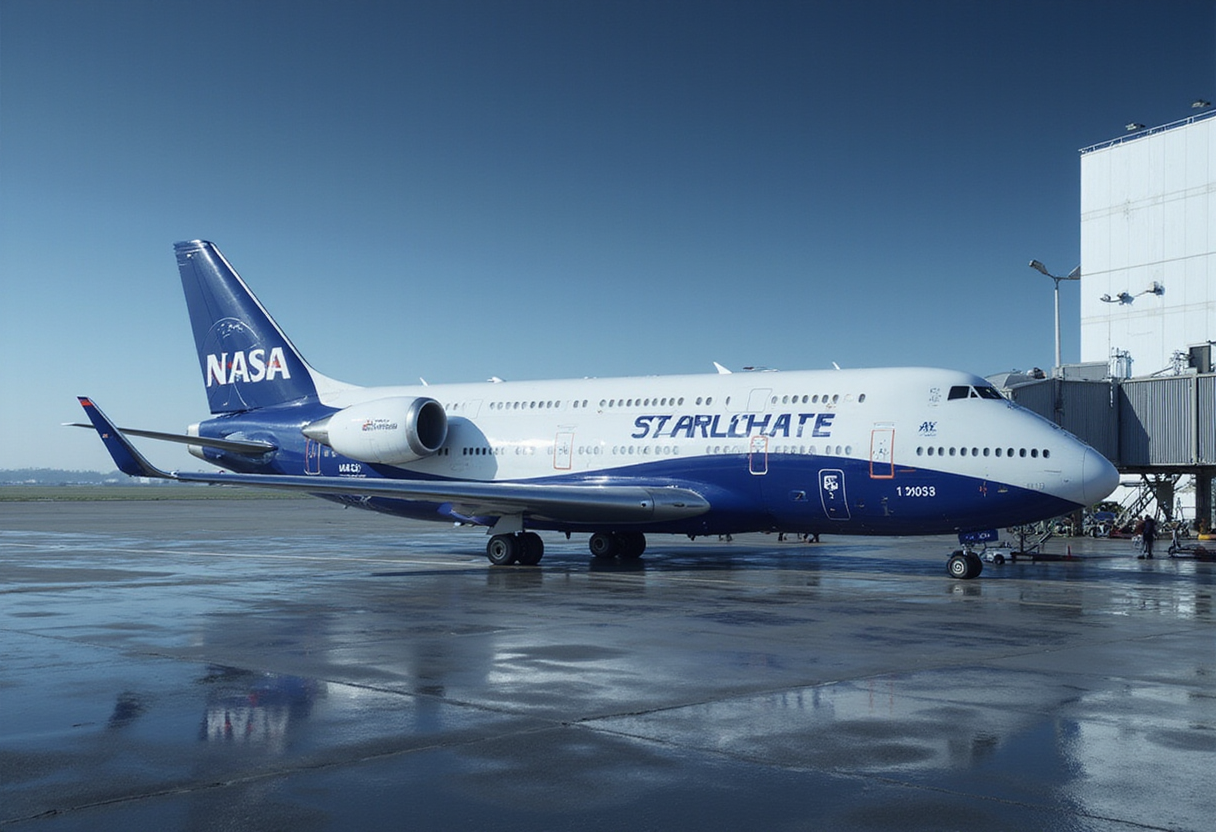
NASA and Boeing have laid out a step-by-step plan to return the Starliner spacecraft to flight, adding two more crew missions to the International Space Station and lining up a new rocket to carry the capsule to orbit. The announcement, made Monday, outlines a cautious comeback for a vehicle whose first crewed flight in 2024 ended with its two astronauts returning home on a different spacecraft.
Under the plan, NASA intends to exercise contract options for a fifth and sixth Starliner mission to and from the space station. The agency will also work with Boeing and United Launch Alliance to certify the Vulcan rocket for crewed launches, taking over from the Atlas V rocket, which is nearing its final flight.
The roadmap starts small. "We are starting with an uncrewed Starliner-1 mission to the International Space Station to validate the improvements made to the spacecraft and gather the flight data we need," said NASA Administrator Jared Isaacman. "From there, we will use what we learn, continue implementing the corrective actions identified by our Program Investigation Team, and complete the testing and certification required for crewed flight. Our current plan is to return astronauts on Starliner-2 by 2028."
That uncrewed flight, described as an engineering evaluation mission, has the potential to launch in December of this year or January 2027.
What went wrong in 2024
Starliner's troubles came to a head during its Crew Flight Test, which launched NASA astronauts Butch Wilmore and Suni Williams to the space station in June 2024. Problems with thrusters on the spacecraft's service module — the section that houses propulsion — forced NASA to send the capsule home empty while the crew returned months later aboard a SpaceX Dragon.
In February, NASA released the findings of its Program Investigation Team. The report identified 61 recommendations for the agency aimed at ensuring future missions meet the standards required for human spaceflight.
The investigation pinpointed the core problem: the service module's reaction control thrusters — small engines used to steer the spacecraft — were operating outside the conditions they had been qualified for, which led to the loss of control experienced during the flight. Through extensive ground testing and analysis, NASA and Boeing determined that the thruster performance issues stemmed from a combination of factors, including the thermal environment the thrusters experienced and features inherent in their design.
The fixes
Boeing has already made thermal modifications to the service module, which NASA will evaluate for improved performance on Starliner-1. The two organizations have also jointly decided to pursue an additional thruster valve design change as part of the push toward certification and future crewed flights.
That valve modification targets a specific failure mode: poppet seal extrusion, a deformation of the small seals inside the valves that adversely affected thruster performance. Engineers will complete the change after the uncrewed flight.
Boeing will implement other upgrades across the spacecraft as well. These include new crew module thrusters, new batteries, and minor modifications to the parachute system, all intended to improve performance and reliability in support of certification.
The uncrewed Starliner-1 mission will verify the improved thermal environments, collect the performance data needed to formally qualify the propulsion system, and identify any residual risk before astronauts fly again.
"Starliner's next flight is a critical step on the path to achieving full system certification and ensuring a sustained human presence in low Earth orbit," said Dana Weigel, manager of NASA's Low Earth Orbit Program. "With the safety of our space station crew and the public as our highest priority, we will test Starliner's propulsion system through targeted demonstration objectives and disciplined operational controls. These steps are essential to validating Starliner's thermal performance which is a key element for the certification."
Why NASA is sticking with Starliner
NASA's commercial crew program has always aimed to maintain more than one U.S. option for carrying astronauts to orbit, reducing dependence on any single provider. Isaacman framed the decision in historical terms.
"We are living through the most exciting era of space exploration since Apollo," he said. "As this domain continues to open, there will be growing demand for launch vehicles, transfer stages, landers, and, of course, spacecraft that carry astronauts. NASA has been committed to having multiple crew transportation options since the beginning of the Commercial Crew Program. We have worked closely with Boeing to address the issues identified on previous Starliner flights, and we intend to see this vehicle return to flight in support of the International Space Station and future commercial destinations."
The stakes extend beyond a single spacecraft. NASA sees a second operational crew vehicle as essential for responsibly concluding space station operations, transitioning to commercially owned stations, and expanding commercial access to space.
The timeline is ambitious, and the schedule — like the 2028 crewed-flight target — remains a plan rather than a guarantee. Much depends on what the uncrewed Starliner-1 flight reveals about the fixes now in place. But with 61 recommendations from the investigation in hand and a defined sequence of test flights, modifications, and certification work ahead, Starliner now has its clearest path yet back to carrying astronauts.
via x.com (Original)
More from Marcus Bennett
Nearby plates
- NASA Doubles Down on Boeing's Starliner After Stranded-Astronaut Saga
- NASA Greenlights New Boeing Starliner Missions After Troubled Test Flight
- Starship Reaches Orbit for the First Time and Deploys 26 Starlink Satellites
- NASA Picks Three New Payload Suites to Scout Its Future Moon Base
- NASA Draws Lessons From Failed Swift Orbit-Boost Mission