Plate Nº 43 · recorded November 14, 2026
Space & AstronomyReported finding
SpaceX Aims for First-Ever Orbiter Catch as Starship Flight 15 Launches
Starship Flight 15 launched from Texas with 26 Starlink satellites. The booster catch was waved off, but Ship 42 will attempt the first-ever orbital spacecraft catch on Nov. 14.
By Elena Vasquez4 min read733 words
In brief
- Ship 42 lifted off at 5:47 EST on Flight 15 from Starbase, South Texas.
- The Super Heavy booster diverted to an offshore splashdown after engine trouble, skipping its tower catch.
- The orbiter will attempt the first-ever catch of an orbital spacecraft around 4:15 P.M. EST on November 14.
- The flight deployed 26 next-generation Starlink satellites and is Starship's longest orbital mission yet.
- SpaceX has proposed a $24-billion gas-fired power plant and supercomputing complex at Starbase.
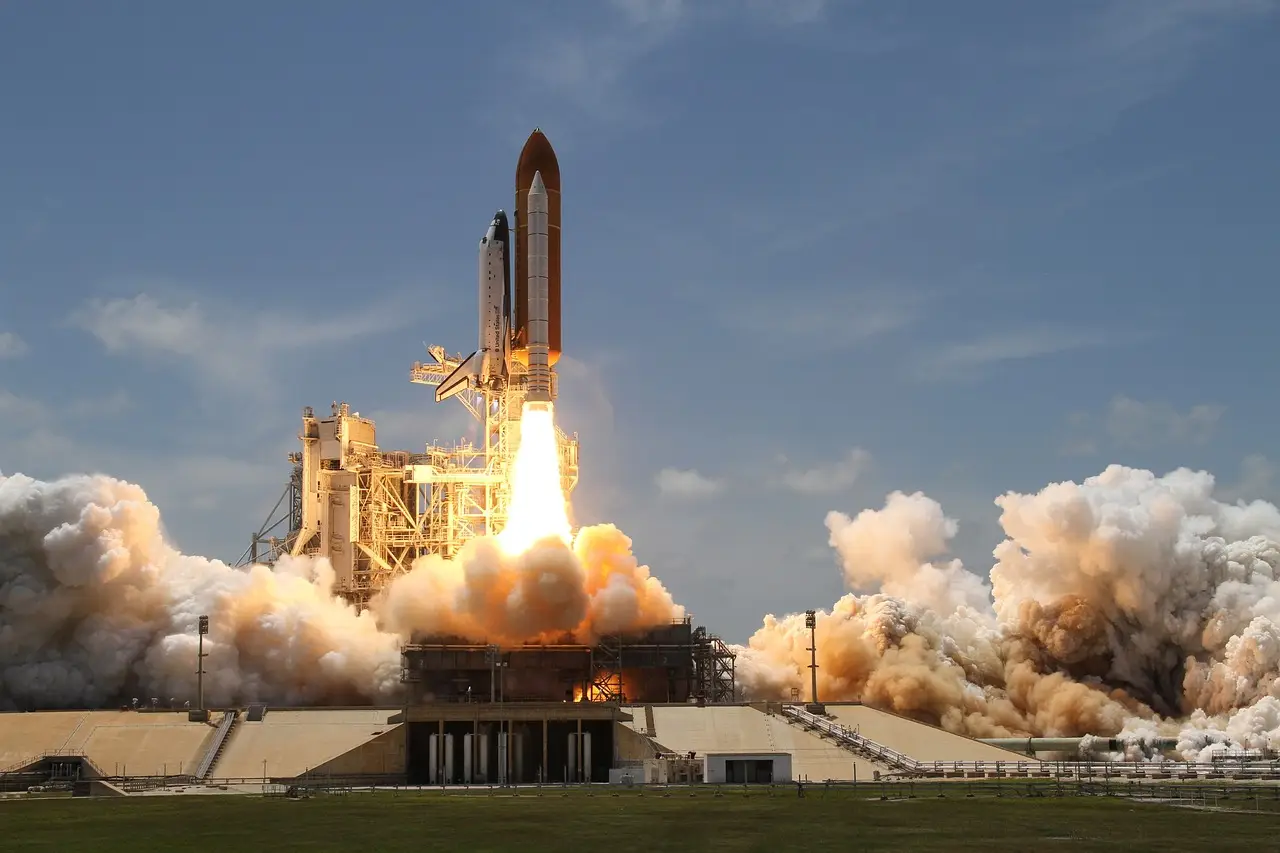
SpaceX launched its 15th Starship test flight at 5:47 EST from Starbase, South Texas — the first attempt ever to catch a returning orbital-class spacecraft with mechanical arms on the ground.
The Starship orbiter, officially named "Ship 42," rode to space atop a Super Heavy booster with a deceptively simple goal: reach orbit, deploy 26 next-generation Starlink satellites, then return both stages to Earth intact and essentially ready to fly again. The Federal Aviation Administration issued the launch license Friday afternoon, just hours before liftoff.
The stakes are enormous. Elon Musk says the two-stage vehicle — the largest and most ambitious rocket ever built — will someday carry humans to the moon and Mars. More immediately, Starship anchors SpaceX's plan to expand its Starlink satellite internet constellation and, eventually, to pack a million data-center satellites into orbit around Earth.
But all of that depends on one transformative promise: full reusability.
What happened during the flight?
The 33 engines on the Super Heavy booster ignited and propelled the spacecraft toward orbit before the two vehicles separated. The booster was then expected back at Starbase about six and a half minutes after liftoff for a precision catch by the launch tower's enormous mechanical arms — a maneuver SpaceX has demonstrated in previous tests.
It didn't happen. Trouble with some of the booster's engines forced a diversion into an offshore splashdown instead.
The orbiter fared better. Ship 42 continued into orbit, where it will circle Earth roughly 14 times over nearly a full day before attempting its own homecoming at Starbase. If all goes to plan, it will return around 4:15 P.M. EST on November 14 — the first try at catching the orbiter itself midair.
The simple version: one flight, not quite two catches. The booster missed its catch; the spacecraft gets its shot later.
Why does reusability matter so much?
SpaceX's retiring workhorse rocket, the Falcon 9, already lofts Starlink satellites routinely. But a fully operational Starship could loft them in far larger and more frequent batches. That would pave the way for huge numbers of orbital data centers serving artificial intelligence — a business plan that only pencils out with cheap, rapid reuse.
Even a flawless recovery of both stages wouldn't close the case. The real prize remains untested: showing that SpaceX can rapidly turn around both the booster and orbiter for a fast return to flight. Success there would put the company on track toward Musk's projection of roughly one Starship launch per week in the first half of 2027.
Flight 15 follows Flight 14, which reached orbit and deployed a batch of operational Starlink satellites but ended early after an engine issue on Starship forced a Pacific Ocean splashdown. That mission's booster splashed down as planned in the Gulf of Mexico. Flight 15 should also mark Starship's longest-yet stay in orbit.
The bottom line: rapid reuse, not a single catch, is what makes Starship an economic machine.
What does this mean for the moon?
The test is essential preparation for NASA's Artemis program, which seeks to return U.S. astronauts to the moon before the end of 2028. SpaceX is developing a modified Human Landing System (HLS) version of Starship — in plain terms, a lunar lander — to ferry crews between lunar orbit and the moon's surface.
Artemis III, targeted for next summer, comes first. Starship is set to launch, rendezvous and dock in low-Earth orbit with NASA's Orion spacecraft carrying four astronauts. Rival Blue Origin is also part of that mission: a test version of its Blue Moon Mark 2 lander will link up with Orion too.
Future test flights must also crack in-space refueling. A round trip to the moon in the heavy HLS requires more fuel than a single Starship can carry to orbit.
Could politics complicate things?
Possibly. Texas governor-elect Gina Hinojosa campaigned against energy-intensive data centers and has pledged to pause new approvals until stronger protections are in place. The timing is awkward: SpaceX has just disclosed a proposed $24-billion gas-fired power plant and supercomputing complex at Starbase, and is seeking local tax incentives for the project.
Despite the booster's wave-off, the pressing question remains whether Starship can do something no orbital-class rocket has done before: come home, and be caught in one piece.
via scientificamerican.com (Source)
More from Elena Vasquez
Show full bio
Correspondent covering money, funding and market shifts around general science news at SciBeat.
414 articles
Nearby plates
- SpaceX Aims to Catch Both Starship Stages for the First Time
- SpaceX Aims for First-Ever Double Starship Landing on Friday
- Starship Reaches Orbit for the First Time and Deploys 26 Starlink Satellites
- SpaceX Aims for First-Ever Double Catch of Starship's Two Stages
- Starship Reaches Orbit for First Time, Delivers 26 Starlink Satellites