Plate Nº 42 · recorded November 12, 2026
Space & AstronomyReported finding
SpaceX Aims for First-Ever Double Starship Landing on Friday
SpaceX targets Friday, Nov. 13 for Starship Flight 15, attempting the first-ever recovery of both stages — booster catch 6.5 minutes after liftoff, ship landing 22.5 hours later.
By Elena Vasquez3 min read650 words
In brief
- Liftoff is set for no earlier than 5:45 p.m. EST Friday, Nov. 13, in a 75-minute window.
- The Super Heavy booster catch comes about 6.5 minutes after liftoff; the Starship upper stage lands about 22.5 hours later, near 4:17 p.m. EST Saturday.
- Starship will deploy 26 Starlink V3 satellites and complete roughly 14 Earth orbits.
- The previous Starship test flight on Sept. 28 lasted about three hours before ending early as a safety precaution.
- Contingency splashdown sites include the Pacific near Hawaii, off Chile, and the Gulf of Mexico.
By Elena Vasquez
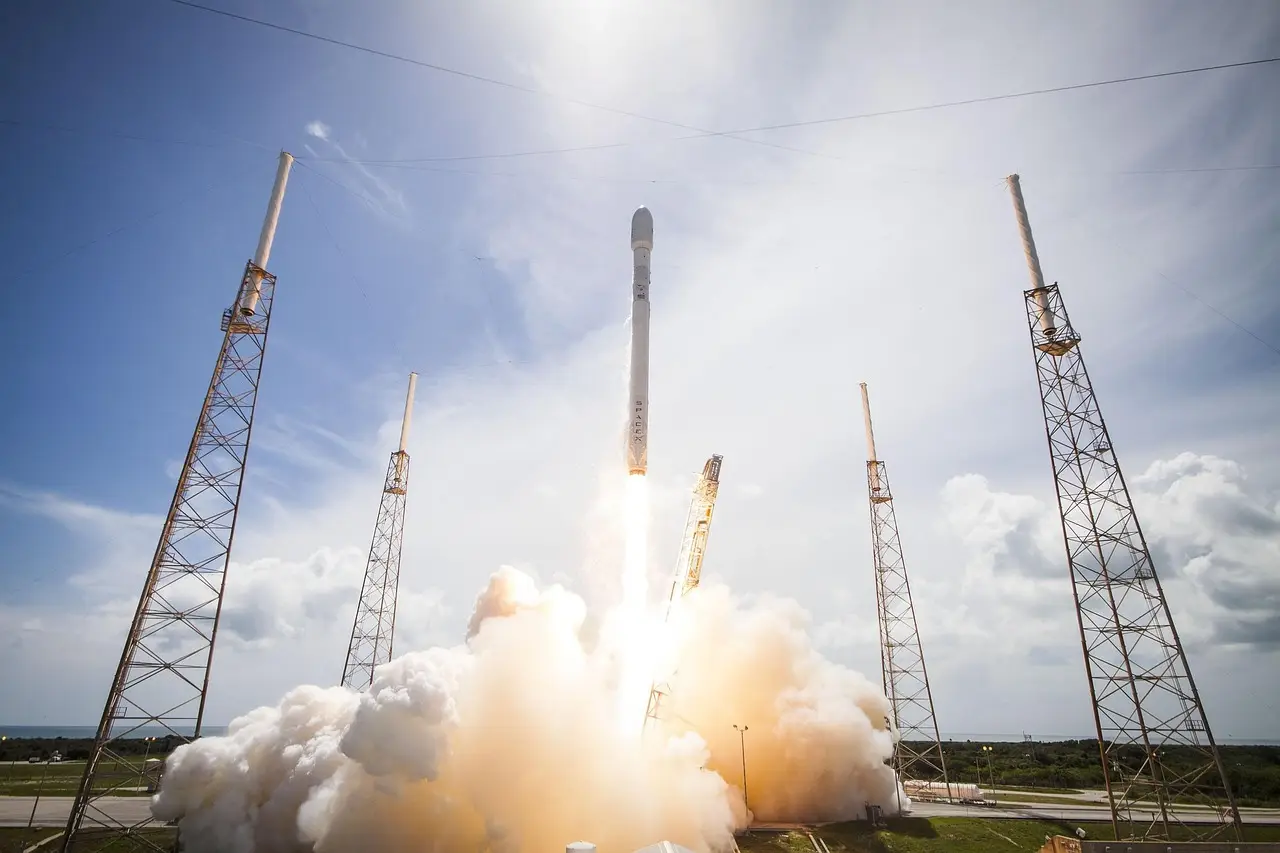
SpaceX is targeting Friday, Nov. 13, for the 15th test flight of its Starship rocket — a mission that, if all goes to plan, will deliver the first full recovery of an orbital-class launch system, with both stages flown back to the launch site in South Texas.
Liftoff is scheduled for no earlier than 5:45 p.m. EST from SpaceX's Starbase facility, with a 75-minute launch window running through 7 p.m. depending on weather and technical conditions. A live webcast begins about 30 minutes before liftoff on SpaceX's official website and its X account, with coverage planned through the ship catch and potentially hours of live views from Starship in orbit, powered by Starlink.
The flight would mark the first time an entire orbital-class rocket — booster and upper stage together — comes home intact. That's the whole ballgame for SpaceX, which wants a fully reusable system to support future lunar and Mars missions.
What happens during the flight?
The mission unfolds in two recovery attempts separated by more than 22 hours.
- The Super Heavy booster, designated Booster 22, returns roughly six-and-a-half minutes after liftoff. SpaceX will try to catch it with the giant mechanical arms mounted on the launch tower.
- The Starship upper stage reaches orbit, deploys 26 Starlink V3 satellites, then loops Earth roughly 14 times before heading back to Starbase.
- The upper-stage landing attempt comes about 22.5 hours after launch — Saturday, Nov. 14, at approximately 4:17 p.m. EST, if the timeline holds.
One catch, literally. SpaceX will attempt the upper-stage recovery only if flight controllers confirm the spacecraft's critical systems are working properly for atmospheric reentry and landing.
Why this flight matters
The mission is a significant test of SpaceX's long-term vision: rapidly reusable space transportation. Starship is being built to launch Starlink satellites, haul cargo, carry NASA astronauts to the lunar surface under the Artemis program, and eventually fly humans to Mars.
A successful recovery of both stages would be a landmark for the commercial space industry and could help establish a new generation of reusable launch systems. Reusability drives down cost, and cost drives everything else in the launch business.
Flight 15 builds on the previous Starship test mission on Sept. 28, which flew about three hours and two Earth orbits before ending early as a safety precaution. This time SpaceX has designed a mission lasting more than 22 hours — but with multiple built-in escape hatches.
The company has lined up contingency splashdown locations in the Pacific Ocean near Hawaii, off the coast of Chile, and in the Gulf of Mexico if controllers need a controlled early return. Weather or technical issues could still push Friday's launch to another day.
How to watch
SpaceX's official coverage starts approximately 30 minutes before liftoff, at 5:15 p.m. EST, on the company's website and X account. NASASpaceflight will offer extended coverage beginning at 11:45 a.m. Friday, with live commentary and camera views from around the Starbase launch complex.
For in-person viewing, SpaceX does not operate an official public site, but spectators have options near South Padre Island:
- Cameron County Amphitheater at Isla Blanca Park
- Designated pull-off areas along Highway 48 between Port Isabel and Brownsville
- Private viewing accommodations at Rocket Ranch
What's the bottom line?
Friday's launch is a rehearsal for how SpaceX expects to fly routinely: launch, land, refuel, fly again — both pieces of the rocket, same place, within a day. That's never been done with an orbital-class system, and the odds are genuinely uncertain given the conditions attached to the upper-stage attempt. But if Booster 22 lands in the tower's arms and Starship touches down at Starbase on Saturday afternoon, the reusable-rocket era takes its biggest single step forward yet.
via spacecoastdaily.com (Source)
More from Elena Vasquez
Show full bio
Correspondent covering money, funding and market shifts around general science news at SciBeat.
384 articles
Nearby plates
- Starship Reaches Orbit for the First Time and Deploys 26 Starlink Satellites
- Starship Reaches Orbit for First Time, Delivers 26 Starlink Satellites
- SpaceX Aims for First Starship Orbital Flight on 14th Test
- Starship Flight 15 targets Nov. 13, but dual catch needs FAA approval
- SpaceX Readies Double Catch of Starship Booster and Ship on Flight 15