Plate Nº 28 · recorded November 13, 2026
Space & AstronomyReported finding
SpaceX Aims for First-Ever Double Catch of Starship's Two Stages
SpaceX's Flight 15, launching Nov. 13, will try to catch both Super Heavy and Ship with the tower's chopstick arms — the first full recovery of an orbital rocket system.
By Marcus Bennett3 min read655 words
In brief
- Flight 15 launches Nov. 13 during a 75-minute window opening at 5:45 p.m. EST from Starbase, Texas.
- SpaceX will attempt to catch both stages with the tower's chopstick arms — never done before with Ship.
- Super Heavy returns for its catch 6.5 minutes after launch; Ship follows about 22.5 hours later on Nov. 14.
- Ship will deploy 26 Starlink V3 satellites, the second such batch after 26 launched Sept. 28 on Flight 14.
- If problems arise, Ship will splash down in the Pacific near Hawaii or off Chile.
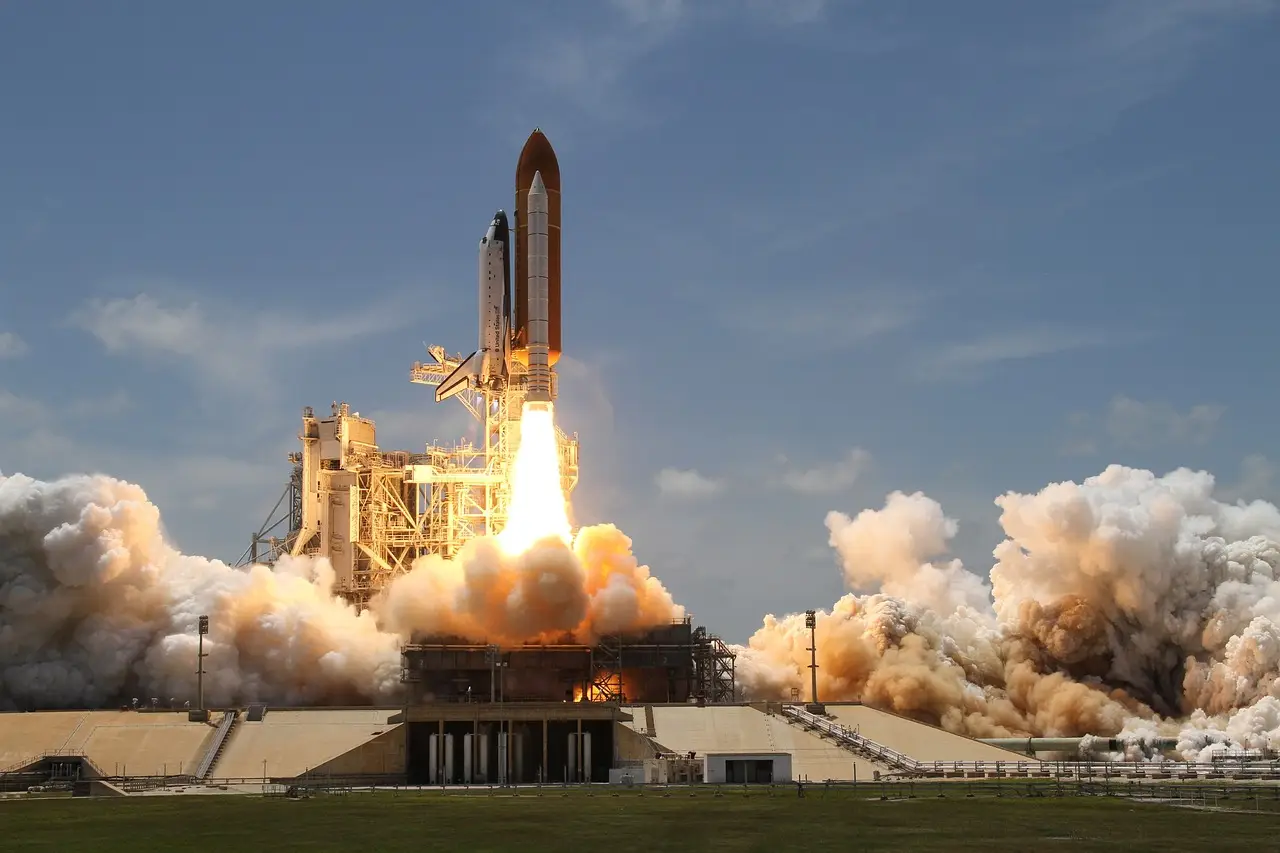
SpaceX will try something no one has done before on Nov. 13: launching its Starship megarocket and catching both of its stages back at the launch tower. If the company pulls it off, it will mark the first full recovery of an orbital launch system.
Starship Flight 15 is scheduled to lift off from SpaceX's Starbase site in South Texas during a 75-minute launch window that opens at 5:45 p.m. EST (2245 GMT; 4:45 p.m. local Texas time). The mission, if all goes to plan, will run more than 22 hours and end with a Ship catch on the afternoon of Nov. 14.
What makes this flight historic?
Starship consists of two elements: a huge first-stage booster called Super Heavy and an upper-stage spacecraft called Ship. Both are designed to be fully and rapidly reusable — a first in orbital spaceflight.
Rapid reuse depends heavily on how SpaceX recovers the hardware. Returning both vehicles directly to the launch mount lets engineers inspect, refurbish and refly them much faster than if they splashed down in the ocean, the company has said.
SpaceX has already caught Super Heavy with the launch tower's "chopstick" arms three times on previous test flights. It has never attempted the same maneuver with Ship, which flies farther and faster than the booster, making it a harder vehicle to recover.
The stakes are clear in SpaceX's own words. "If successful, this will mark the first full recovery of an orbital launch system and a breakthrough moment in making Starship a reliable, rapidly reusable rocket," the company wrote in its Flight 15 mission description.
In short: catching both stages would prove the recovery system works end to end, not just for the booster.
How will the 22-hour mission unfold?
The action will stretch over two days:
- Liftoff is set for the window opening at 5:45 p.m. EST on Nov. 13.
- Super Heavy returns first. The booster will fly back to Starbase and touch down in the tower's chopstick arms just 6.5 minutes after launch.
- Ship continues to low Earth orbit. About 35 minutes after liftoff, the upper stage will begin deploying 26 of SpaceX's next-generation Starlink V3 satellites, a process scheduled to take 42 minutes.
- Ship stays aloft nearly a full day. The mission plan calls for the spacecraft to return to Starbase for its own chopsticks catch on Saturday afternoon, Nov. 14, roughly 22.5 hours after liftoff.
The satellite deployment is itself a milestone. This is only the second batch of V3 spacecraft to reach orbit, following the 26 launched on Flight 14 on Sept. 28.
What happens if something goes wrong?
There is no guarantee the plan holds. SpaceX has said it will call off the Ship catch if the vehicle experiences any problems during Flight 15. In that case, the company will steer Ship to a splashdown in the Pacific Ocean, either near Hawaii or off the coast of Chile.
That fallback matters for practitioners watching the flight: a Pacific splashdown would preserve the mission's other objectives while delaying the reusability milestone SpaceX is chasing.
Why the catch matters more than the launch
SpaceX has launched Starship fourteen times before. What it has never demonstrated is recovering the complete system — booster and spacecraft — from a single flight.
Super Heavy's three previous catches showed the tower mechanism works for the booster. Flight 15 extends the same approach to a vehicle that reaches orbital velocity, testing whether the recovery strategy scales to the harder half of the system.
Success would give SpaceX two refurbished stages back on the mount, ready for inspection and reflight — the operational loop the company says it needs to make Starship reliable and inexpensive to fly.
The weekend will be busy for the company and for space watchers tracking the attempt. One number defines the outcome: two catches, or none.
via space.com (Source)
More from Marcus Bennett
Show full bio
News editor covering regulation, policy and their impact on general science news at SciBeat.
404 articles
Nearby plates
- SpaceX Aims for First-Ever Double Starship Landing on Friday
- Starship Flight 15 Launches Nov. 13 — Here's How to Spot It
- SpaceX Readies Double Catch of Starship Booster and Ship on Flight 15
- SpaceX aims for first-ever catch of Starship on flight 15
- Starship Flight 15 targets Nov. 13, but dual catch needs FAA approval