Plate Nº 88 · recorded September 29, 2026
Space & AstronomyReported finding
NASA Doubles Down on Boeing's Starliner After Stranded-Astronaut Saga
NASA will spend $359 million more to fix Boeing's Starliner, targeting a cargo flight by December and a crewed mission in 2028 after the 2024 stranding.
By Elena Vasquez4 min read726 words
In brief
- NASA reclassified Boeing's 2024 Starliner mission as a Type A mishap, its most severe category for crew-endangering incidents.
- A new cargo-only Starliner flight could launch by December, with astronauts not flying until 2028 after further safety redesigns.
- The extra upgrades and rocket certifications will cost NASA an additional $359 million, including fixes to valves and seals.
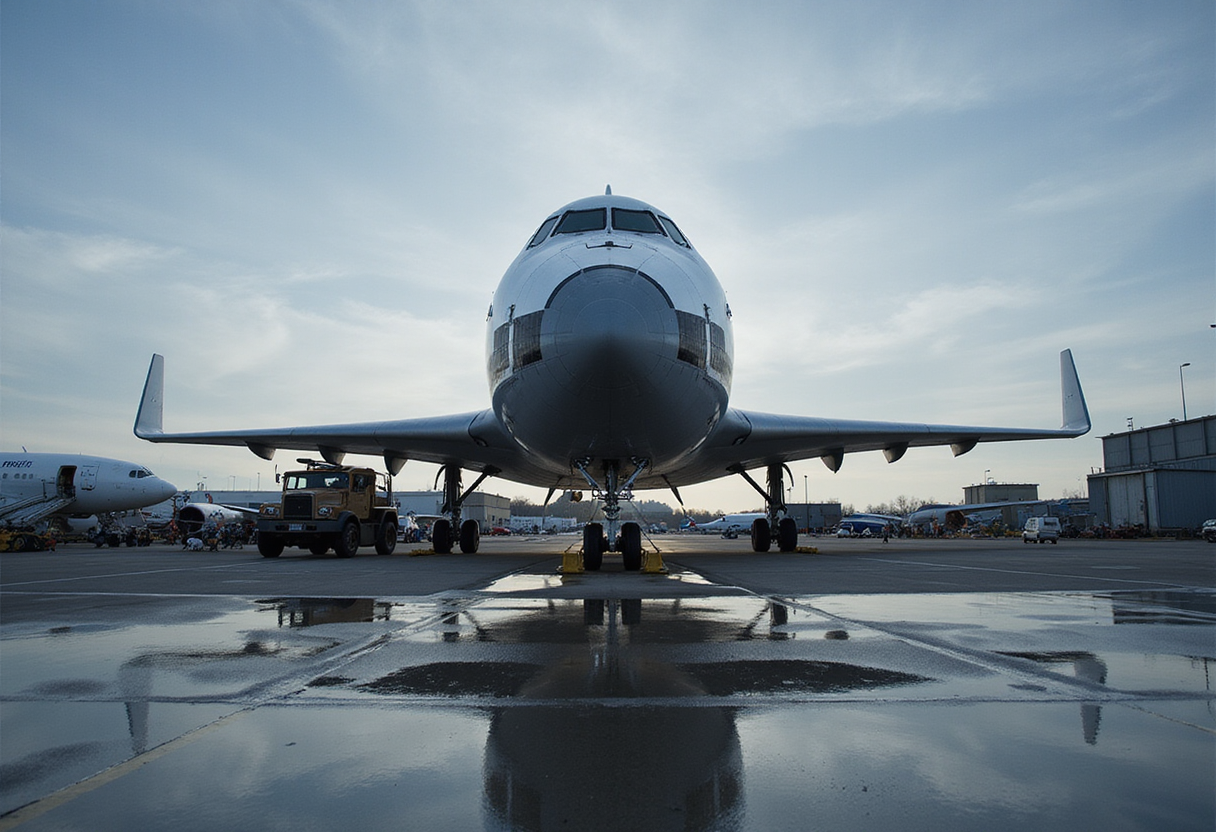
NASA is pouring extra money and engineering support into Boeing's troubled Starliner capsule, aiming to get the spacecraft flying again as quickly as possible after a 2024 test mission went so wrong that its two astronauts were stranded at the International Space Station for nearly a year.
The announcement came Monday from NASA Administrator Jared Isaacman, who said Boeing should be ready to launch a new and improved Starliner to the space station by December. That flight will carry cargo only — no crew. Astronauts will not strap in until 2028, because the spacecraft still needs safety redesigns that will take months, if not years, to complete.
NASA has since reclassified the botched 2024 mission as a "Type A mishap," the agency's most severe ranking for incidents that endanger crew.
Dana Weigel, NASA's program manager for the space station, stressed that everyone involved must be confident that all of Starliner's problems have been resolved before astronauts ride the capsule again. Among the many fixes planned: new valves and seals. The extra Starliner upgrades and new rocket certifications will cost NASA an additional $359 million, Weigel said.
"Bottom line: We're on the right path," said NASA astronaut Woody Hoburg, who will command the next Starliner flight with a crew.
Hoburg also paid tribute to Starliner's original test pilots, Butch Wilmore and Suni Williams, both now retired from the astronaut corps. He called them "American heroes" and said he is "deeply humbled to follow in their footsteps."
Why NASA wants a second ride to orbit
The agency's reasoning traces back to the retirement of the space shuttles. NASA has always wanted two U.S.-based means of ferrying astronauts to and from orbit, and it paid billions of dollars to both Boeing and SpaceX to develop that capability.
SpaceX got there first. In 2020, Elon Musk's company became the first private business to send astronauts to orbit. Since then it has become NASA's workhorse: SpaceX will launch its 14th crew for the agency later this week.
Boeing's path proved far rougher. After struggling through a pair of uncrewed Starliner test flights, the company finally flew Wilmore and Williams to the station in 2024. But the capsule's problems — serious enough that NASA judged it unsafe for the return trip — forced the two astronauts to hitch a ride home with SpaceX nine months later than planned.
That saga made Starliner a punchline. So why not simply cancel the program and shop elsewhere? Isaacman rejected that idea outright.
"We always were committed to seeing this through with Boeing," he said, "and now we're on a very good path."
A changing market strengthens the case
NASA's calculus also reflects SpaceX's own plans. The company intends to phase out its Falcon 9 rockets and Dragon capsules within a few years and shift its focus to Starship, the newer and far larger spacecraft that reached orbit for the first time on Monday.
That creates a looming gap. While the aging International Space Station is due to be abandoned and steered into a destructive plunge through the atmosphere by 2031, several private U.S. companies are building their own orbital outposts — and those stations will need reliable taxi service for crews and cargo.
SpaceX's Starship, designed with deep-space ambitions in mind, is too large to dock with such stations. Musk has made moon and Mars travel the company's overriding goals, leaving NASA without a guaranteed U.S. option for routine trips to low Earth orbit once Dragon retires.
A functioning Starliner would fill that hole.
A long road ahead
The timetable remains tentative. The December cargo flight depends on Boeing completing the planned upgrades on schedule, and the 2028 crewed mission assumes the safety redesigns — including work on the propulsion system components that plagued the last flight — pass NASA's review.
The stakes are high for Boeing, which has absorbed years of cost overruns and reputational damage on the program. They are equally high for NASA, which needs a second American spacecraft to avoid total dependence on a single provider whose flagship vehicle may soon move on to other destinations.
For now, the agency is betting that patience and $359 million more will turn Starliner from a liability back into the redundant ride it was always meant to be.
via Phys.org Space & Astronomy (Source)
More from Elena Vasquez
Nearby plates
- NASA Greenlights New Boeing Starliner Missions After Troubled Test Flight
- NASA and Boeing Map Starliner's Road Back to Crewed Flight
- NASA Picks Three New Payload Suites to Scout Its Future Moon Base
- Astronomers Mobilize as FY2027 Budget Request Threatens Science Funding
- Starship Reaches Orbit for the First Time and Deploys 26 Starlink Satellites