Recorded November 19, 2026
Earth & ClimateReported finding
A zero-waste economy could avoid 149 gigatonnes of CO2e by 2050
Research prepared for COP31 estimates that waste reduction, longer-lasting products and more efficient material use could avoid 149 billion tonnes of CO2e by 2050.
By Nathan Brooks3 min read601 words
In brief
- Research by Eunomia Research & Consulting and Shape Foundation estimates 149 GtCO2e in potential emissions savings by 2050.
- The scenario starts with meeting the COP31 Presidency’s 2035 targets.
- The report’s three steps are meeting 2035 targets, extending product longevity and using material-related emissions more effectively.
- The approach centers on reducing waste, reusing products and recycling materials.
- The report is being discussed at COP31 this week, with governments and high-profile leaders attending.
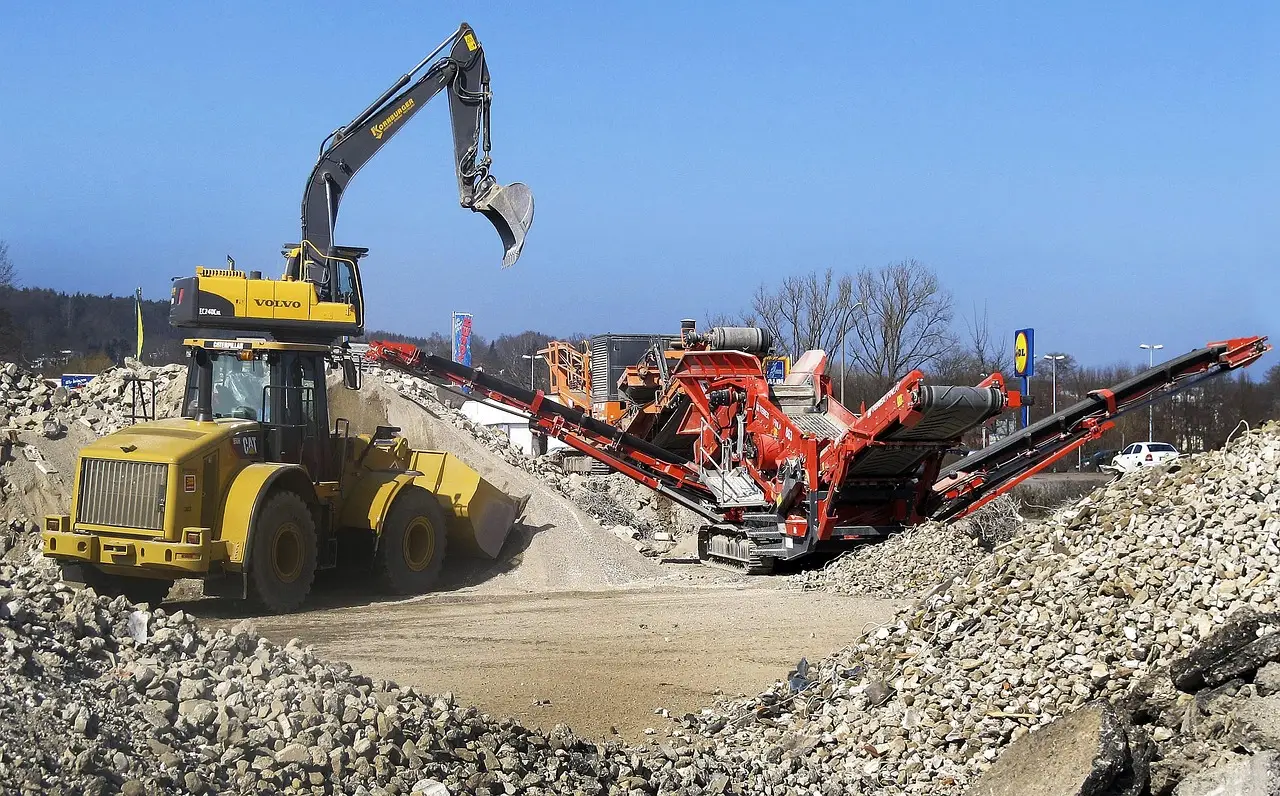
A zero-waste economy could avoid 149 billion metric tonnes of carbon dioxide equivalent by 2050, according to research prepared for COP31 by Eunomia Research & Consulting and the Shape Foundation. The estimate assumes the COP31 Presidency’s 2035 targets are met, followed by ambitious waste cuts and more efficient use of materials in buildings, vehicles and infrastructure.
The report is being discussed at COP31 this week, with high-profile leaders and governments in attendance. Its central proposition is straightforward: using better products for longer can prevent and manage waste.
What does the 149 gigatonnes estimate represent?
The 149 GtCO₂e figure means 149 billion metric tonnes of carbon dioxide equivalent, a measure that expresses different greenhouse gases in the warming terms of CO₂. It represents potential savings by 2050, not a reduction already achieved or a guaranteed outcome.
The scenario combines two levers: meeting the COP31 Presidency’s 2035 targets and reducing demand for new material through waste prevention and longer product life. Its proposed savings also come from using material more effectively across buildings, infrastructure, vehicles and machinery.
How could reducing waste cut emissions?
The report organizes the pathway into three steps:
- Meet the 2035 targets. The route starts with the COP31 Presidency’s 2035 targets.
- Extend product longevity. Longer-lasting everyday products mean less waste from replacement.
- Use material-related emissions more effectively. The report links additional savings to better use of the greenhouse-gas emissions associated with materials in buildings, infrastructure, vehicles and machinery.
These steps rest on reducing waste, reusing products and recycling materials. Reduction avoids waste at the outset; reuse keeps a product serving people for longer; recycling recovers material after use. The report also emphasizes better products, because a longer useful life can reduce replacement demand and make waste easier to manage.
Why do waste measures rarely appear in climate plans?
The report states:
“Whatever the context, these practices give people more use from less material. Yet because their climate benefits are not counted, they rarely feature in national climate mitigation or finance plans.”
National climate mitigation plans set out emissions-reduction actions, while finance plans direct money. By leaving waste benefits uncounted, the report says, countries give these practices less policy and financial support.
It puts the policy gap plainly:
“This means that they are left at the margins, unsupported, despite offering huge untapped potential. Were they to be recognised as climate solutions, they could be supported to grow, building a material system that works for people and planet.”
What could COP31 discussion change?
The report argues that recognizing reduce, reuse and recycle as climate solutions could support their growth and build a material system that works for people and the planet. That would require their benefits to enter national mitigation and finance plans, rather than remain uncounted.
COP31 hosts the discussion this week, but the source reports no government commitment. What happens next depends on whether attending governments and leaders carry the approach into national planning and finance.
How firm is the 149 gigatonnes estimate?
The source presents the number as a conditional result: waste cuts and efficient material use “could” avoid 149 GtCO₂e by 2050. The published item gives no sector-by-sector breakdown, cost estimate, country allocation, implementation timetable or confidence range.
It also does not identify an agreement or policy adopted at COP31. Those omissions limit how precisely readers can judge delivery, financing and policy feasibility, although the finding identifies a large conditional opportunity.
Actual reductions would depend on meeting the 2035 targets, extending product life and getting reuse and recycling into national climate mitigation and finance plans.
via energylivenews.com (Source)
More from Nathan Brooks
Show full bio
Market editor covering companies, deals and strategy in general science news at SciBeat.
590 articles
Nearby plates
- Global carbon emissions may have peaked in 2026, report says
- 350.org urges rejection of COP31 draft over fossil fuel gaps
- EU-ETS1 sectors could emit 33-68 million tons of CO₂ in 2050
- COP31 Launches 35-by-35 Pledge to Electrify the World Economy
- Global Fossil CO₂ Emissions Set to Fall 0.4% in 2026, Report Says