Plate Nº 70 · recorded November 17, 2026
Earth & ClimateReported finding
COP31 Launches 35-by-35 Pledge to Electrify the World Economy
COP31 leaders in Antalya launched a pledge to lift electricity to 35% of global energy use by 2035, as fuel importers absorbed $330 billion in extra costs in six months.
By Marcus Bennett4 min read723 words
In brief
- COP31 launched the 35-by-35 pledge on November 10, 2026, in Antalya, Türkiye, to raise electricity's share of global final energy use from ~23% to 35% by 2035.
- Fuel-importing countries incurred about $330 billion in additional costs between March and August.
- 90% of large renewable projects are now cheaper than fossil fuel alternatives, per IRENA figures cited by UNFCCC's Simon Stiell.
- 180 companies with nearly $1.7 trillion in combined revenues are urging governments to back electrification.
- The World Food Programme warned a strong El Niño could push about 50 million more people into acute hunger.
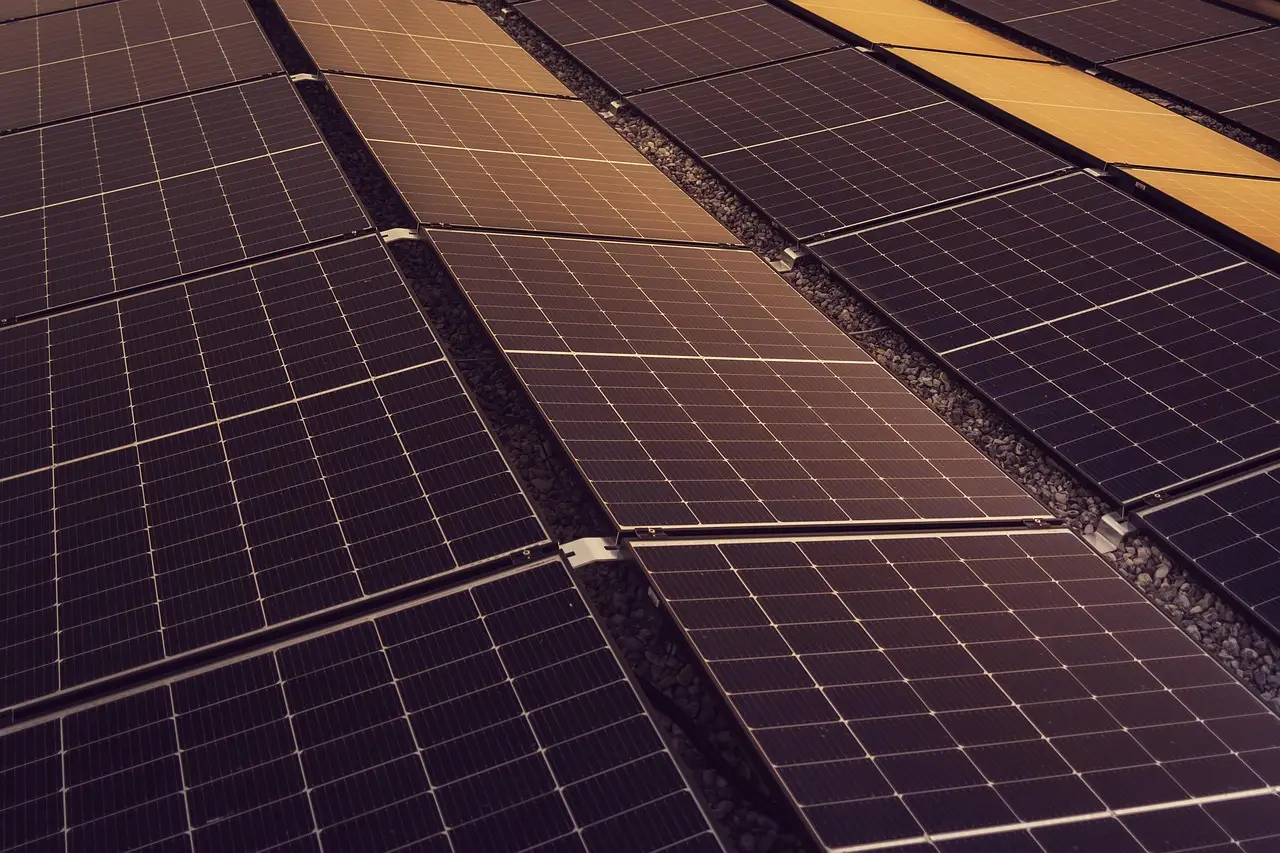
The COP31 Presidency has launched a global pledge to raise electricity's share of world final energy consumption from roughly 23 per cent to 35 per cent by 2035. Murat Kurum, COP31 President, announced the "35-by-35 Global Electrification Pledge" at a joint press conference in Antalya, Türkiye, on November 10, 2026, alongside Chris Bowen, COP31 President of Negotiations, and Simon Stiell, Executive Secretary of the UN Framework Convention on Climate Change (UNFCCC).
The urgency behind the pledge has a price tag. Kurum disclosed that fuel-importing countries incurred about $330 billion in additional costs between March and August, as price volatility and supply disruptions exposed the vulnerability of economies dependent on imported fuels. Türkiye itself is pursuing greater energy independence through electrification, he said.
What does the 35-by-35 target require?
Bowen, who co-leads the presidency with Türkiye in what he called an "integrated operation" with Australia, framed the target as ambitious but necessary. He laid out the trajectory:
- Electricity made up 17 per cent of global final energy consumption in 2005.
- That figure reached 19 per cent in 2015.
- It stands at about 23 per cent today.
- Hitting 35 per cent by 2035 demands more than a fourfold increase in the current rate of electrification.
"The world had no chance of keeping global warming within 1.5°C without a significant acceleration of electrification," Bowen warned. The COP31 Presidency is consulting countries on writing electrification into the conference's final decision and is encouraging governments to sign the global pledge. The initiative targets wider use of electricity in transport, buildings and industry.
Why keep the 1.5°C goal alive?
Kurum said the conference aims to translate climate commitments into practical action, and he insisted the world must not abandon the 1.5°C temperature goal despite the growing risk of temporarily exceeding it. A strong El Niño could compound existing climate and food security pressures: Kurum cited a World Food Programme warning that the event could push about 50 million additional people into acute hunger.
Even a brief overshoot of 1.5°C, he said, could cause irreversible loss and damage. He urged governments to act quickly to limit temperature rises, minimise the extent and duration of any overshoot, and bring warming back below the threshold. The presidency intends to push a decision addressing this challenge while placing adaptation and loss and damage at the centre of the climate agenda, strengthening resilience from oceans to cities, and convening a special ministerial meeting on the second Global Stocktake.
How cheap is clean electricity now?
Stiell supplied the economics. Citing figures from the International Renewable Energy Agency (IRENA), he said 90 per cent of large renewable energy projects are now cheaper than fossil fuel alternatives. Renewable energy has also overtaken coal in global electricity generation, although the transition remains uneven, and many countries still need support to expand deployment.
Existing technologies, he added, can already electrify up to 75 per cent of global energy demand. His call: deploy those technologies faster and extend electricity access to more communities and countries.
Business is adding pressure from the other side. Stiell said 180 companies with combined revenues of nearly $1.7 trillion are urging governments to seize the economic opportunities electrification offers. He encouraged governments, businesses, cities and states to back the 35-by-35 target.
What is different about this COP?
COP31 is adopting a different approach, according to Stiell, by emphasising practical solutions that help countries implement global commitments and national climate plans. The work will run through two complementary tracks: formal negotiations and the Global Climate Action Agenda.
Bowen placed the summit against a backdrop of overlapping crises — rising living costs, energy market instability, surging electricity demand from artificial intelligence, and worsening climate impacts — and stressed that international cooperation remains essential. He expressed confidence the Australia-Türkiye partnership would show how innovative arrangements can strengthen multilateral cooperation and deliver results.
Kurum noted that the swift adoption of the conference agenda, and the backing of former COP presidents for the COP31 Action Agenda, signal an implementation-focused summit. Stiell acknowledged that addressing climate change requires sustained effort, but said accelerating available solutions offers a route to faster progress at COP31.
The message from Antalya: the technology is ready and the economics already favour it — the remaining variable is speed.
via environewsnigeria.com (Source)
More from Marcus Bennett
Show full bio
News editor covering regulation, policy and their impact on general science news at SciBeat.
493 articles
Nearby plates
- Nigerian Group Slams COP31 Electrification Pledge as Toothless
- Ministers Press Türkiye and Australia to Advance Fossil Fuel Exit Roadmap
- Carbon markets could fund climate adaptation, but barriers remain
- COP31 Week Two Opens With Finance and Fossil Fuel Deadlocks Unresolved
- COP31 Draft Under Fire: $120bn Finance Plan Falls Far Short