Plate Nº 73 · recorded October 30, 2026
Health & Medicine ResearchReported finding
Antibodies illuminate a 30-year inflammatory bowel disease mystery
About 3.5% of people with inflammatory bowel disease had elevated IL-10-blocking antibodies, a finding that may explain severe disease in a genetically defined subgroup.
By Priya Raman5 min read992 words
In brief
- The study examined more than 4,900 people with IBD.
- About 3.5% had elevated IL-10-neutralizing antibodies; none were found in healthy individuals.
- Researchers estimate 15,000 to 20,000 UK patients may carry the antibodies.
- HLA-DRB1*01:03 was linked to severe IBD about 30 years ago.
- The paper appeared in NEJM in 2026, volume 394(22), page 2212.
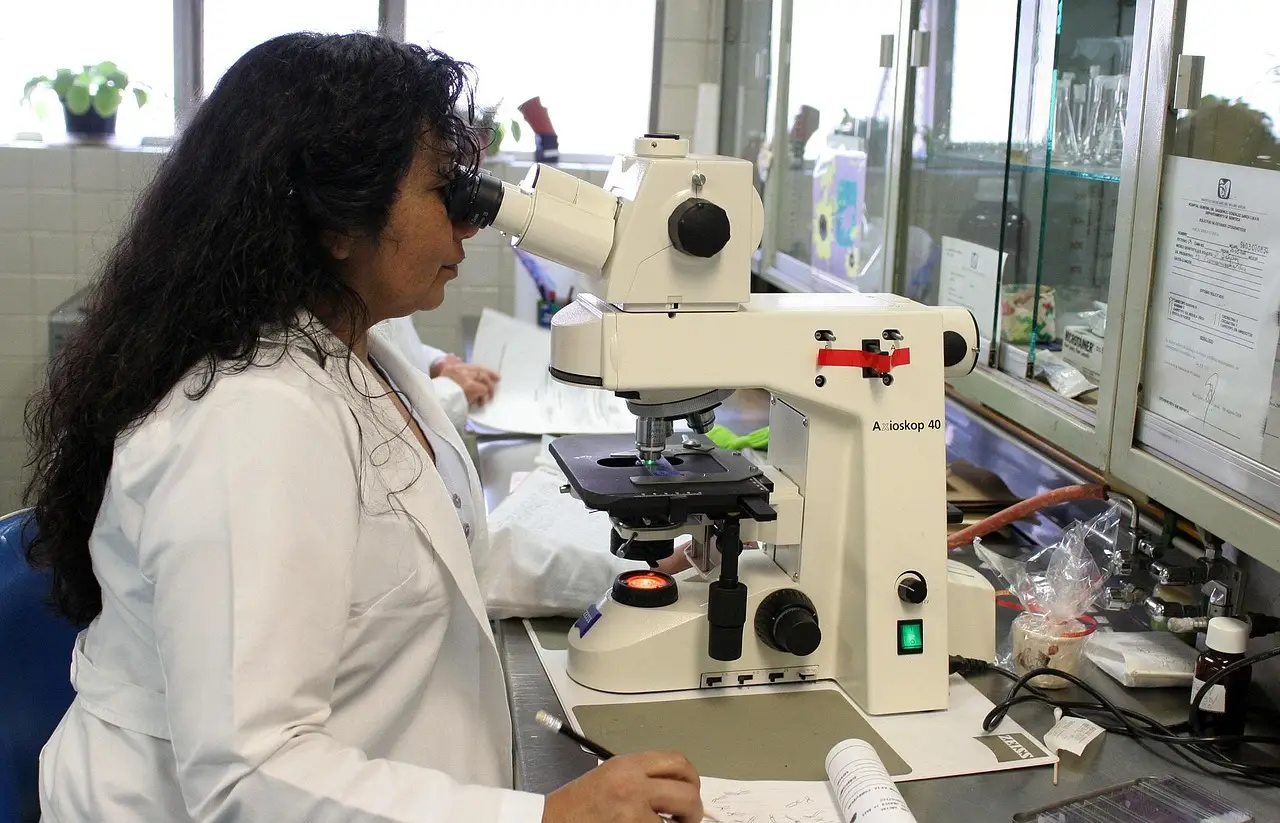
About 3.5% of people with inflammatory bowel disease had elevated levels of antibodies that neutralize interleukin-10, according to a study of more than 4,900 patients. Researchers estimate that 15,000 to 20,000 people in the UK may carry these antibodies.
What did the study find?
- Some patients produced autoantibodies, or antibodies directed against the body's own proteins, that block interleukin-10 (IL-10), a chemical messenger which limits excessive inflammation.
- Their immune reaction against a protein made by the body helps explain how HLA-DRB1*01:03, one of the strongest known genetic risk factors, contributes to severe intestinal inflammation.
The results appeared in The New England Journal of Medicine in a paper by Nima Gharahdaghi and colleagues. Researchers from the University of Oxford, Newcastle University and Cambridge University Hospitals NHS Foundation Trust conducted the study.
Elevated antibody levels appeared in people with both Crohn's disease and ulcerative colitis, but not in healthy individuals.
By blocking IL-10, these antibodies disable one of the immune system's built-in safeguards. The result resembles a vehicle with its brake disabled: inflammation can persist and become difficult to control.
How did a 30-year genetic mystery fit?
HLA-DRB1*01:03 is a genetic variant, meaning an inherited DNA difference. Oxford scientists first linked it to a severe form of IBD 30 years ago, but the biological process remained unclear. Carriers are substantially more likely to produce IL-10-blocking antibodies, supplying a plausible mechanism for their increased risk.
Professor Holm Uhlig, a pediatric gastroenterologist and director of Oxford's Centre for Human Genetics in the Nuffield Department of Medicine, was a senior author.
We've suspected an important role for interleukin 10 in patients with inflammatory bowel disease for decades. The study now provides clear evidence and contributes the missing link between a well-known genetic variant that had been linked to severe inflammatory bowel disease in the past and the very recently discovered autoimmunity to interleukin 10.
Understanding what drives the inflammation, provides a clear explanation for disease in this group of people and opens the door to new treatments that target the autoantibodies themselves or cells that produce those autoantibodies.
Why does this matter for people with IBD?
IBD is an umbrella term for Crohn's disease and ulcerative colitis, chronic conditions affecting about 500,000 people in the UK and millions worldwide. Symptoms often begin in adolescence or early adulthood, and patients may face lifelong medical challenges, repeated hospital visits, immune-suppressing medicines and sometimes surgery.
Many try several therapies without lasting relief, imposing a substantial burden on patients and significant costs for healthcare systems. The findings indicate that IBD appears to include several biologically distinct conditions arising through different processes, which could support more tailored diagnoses and treatments.
What did rare inherited disorders reveal?
More than a decade of work on rare inherited disorders of inflammation guided the investigation. Genetic defects in IL-10 or the protein that receives its signal had been found in young children with severe IBD; later, researchers recognized that neutralizing autoantibodies produced similar effects in two girls with colitis.
Professor Sophie Hambleton, professor of pediatrics and immunology at Newcastle University, said:
This discovery shows how the study of rare, inherited disorders can shed new light on common conditions.
The groundwork was laid over 10 years ago when genetic defects in IL-10 or its receptor were found in young children with severe IBD. Later, we realized that neutralizing autoantibodies against IL-10 were mimicking this effect in 2 little girls with colitis.
These clues helped the team test whether antibodies could mimic inherited faults in a much larger group.
Could a blood test lead to more targeted treatment?
The researchers view the results as a foundation for a blood test that identifies people whose disease is associated with IL-10 antibodies. Earlier recognition could help doctors select treatments aimed at the underlying immune malfunction, although neither the test nor a new therapy has yet been established.
One strategy would target the antibodies or the immune cells that produce them, potentially reducing repeated therapies, admissions, surgery and the need for ongoing immune suppression.
Dr Rainer Doffinger, a clinical immunologist at Cambridge University Hospitals NHS Foundation Trust, assessed the possible clinical and economic effects of earlier, targeted treatment:
By identifying patients early and giving them targeted treatment, we could reduce reliance on expensive ongoing therapy and prevent complications.
Even modest reductions in biologic treatment, admissions and surgery could translate into savings of many millions of pounds annually for the NHS, alongside the major benefits for patients through fewer interventions, improved quality of life or even durable remission.
Here, biologic treatment means an immune-targeted medicine.
Professor Simon Travis, professor of clinical gastroenterology at Oxford and the Kennedy Institute of Rheumatology, said:
This is the most exciting discovery in a lifetime specialising in IBD. It means that we can now identify a group where we know what is causing the disease and that creates a real opportunity to change how we manage this disease.
Personalized care could eventually rely on biological tests rather than symptoms alone to identify what drives each patient's inflammation. The mechanism applies to the subgroup with elevated neutralizing antibodies, not to every form of IBD.
The study, “Interleukin-10 Autoantibodies and HLA-DRB1*01:03 in Inflammatory Bowel Disease,” appeared in The New England Journal of Medicine, volume 394, issue 22, page 2212, in 2026. Its DOI is 10.1056/NEJMoa2513654. The University of Oxford released the results on October 26, 2026.
Work involved Oxford's Nuffield Department of Medicine, Newcastle University's Translational and Clinical Research Institute and Cambridge University Hospitals' Department of Immunology. The National Institute for Health and Care Research Biomedical Research Centres in Oxford, Cambridge and Newcastle provided funding.
The immediate advance is a biological explanation; the next test is whether it becomes a more precise way to treat thousands of patients.
via dx.doi.org (Original)
More from Priya Raman
Show full bio
Senior reporter covering people, launches and day-to-day practice in general science news at SciBeat.
280 articles
Nearby plates
- Blood antibodies may signal bowel disease up to a decade early
- Stiff Gut Tissue, Not Inflammation, May Drive IBD Pain
- Hidden Cell Death Signal Linked to IBD Relapses, Study Finds
- IBD food reactions may stem from gut bacteria loss, study finds
- Computer-Designed Protein Targets Immune Receptor at New 'Undruggable' Site