Plate Nº 62 · recorded September 29, 2026
Health & Medicine ResearchReported finding
Aspirin Falls Short in Preventing Liver Metastasis Recurrence
A phase 3 trial of 428 patients in Scandinavia found aspirin did not reduce recurrence or death after liver metastasis treatment, and it raised serious side effects.
By James Calloway3 min read630 words
In brief
- Aspirin (160 mg daily) did not improve disease-free survival after curative treatment of colorectal liver metastases in a 428-patient phase 3 trial across 14 hospitals in Norway, Sweden and Denmark.
- After three years, 76% of aspirin patients were alive versus 85% on placebo, but survival was a secondary outcome and the result requires cautious interpretation.
- Serious adverse events affected 8% of the aspirin group compared with 2% of the placebo group; no deaths were attributed to the treatment.
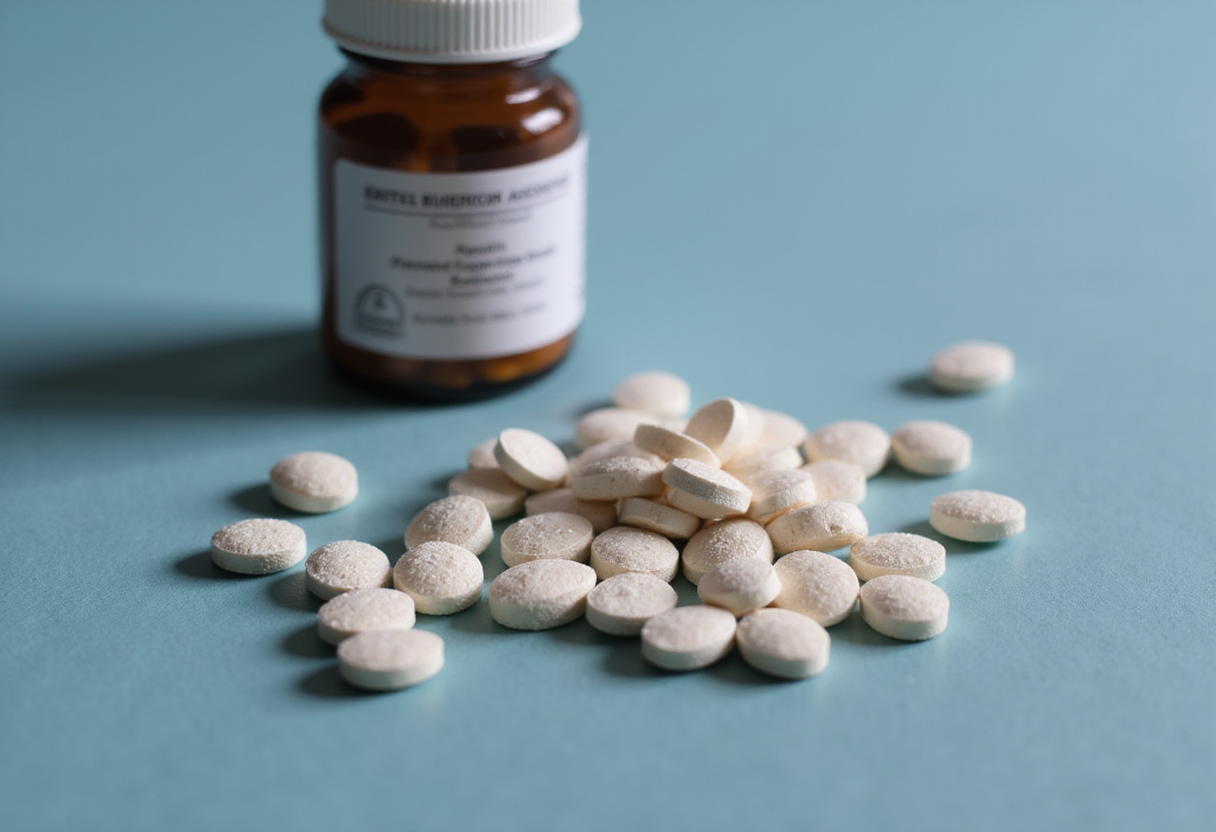
Aspirin did not prevent cancer from returning in patients treated for liver metastases from colon and rectal cancer, according to a large Scandinavian trial. The drug also caused more serious adverse events than a placebo.
The study, published in The Lancet Gastroenterology & Hepatology, included 428 patients at 14 specialist hospitals in Norway, Sweden and Denmark. Researchers at Karolinska Institutet led the effort, with Sheraz Yaqub, professor at Oslo University Hospital, serving as principal investigator.
Colon and rectal cancer often spread to the liver. In some patients, surgeons can remove these secondary tumors, known as metastases, or destroy them with local treatment, aiming for a cure. Even so, the cancer frequently comes back. Because earlier research suggested aspirin might lower recurrence risk after surgery for the original bowel tumor, the researchers wanted to test whether the inexpensive drug could help this specific group too.
The answer, it turned out, was no.
A rigorous test
After finishing treatment for their liver metastases, participants were randomly assigned to take either 160 milligrams of aspirin or a placebo — a tablet with no active substance — every day for up to three years. Neither the patients nor the researchers knew who received which treatment, a design that guards against bias. Doctors call this a double-blind, placebo-controlled trial, and it is considered the most reliable way to test whether a drug truly works.
The researchers tracked disease-free survival, meaning the length of time until the cancer returned or the patient died. Aspirin produced no improvement on this measure compared with the placebo.
"Unlike the important findings from the ALASCCA study last year, the results of this study do not support the routine use of aspirin after curative-intent treatment of liver metastases from colon and rectal cancer," says Ernesto Sparrelid, adjunct professor at the Department of Clinical Science, Intervention and Technology at Karolinska Institutet.
A survival signal, but an uncertain one
After three years, 76% of patients in the aspirin group were alive, compared with 85% of those in the placebo group. At first glance, that gap might seem alarming. But the researchers caution against reading too much into it.
Survival was a secondary outcome — a question the study monitored but was not primarily designed to answer. The trial lacked the statistical power to settle whether aspirin truly affects survival in this population. The result should therefore be interpreted with caution.
More side effects, no benefit
Serious adverse events were also more common among patients taking aspirin. Such events occurred in 8% of the aspirin group and 2% of the placebo group. No deaths were judged to have been caused by the study treatment.
"Although aspirin has been shown to reduce recurrence rates in patients who have undergone surgery for a primary tumor in the colon or rectum, its effects still need to be evaluated in the specific patient group for which it is intended, in this case patients with colorectal cancer that has spread to the liver," Sparrelid says. "We found no clear benefit in this group, while serious adverse events were more common."
The finding illustrates a common lesson in cancer medicine: a drug that works in one setting cannot be assumed to work in another, even when the underlying disease is the same. Patients whose cancer has spread to the liver may respond differently than those whose tumors are confined to the bowel.
The study, named ASAC, was a multicentre, phase 3, randomised, double-blind, placebo-controlled trial — the final stage of testing before results can inform routine clinical practice. Its publication details: Sheraz Yaqub et al., The Lancet Gastroenterology & Hepatology (2026), DOI: 10.1016/s2468-1253(26)00260-8.
For now, the evidence says aspirin should not be part of standard follow-up care after surgery for colorectal liver metastases.
via Medical Xpress (Source)
More from James Calloway
Nearby plates
- Same-Day Chemotherapy Turns Into a Booster for Cancer Vaccines
- FDA Urges Drug Makers to Release Data From Thousands of Unpublished Trials
- Amylin Drug Petrelintide Delivers Over 10% Weight Loss
- Triple-Action Drug Retatrutide Delivers Major Weight Loss in Type 2 Diabetes
- Alzheimer's Drug Developers Accuse Trial Sites of Faking Data