Plate Nº 59 · recorded September 30, 2026
Biology & EvolutionReported finding
Bacteria Boost Plant Protein: Fermentation Multiplies Lysine 3.4-Fold
Danish researchers used two bacteria in sequence to multiply lysine levels in faba beans and rapeseed, making plant proteins more complete and potentially cutting nitrogen pollution from feed.
By Nathan Brooks4 min read705 words
In brief
- Two-stage fermentation with Bacillus subtilis subsp. natto and Corynebacterium glutamicum increased lysine 3.4-fold in faba beans and 3.6-fold in rapeseed press cake.
- Enriched materials contained 37.5 and 29 grams of lysine per kilogram of dry matter respectively.
- The work is part of the NextOrganic project on animal feed; the technology also shows promise for plant-based human foods and for reducing nitrogen pollution from overfed livestock.
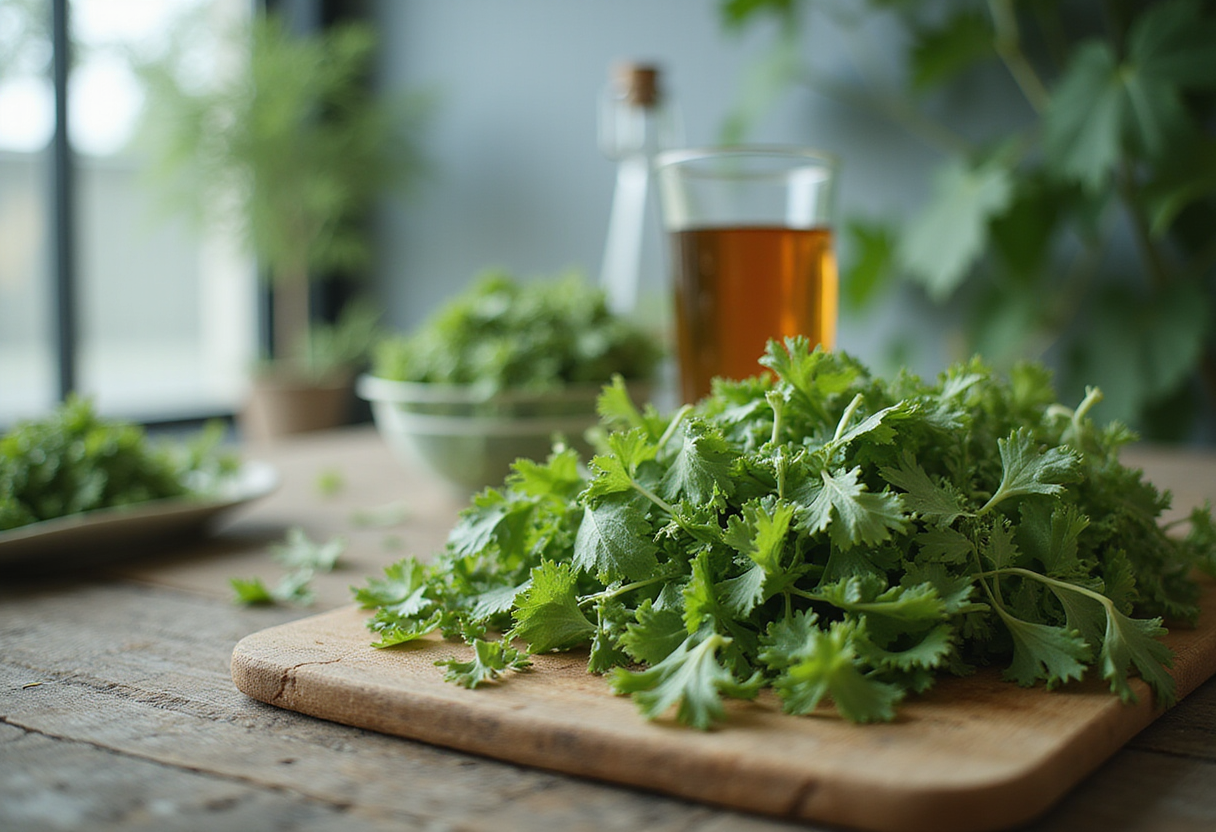
A team from the DTU National Food Institute and Aarhus University has shown that bacteria can rebuild the nutritional profile of plant-based foods. Using a two-step fermentation process, the researchers increased the content of the essential amino acid lysine by 3.4-fold in faba beans and 3.6-fold in rapeseed press cake.
After fermentation, the two materials contained 37.5 and 29 grams of lysine per kilogram of dry matter, respectively. The study, led by Belay Tilahun Tadesse and colleagues, appears in the Journal of Agricultural and Food Chemistry (2026).
Why lysine matters
Proteins consist of building blocks called amino acids. Nine of them are "essential": the human body cannot make them, so they must come from food. A protein counts as complete only when it supplies all nine in sufficient amounts. Many plant proteins fall short in one or more of these amino acids, which limits their value as a sole protein source.
"Plant proteins do not contain the right amino acids in sufficient quantities to be an ideal source of nutrition for humans. Our solution is to use microorganisms to enrich plant-based foods with essential amino acids and important vitamins," says associate professor Christian Solem of the DTU National Food Institute.
A two-stage fermentation
The process works in two stages. First, the researchers treated faba beans and rapeseed press cake with a bacterium called Bacillus subtilis subsp. natto. This microbe partially breaks down plant proteins into smaller components and releases various nitrogen-containing compounds.
Then the team added a second microorganism, Corynebacterium glutamicum, which feeds on those nitrogen sources and produces lysine. Lysine is one of the nine essential amino acids that humans must obtain through their diet.
The partial breakdown of proteins brings a second benefit: it makes plant proteins easier to digest. That matters because many crops contain antinutrients — compounds that interfere with the body's ability to absorb nutrients from plant-based foods.
"The interesting thing is that we can use microorganisms to improve the amino acid profile of plant-based ingredients while also making plant proteins easier to digest by partially breaking them down," Solem explains. The group has demonstrated the principle with lysine and expects to have solutions ready soon for two additional essential amino acids.
Feed first, food next
The results come out of the NextOrganic project, which focuses on animal feed, but the researchers say the same technology can improve plant-based foods for human consumption. They mainly worked with faba beans and rapeseed press cake — the protein-rich material left after oil is pressed from rapeseed — because both crops are produced in large volumes in Denmark and the rest of Northern Europe. Both can replace imported soy in animal feed, and the technology has also proven effective with other crops.
The approach could help in pig and poultry farming. When feed lacks essential amino acids, animals grow more slowly and get sick more easily. Farmers typically respond by overfeeding protein or adding fermentation-produced amino acids to the ration.
"In organic pig and poultry production, it is not permitted to add synthetic amino acids to the feed, so overfeeding with protein is the only option. If the animals are given more protein than they can utilize, they excrete more nitrogen via urine and feces, which places a strain on the environment," says Jan Værum Nørgaard, professor at the Department of Animal and Veterinary Sciences at Aarhus University.
Improving the protein composition of feed could therefore cut both feed waste and nitrogen pollution.
Broader prospects, with caveats
The researchers believe the method could eventually help alleviate malnutrition in low-income countries, where diets heavily based on plants sometimes fail to deliver enough essential amino acids. In practice, the technique could extract greater nutritional value from the same quantity of plant-based food or feed.
For now, the published work covers only lysine enrichment in specific crops, and solutions for other essential amino acids are still in development. How the fermented ingredients perform in large-scale feed and food production remains to be tested. Still, the study demonstrates a simple, adaptable fermentation route to a problem that has long limited the value of plant protein — for livestock and for people alike.
via Phys.org Biology (Source)