Plate Nº 79 · recorded November 13, 2026
Health & Medicine ResearchReported finding
Blood Thinner Dabigatran Shows Unexpected Promise Against Arthritis
A Yale-led study screened 980 approved drugs and found dabigatran, a common blood thinner, protected joint tissue in arthritic mice and monkeys — but human evidence and safety trials are still ahead.
By Nathan Brooks3 min read547 words
In brief
- Yale-led researchers screened 980 already-approved drugs for anti-arthritis potential
- Dabigatran improved joint tissue, walking and pain behavior in mice and macaque monkeys with surgically induced osteoarthritis
- Results appeared in Science Translational Medicine
- No human trials have shown the drug slows arthritis in patients
- Bleeding risk from the drug's blood-thinning action remains a major safety concern
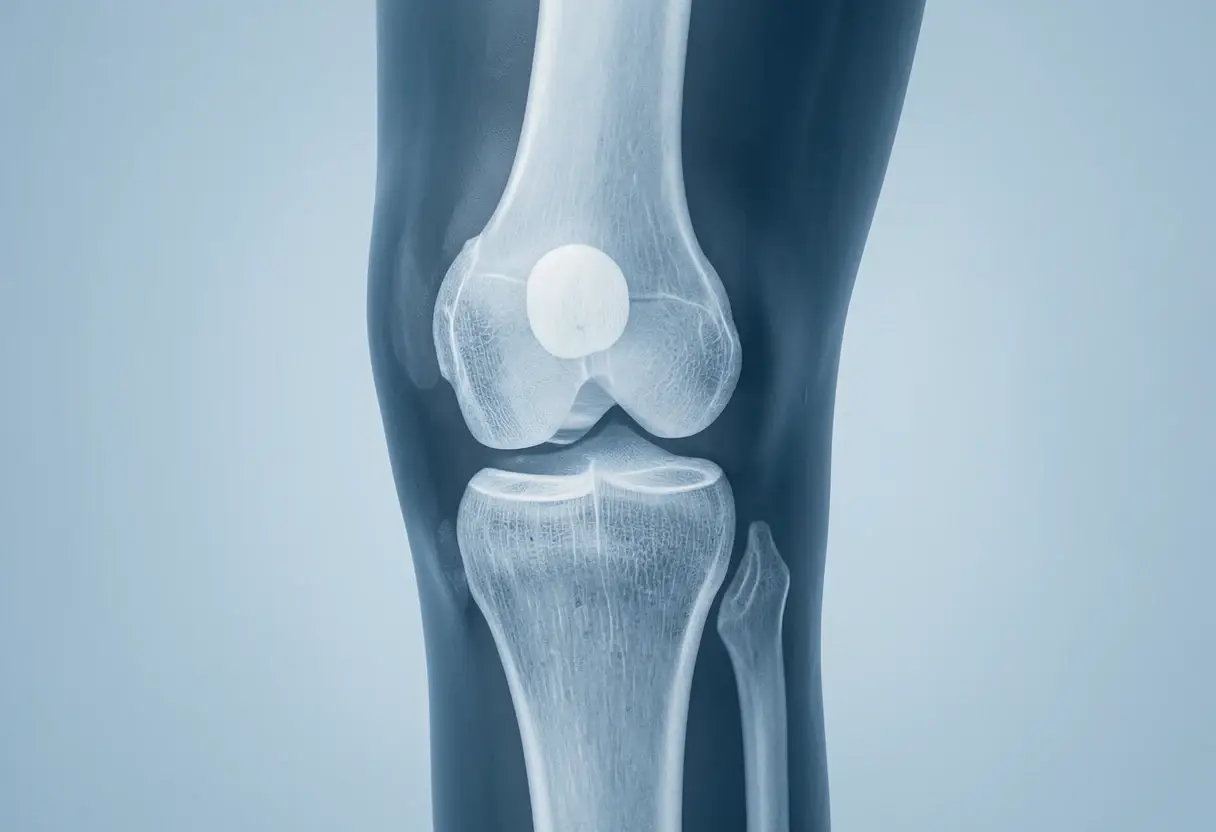
A blood thinner already prescribed to prevent clots may one day slow the joint damage of osteoarthritis — but only in mice and monkeys so far. A Yale University–led study, published in Science Translational Medicine, tested 980 already-approved medicines before landing on dabigatran as a standout candidate.
The finding matters because osteoarthritis currently has no drug that stops or reverses the underlying damage. Patients manage symptoms with exercise, weight management, pain relief and, in severe cases, joint replacement surgery — roughly a toolkit for coping, not curing.
What did the researchers actually find?
The team screened 980 approved drugs rather than building a new compound from scratch, looking for ones that could reduce the chronic inflammation tied to osteoarthritis. Dabigatran, normally used to help prevent dangerous blood clots in heart and stroke patients, rose to the top of the list.
Laboratory work suggested it can interrupt harmful messages passed between cells in damaged joints. In animals — mice and macaque monkeys with surgically induced osteoarthritis — treated subjects showed healthier joint tissue than untreated ones. The monkeys walked better; the mice showed less pain-related behavior.
How might a clot drug protect cartilage?
To understand the result, it helps to picture a healthy joint: a slippery layer called cartilage lets bones glide without rubbing. In osteoarthritis, that layer wears down, and everyday movements such as walking or climbing stairs become painful.
Further experiments in the study suggested dabigatran acts on a cell protein that controls how cells receive inflammatory messages. That mechanism may explain why the drug reduced joint inflammation even though nobody designed it as an arthritis medicine.
What are the catches?
Plenty, and the researchers are upfront about them.
- The animals had joint damage created by surgery for the experiment. That doesn't fully reflect how osteoarthritis develops in humans, which can happen in many different ways.
- No one has yet shown that dabigatran slows arthritis in people. Human trials haven't happened.
- The drug's core job — thinning blood — creates a real bleeding risk, and bleeding can be dangerous.
The study's own framing is cautious. The authors describe the work as a useful clue about arthritis biology and a possible starting point for future medicines, not a reason to prescribe dabigatran for joint pain today.
Why repurposing old drugs matters
Screening medicines that regulators have already approved has a practical advantage: researchers skip the earliest, most expensive years of drug development, because safety and dosing data already exist for other conditions.
In this case, the payoff was a mechanistic surprise. A drug tuned for one job — clot prevention — appears to interfere with an inflammatory signaling protein in joints. That gives scientists a new target to study, even if dabigatran itself never becomes an arthritis treatment.
What would have to happen next?
Carefully designed human trials and dedicated safety studies would need to come first, because the bleeding risk doesn't disappear just because the target disease changed. Any change in treatment guidance would follow only after that evidence lands.
For now, the takeaway for patients is simple: don't ask for a blood thinner to treat knee pain. The exciting part is what the result reveals about how joint inflammation works — and the possibility that a 980-drug search turned up a lead worth chasing.
via knowridge.com (Source)
More from Nathan Brooks
Show full bio
Market editor covering companies, deals and strategy in general science news at SciBeat.
352 articles
Nearby plates
- Epilepsy Drug Lacosamide May Reverse Osteoarthritis Cartilage Damage
- High blood pressure accelerates osteoarthritis via hormone pathway
- Eli Lilly's Next-Generation Obesity Drug Cuts Weight and Eases Knee Pain in Phase 3 Trial
- Exercise May Protect Aging Joints Through microRNA-29
- Pausing Arthritis Drugs After COVID Booster Doubles Flare Risk